

A Taste of Córdoba: Exploring Artisanal Charcuterie and Cheese in Argentina

Argentina is often celebrated for its beef, wine, and asado culture, but tucked among the rolling sierras and fertile valleys of Córdoba lies another culinary treasure: artisanal charcuterie and cheese.

With a strong European influence, particularly from Italian and Spanish immigrants, Córdoba has developed a reputation for producing some of the country's finest cured meats and dairy products. From family-run establishments in the Sierras Chicas to renowned producers in the Calamuchita Valley, the province offers a rich gastronomic heritage that reflects generations of craftsmanship.

The Tradition of Charcuterie in Córdoba

Córdoba's cooler mountain climate provides ideal conditions for curing meats. Local producers have perfected traditional techniques passed down through generations, creating products that are deeply rooted in the region's culture.

Among the most popular are:

  • Salame casero (traditional country salami)

  • Bondiola (cured pork neck)

  • Longaniza (seasoned cured sausage)

  • Jamón crudo (dry-cured ham)

  • Chorizo seco (dry-cured sausage)

Many small producers continue to use natural curing methods, carefully balancing time, temperature, and humidity to achieve distinctive flavors and textures.

One of the most celebrated destinations for charcuterie lovers is the Calamuchita Valley, where visitors can sample locally made salami and cured meats while enjoying the stunning mountain scenery.

Córdoba's Artisanal Cheese Culture

Alongside its charcuterie traditions, Córdoba is home to a thriving cheese-making industry. The province's dairy farms produce high-quality milk that serves as the foundation for a wide variety of cheeses.

Popular varieties include:

  • Semi-hard cheeses similar to Tybo and Danbo

  • Mild, creamy cheeses ideal for everyday use

  • Aged cheeses with nutty, complex flavors

  • Goat cheeses produced by small-scale artisan makers

  • Smoked cheeses inspired by European traditions

Many cheese producers focus on traditional methods, emphasizing quality over volume and allowing the character of the local milk to shine through.

Creating the Perfect Córdoba-Inspired Charcuterie Board

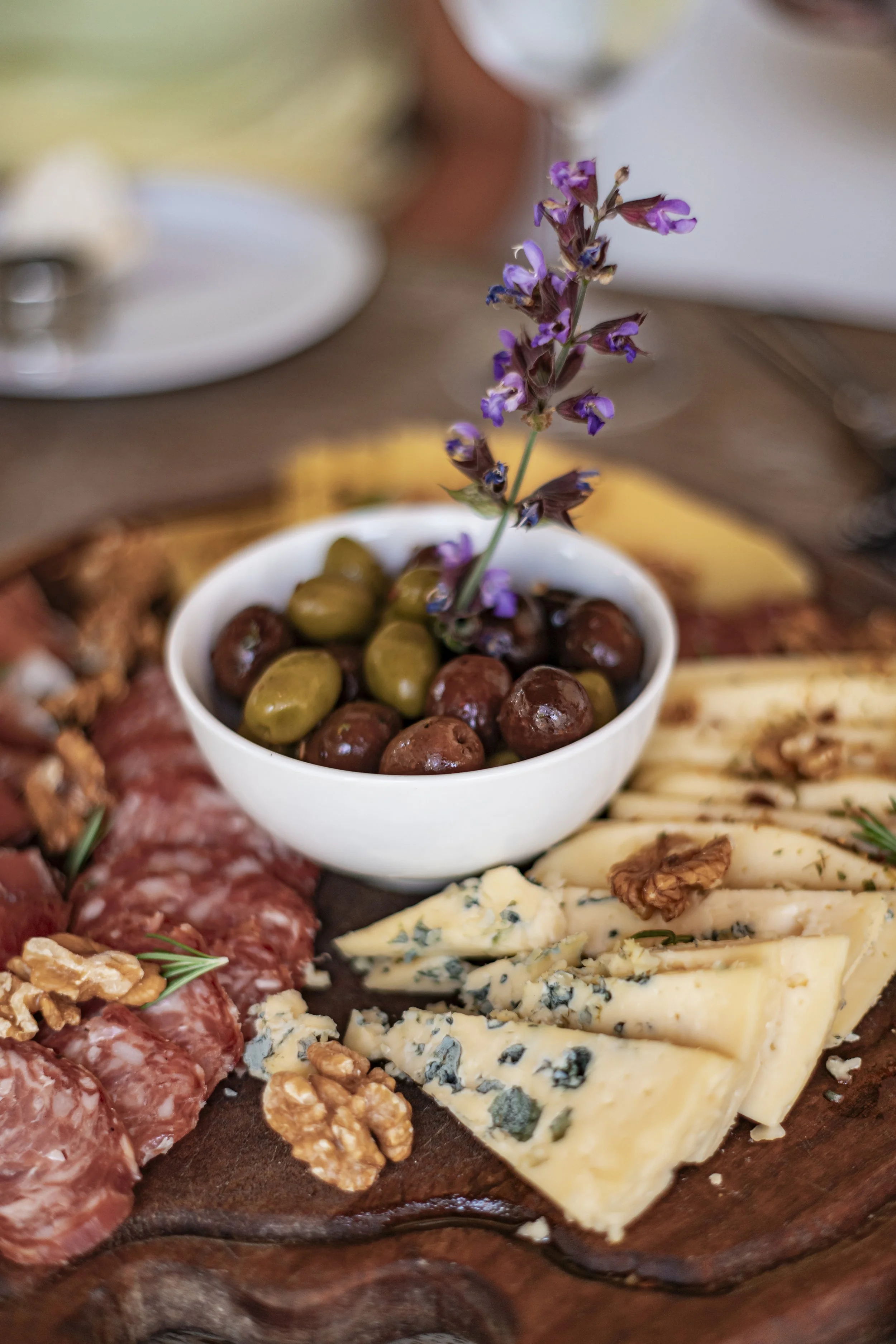
A Córdoba-inspired board celebrates local flavors while keeping things simple and inviting.

Start with a selection of cured meats:

  • Salame casero

  • Bondiola

  • Jamón crudo

Add a variety of cheeses:

  • Semi-hard cow's milk cheese

  • Aged cheese

  • Fresh goat cheese

Complete the board with:

  • Olives

  • Roasted nuts

  • Seasonal fruits

  • Homemade preserves

  • Rustic bread or crackers

Pair with a glass of Argentine wine or a local craft beer to create a memorable regional tasting experience.

Supporting Local Producers

Choosing locally made charcuterie and cheese helps preserve traditional foodways and supports family-run businesses that are integral to Córdoba's rural communities.

Whether purchased at farmers' markets, specialty food shops, or directly from producers, these products offer a genuine connection to the landscapes and people who create them.

Bringing Córdoba's Flavors Home

The beauty of Córdoba's charcuterie and cheese lies in its authenticity. These are foods made with patience, tradition, and respect for local ingredients.

Whether you're assembling a simple appetizer for friends or exploring Argentina's regional gastronomy, Córdoba's cured meats and cheeses offer a delicious reminder that some of the country's most remarkable culinary experiences are found far beyond the grill.
Exploring the Alfajor de Maicena: Argentina's Beloved Treat

Soft, delicate, and filled with silky dulce de leche, alfajores de maicena hold a special place in Argentine hearts. Found in bakeries, family kitchens, cafés, and celebrations across the country, they are among Argentina's most beloved sweet treats.

While there are countless varieties of alfajores throughout South America, the alfajor de maicena has become a true Argentine classic, recognised by its tender texture, generous filling, and signature coating of coconut around the edges.

More than just a biscuit, it tells a story of cultural influences, family traditions, and the country's enduring love affair with dulce de leche.

The origins of the alfajor can be traced back centuries to the Arab world. During the Moorish occupation of Spain, sweet confections made with nuts, honey, and spices became part of the culinary landscape. The name itself is believed to derive from the Arabic word al-hasú, meaning "filled" or "stuffed." As Spanish culture evolved, these sweets adapted to local ingredients and traditions.

When Spanish settlers arrived in the Americas, they brought many of their culinary customs with them, including early versions of the alfajor.

Over time, the confection evolved differently in each region. In Argentina, it eventually became something entirely unique. By the nineteenth and early twentieth centuries, alfajores had become increasingly popular throughout Argentina.

The country's growing dairy industry made dulce de leche widely available, and it wasn't long before bakers began sandwiching biscuits together with generous layers of the caramel-like spread.

The introduction of cornstarch (maicena) transformed the texture of the biscuit itself. Instead of being crisp or dense, the biscuits became exceptionally light, crumbly, and delicate—melting in the mouth with each bite.

This innovation helped create the version now known and loved as the alfajor de maicena. Part of the appeal lies in their simplicity. The combination of buttery biscuits, dulce de leche, and coconut is familiar, comforting, and nostalgic. For many Argentines, alfajores de maicena evoke childhood memories of birthdays, Sunday visits to grandparents, school celebrations, and afternoon coffee shared with family.

Unlike some commercial alfajores coated in chocolate, the maicena version often feels homemade and deeply connected to family traditions.

Many households have a treasured recipe that has been passed down through generations, with slight variations that make each family's version unique.

Across Argentina, alfajores de maicena are often enjoyed during la merienda—the afternoon pause for coffee, tea, or mateaccompanied by something sweet.

Whether served at a café in Buenos Aires, a bakery in Córdoba, or around a family table in the countryside, they remain a favourite choice for sharing and conversation.

Their delicate appearance and rich filling make them equally suited to special occasions and everyday moments.

Today, alfajores are one of Argentina's most recognised foods, often carried home by travellers as gifts and enjoyed by visitors eager to experience local flavours.

Among all the variations available, the alfajor de maicena remains one of the most iconic. It reflects the country's Spanish heritage, the importance of its dairy traditions, and the enduring popularity of dulce de leche.

Most importantly, it represents something that Argentines value deeply: the simple pleasure of gathering around a table to share something sweet.

Few treats capture that spirit quite as perfectly as an alfajor de maicena.

Sorrentinos and the Italian Influence on Argentine Cuisine

Few dishes are as distinctly Argentine and yet so deeply Italian as sorrentinos.

Found on restaurant menus from Buenos Aires to Córdoba, these generously filled rounds of pasta have become a staple of family lunches, Sunday gatherings, and neighbourhood pasta shops. Yet despite their unmistakably Italian name, sorrentinos are not actually Italian at all.

Their story is one of immigration, adaptation, and the creation of a unique culinary identity that continues to define Argentina today.

An Argentine Pasta with Italian Roots

While many assume sorrentinos originated in Italy, most food historians agree that they were actually created in Argentina, specifically in the coastal city of Mar del Plata. The pasta is believed to have been developed by Italian immigrants from the town of Sorrento, whose culinary traditions inspired the dish that would eventually bear their hometown's name.

Unlike traditional ravioli, sorrentinos are larger, round rather than square, and traditionally filled with ham and mozzarella. Their distinctive shape and generous filling made them both practical and satisfying, quickly earning them a place in Argentine homes and restaurants.

Several families from Sorrento are associated with their creation, particularly the Pérsico and Véspoli families, who settled in Mar del Plata during the great wave of Italian immigration in the late nineteenth and early twentieth centuries. Their stories remain intertwined with the history of the dish today.

The Italian Migration That Changed Argentina

To understand the popularity of sorrentinos, it helps to understand the extraordinary impact Italians had on Argentina.

Between the 1880s and the early 1900s, millions of Italians arrived seeking new opportunities. They brought with them not only their language and customs but also their recipes, cooking techniques, and food traditions.

These immigrants settled across the country, including the fertile plains of the Pampas, the growing cities of Buenos Aires and Rosario, and the agricultural regions of Córdoba and Santa Fe. Over time, Italian food became woven into everyday Argentine life.

Today, many of Argentina's most beloved dishes have Italian origins or influences:

  • Fresh pasta

  • Gnocchi (ñoquis del 29)

  • Pizza

  • Fainá

  • Milanesas

  • Homemade tomato sauces

  • Ice cream and gelato traditions

What emerged was not a copy of Italian cuisine, but something entirely new: Argentine-Italian cuisine.

A Dish That Could Only Have Been Born Here

Sorrentinos perfectly illustrate how immigrant cooking evolved in Argentina. Inspired by Italian stuffed pastas such as ravioli and possibly ravioli capresi, the dish was adapted using local ingredients, local tastes, and the creativity of immigrant families building new lives far from home. The result was a pasta that Italians would not necessarily recognise as traditional, yet one that feels completely at home in Argentina.

This blending of cultures is a hallmark of Argentine food. Rather than preserving recipes unchanged, immigrant communities adapted them to what was available, creating dishes that honoured their heritage while embracing their new country.

More Than a Pasta

For many Argentines, sorrentinos are more than a meal.

They evoke memories of Sunday lunches, family gatherings, neighbourhood pasta shops, and handwritten recipes passed down through generations. They are part of the country's collective food memory.

Even visitors are often surprised to learn that this seemingly Italian dish is largely unknown outside Argentina. Food enthusiasts regularly remark that sorrentinos are one of the country's most distinctive contributions to the world of pasta.

A Lasting Legacy

The story of sorrentinos is, in many ways, the story of Argentina itself.

It is a tale of immigrants carrying traditions across oceans, adapting them to a new landscape, and creating something uniquely their own. It reminds us that food is constantly evolving, shaped by the people, places, and histories that surround it.

Today, whether served with tomato sauce, cream sauce, or a family recipe known only to a grandmother, sorrentinos remain one of the most beloved symbols of Argentina's Italian heritage and one of the most delicious examples of how cultures can come together around the table.

Salsa Criolla: A Fresh Argentine Kitchen Staple

Salsa criolla is a sauce that originated in Peru but has become incredibly popular within Argentine cooking. It's fresh and tangy, making it the perfect accompaniment to many beloved Argentine dishes. Quick and simple to make, and composed of ingredients you'd find in almost every kitchen, it's a staple in households across Latin America.

It's the perfect way to elevate a dish - whether that's steak, grilled vegetables, or simply enjoyed with tortilla chips. It can be adapted and adjusted to suit different tastes, and every family seems to have their own version, some heavier on the chilli, others leaning more towards vinegar or fresh herbs. There's no single "correct" way to make it, which is part of why it's traveled so well across the continent and found a permanent home on Argentine tables.

Like so much of Argentine cuisine, salsa criolla tells a story of movement and adaptation. Peru's version tends to lean more heavily on lime and fresh chilli, often served alongside ceviche or anticuchos, but as it crossed into Argentina it found a new purpose entirely, becoming the quiet companion to the country's most famous export: the asado. The vinegar-forward Argentine version we know today is a little different from its Peruvian ancestor, but the spirit is the same. A handful of humble ingredients, chopped and combined, turned into something far greater than the sum of its parts.

What makes salsa criolla such a natural fit for Argentine cooking is its role at the parrilla. Where chimichurri tends to get all the attention, salsa criolla brings something different to the table, a brightness and crunch that cuts through the richness of grilled beef in a way that feels essential once you've tried it. It's the kind of sauce you don't think much about until you're eating a steak without it, and then you notice exactly what's missing. The raw onion and pepper give it bite, the tomato adds a little sweetness, and the vinegar ties it all together with a sharpness that wakes up your palate between bites of meat.

In our kitchen at Los Potreros, it's become one of those quiet staples that appears alongside almost everything that comes off the grill. It takes minutes to put together, keeps well in the fridge for a few days, and somehow always tastes better the second day, once the onion has softened slightly and the flavours have had a chance to properly mingle. We've served it alongside slow-cooked asado, spooned over grilled vegetables from the garden, and even scooped up with tortilla chips as a simple snack before dinner. It's the kind of recipe that never quite leaves the rotation, because it works with almost anything.

Part of the appeal is how forgiving it is. If you don't have red wine vinegar, white wine vinegar or even a squeeze of lime will do the job. If chilli flakes aren't to your taste, leave them out, or add more if you like a bit of heat. The measurements below are really just a starting point. Once you've made it a few times, you'll find yourself adjusting it by eye and taste, the way most good simple recipes end up being made.

Here's the recipe for how we like to make it. It's simple enough to memorise after the first go, and forgiving enough that you can adjust the quantities to taste without worrying about getting it wrong.

This vibrant, tangy sauce is one of the easiest ways to bring an authentic touch of Argentine flavour to your table, and pairs beautifully with grilled meats and vegetables straight off the parrilla. Whether you're recreating a taste of the estancia at home or simply looking for a fresh, easy sauce to brighten up your next barbecue, salsa criolla is well worth adding to your repertoire.

Chimichurri: Argentina's Most Famous Sauce

Few condiments are as closely associated with Argentina as chimichurri.

Bright, herbaceous, and full of character, this vibrant green sauce has long been a staple of Argentine cooking. While it is best known as the companion to an asado, chimichurri is far more versatile than many visitors realise. It can transform grilled vegetables, roasted potatoes, fresh bread, and simple garden produce into something memorable.

Like many traditional foods, its appeal lies in its simplicity. Made from everyday ingredients that are often growing just outside the kitchen door, chimichurri is a celebration of fresh herbs, good olive oil, and the pleasure of sharing food outdoors.

A Sauce with Mysterious Origins

The exact origins of chimichurri remain a topic of debate.

One popular story claims the name came from an Irishman named Jimmy McCurry who fought alongside Argentine forces during the nineteenth century and whose name was gradually transformed into "chimichurri." Another theory links the word to Basque settlers or to a blend of Spanish phrases used by immigrant communities.

While historians continue to debate its true origins, there is little doubt that chimichurri emerged from the cultural melting pot that shaped modern Argentina. Influences from Spanish, Italian, Basque, and other European immigrant communities helped create the food traditions that define the country today.

More Than a Sauce for Meat

Although chimichurri is most commonly served with grilled beef, its uses extend far beyond the asado.

In many Argentine homes it is used to accompany:

  • Grilled vegetables

  • Roasted pumpkin and sweet potato

  • Barbecued corn

  • Fresh tomatoes

  • Potatoes

  • Sandwiches

  • Empanadas

  • Crusty bread

Its fresh acidity and herbal flavour bring balance to rich foods while adding brightness to simple dishes. For gardeners, it is often a natural way to use an abundance of parsley and oregano during the growing season.

A Reflection of the Garden

One of the reasons chimichurri remains so beloved is its connection to the kitchen garden.

Parsley grows readily throughout much of Argentina, oregano thrives in the warm climate, and garlic is a staple crop in many vegetable patches. Together they create a sauce that reflects the flavours of the season.

Many families have their own version, passed down through generations. Some add fresh chilli, others prefer dried oregano, while some include a touch of lemon or extra vinegar.

Like all great traditional foods, there is no single correct recipe only family traditions and personal preferences.

The Spirit of the Asado

Chimichurri is inseparable from the Argentine asado.

Just as important as the food itself is the ritual that surrounds it: gathering with friends and family, cooking slowly over fire, sharing stories, and spending hours around the table.

A bowl of chimichurri sitting beside the grill is a familiar sight at these gatherings. It represents hospitality, generosity, and the simple pleasure of eating together.

A Taste of Argentina

For many visitors, chimichurri becomes their first introduction to Argentine flavours. For locals, it is something much deeper a taste of home. It is fresh yet robust, simple yet full of character, and deeply connected to both the land and the traditions of those who cultivate it. Whether spooned over vegetables from the garden, served alongside a barbecue, or enjoyed with a piece of warm bread under the shade of a tree, chimichurri captures the essence of Argentine cooking: simple ingredients, shared generously, and enjoyed in good company.

Banana Bread with Dulce de Leche

Estancia Los Potreros is passionate about sustainability and doing what we can to protect the beautiful landscape of the sierras chicas. One way of doing this is minimising food waste. Fresh fruit is a staple on the breakfast table, but everyone knows that there are always a banana or two that is left a little too long in the fruit bowl to turn brown. 

Luckily, the best banana bread is made with ripe bananas, so instead of throwing them away, they get whipped up into the most delicious banana bread that is enjoyed on the veranda at afternoon tea. 

What is so joyful is the versatility of bananas. Sometimes baked simply, flavored by the sweet banana and vanilla extract and topped with fresh fruit, or mixed with dark chocolate chips, but the best marriage of flavors is that of banana bread with dulce de leche. Here is a recipe to try at home:

140g softened

140g caster sugar

2 large eggs

1tsp vanilla extract

140g self raising flour

1tsp baking powder

2 very ripe bananas

80g dulce de leche

Preheat the oven to 180C. Line a 2lb loaf tin with baking parchment.

Cream together the sugar and butter until light and fluffy. Add the eggs and vanilla extract and mix until combined. Fold in the flour, baking powder and bananas. Put the mixture in the tin and dot the dulce de leche on top of the mixture, swirl it with the end of a spoon to create a marble effect. Bake for 50 minutes or until a wooden skewer comes out clean. Leave to cool before serving.


Fresh Fruit Grilled on the Parilla

A Sunday asado is a sacred ritual within Argentine culture. And who are we to go against this age old tradition. There is nothing better than a long lunch in the garden under the trees with multiple cuts of beef, plentiful platters of charred fresh vegetables and an abundance of chimichurri. It is a special time, and often a highlight of the week. 

Whilst sharing a drink before sitting down for lunch, it is a great moment to gather around the parilla and marvel about what is about to come, but it is what is placed on the grill afterwards, when everyone is sitting enjoying the main course that is arguably just as exciting.

It is something so simple, and seems obvious once you know about it but doesn't seem to have hit the mainstream media yet. And that is grilled fruit. Whether it’s a peach, pear or banana, it is spectacularly delicious and the perfect end to any great asado. 

The great joy of this, is it is so easy to replicate - all you have to do is place the fruit on the grill and let it char until it is golden and beautifully caramelized. To elevate this dish, you can marinate the fruit before hand in some mint and sugar. At Los Pots it is served with ‘black sugar’ and unrefined sugar that melts beautifully into the hot fruit and some cream to pour on top.

It is a massive crowd pleaser and a great way to enjoy local fresh fruit and make the most of the barbeque. 


Choripan: Argentina’s Favourite Street Food

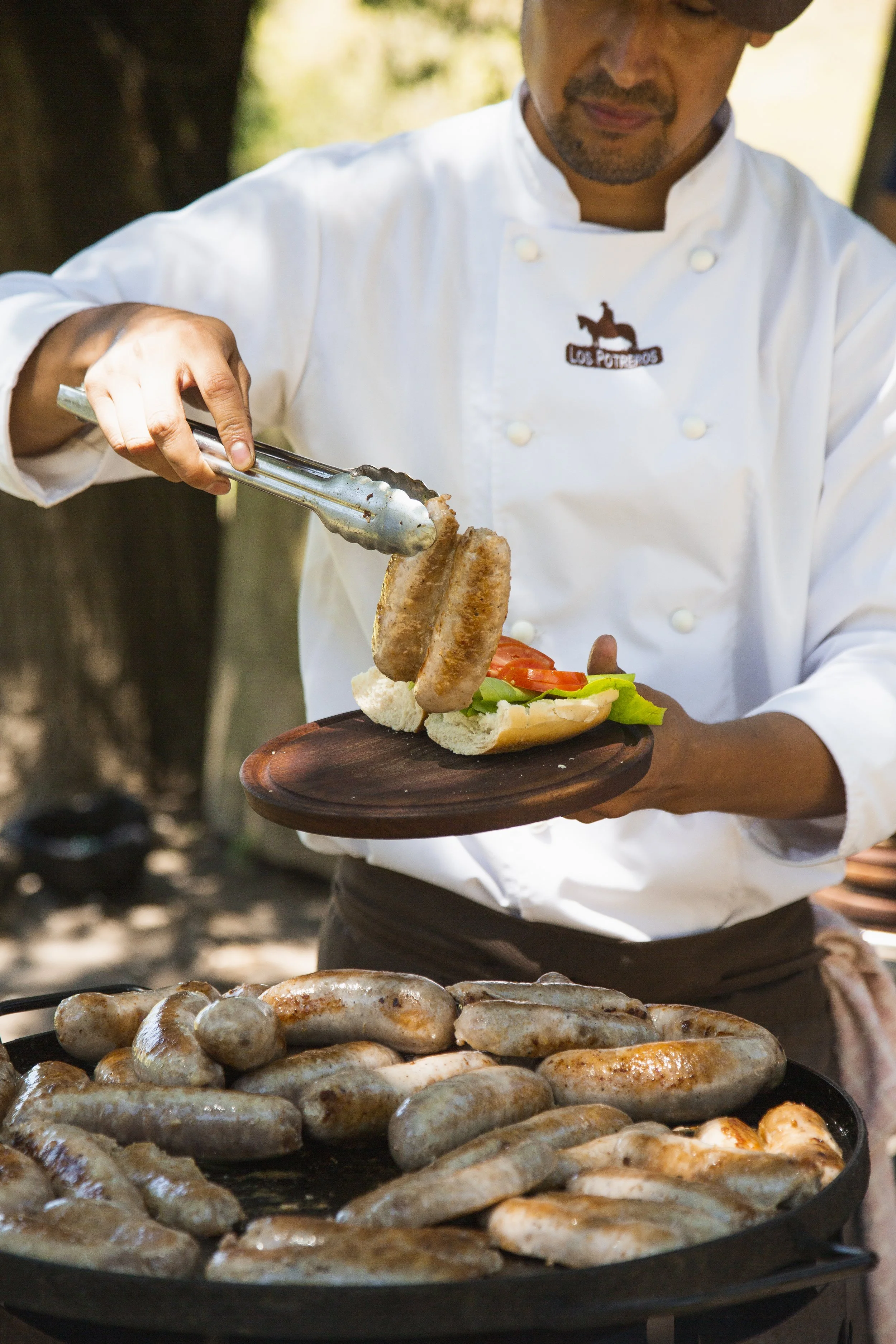
Arguably Argentina’s most iconic street food, choripan is a staple found across the country. Its name comes simply from its two main ingredients: ‘chori’ from chorizo, the sausage, and ‘pan’, the bread it is served in. In many ways, it is Argentina’s answer to the hotdog, although most Argentines would argue it is far superior.

The origin story of choripan lies within gaucho culture. When the Spanish introduced pigs to Argentina, sausages quickly became a practical and popular food to cook over open fires in the countryside. Gauchos, spending long days working cattle across the vast plains, needed meals that were simple, filling and easy to eat. Without plates or cutlery, the solution was straightforward: sandwich the grilled sausage between bread. Choripan was born.

Since then it has developed and been introduced into urban areas. Thanks to its simplicity and portability, it became a firm favourite among truck drivers. Even today, it is common to spot trucks parked up on the side of the road at lunch time, where the drivers gather around the parilla to claim their freshly grilled lunch. 

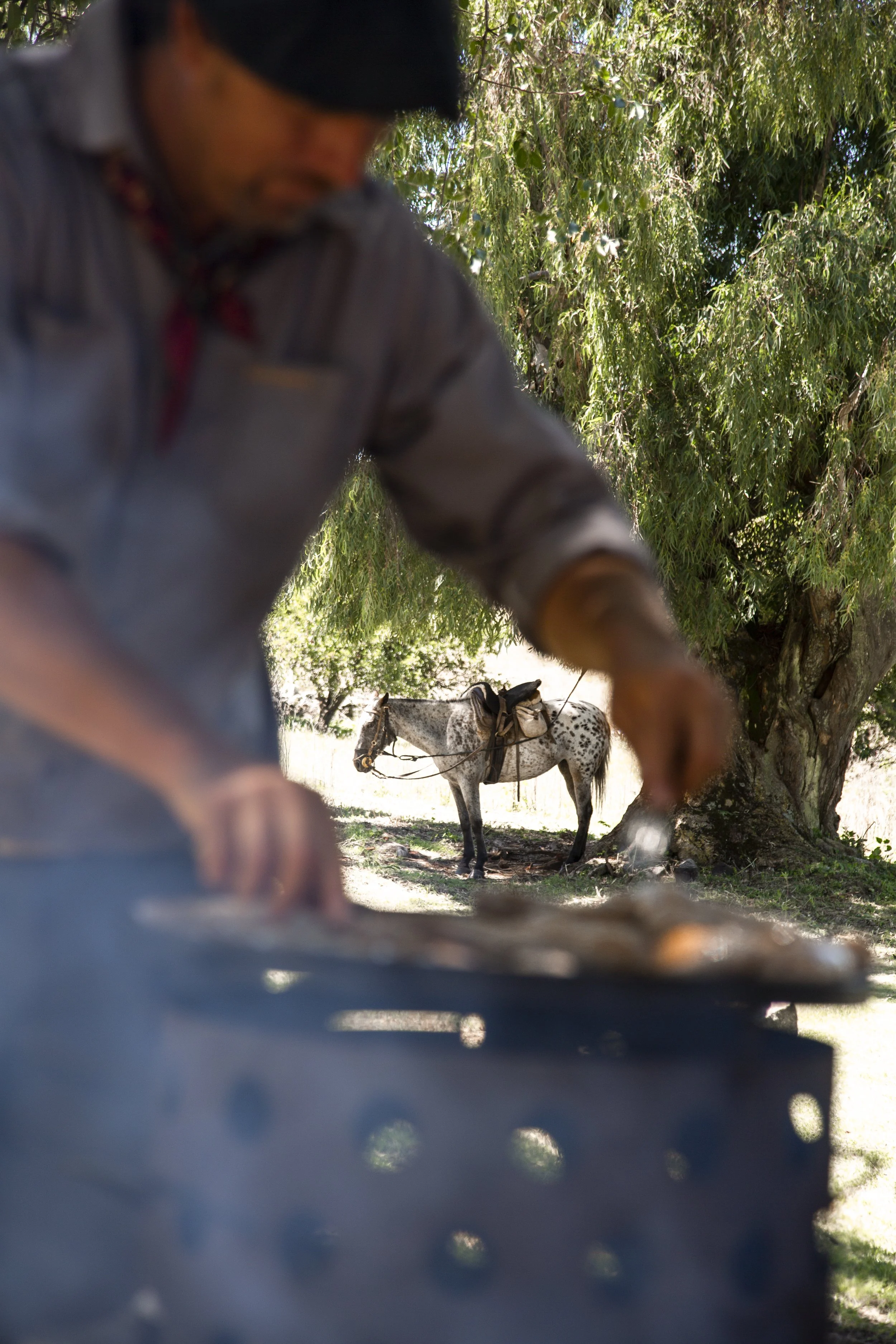
It is a staple and can be found in all corners of Argentina. The sausage is cooked over hot coals, then split open to create its characteristic butterfly shape. It is then tucked into a crusty roll and topped generously with chimichurri or salsa criolla.

At Los Potreros, we cannot think of a better picnic lunch after a morning of riding. Our choripan is usually served with a slight estancia twist. Perhaps some freshly picked lettuce from the vegetable garden for added freshness, or homemade sauces for guests wanting to experiment beyond the traditional toppings.

Cappuccino Cake: Perfect for Afternoon Tea on the Verandah

Few things pair better with a quiet afternoon on the verandah than a slice of cappuccino cake and a freshly brewed cup of coffee. Light, moist, and infused with rich coffee flavor, this cake is simple enough for everyday baking yet special enough to share with friends.

For the Cake

  • 200g unsalted butter, softened

  • 200g caster sugar

  • 4 eggs

  • 200g self-raising flour

  • 2 tbsp instant espresso powder

  • 2 tbsp hot water

  • 2 tbsp milk

  • 1 tsp vanilla extract

For the Cappuccino Frosting

  • 125g unsalted butter, softened

  • 250g icing sugar

  • 1 tbsp instant espresso powder

  • 1 tbsp hot water

  • 1–2 tbsp milk

To Finish

  • Cocoa powder for dusting or chopped chocolate

Make the Cake

  1. Preheat the oven to 170°C and grease and line two 20cm round cake tins.

  2. Dissolve the espresso powder in the hot water and allow it to cool slightly.

  3. Cream the butter and sugar until pale and fluffy.

  4. Beat in the eggs one at a time.

  5. Fold in the flour, then add the coffee mixture, milk, and vanilla.

  6. Divide the batter between the tins and bake for 25–30 minutes, or until a skewer comes out clean.

  7. Cool completely before frosting.

Make the icing

  1. Dissolve the espresso powder in the hot water.

  2. Beat the butter until smooth.

  3. Gradually add the icing sugar.

  4. Mix in the coffee and enough milk to create a light, spreadable frosting.

Spread frosting between the cake layers and over the top. Dust lightly with cocoa powder and decorate with coffee beans if desired.

The gentle coffee flavor and soft crumb make this cake ideal for long conversations, sunny afternoons, and those moments when there's nowhere else you'd rather be than sitting on the verandah with a warm drink in hand.

Aperol Spritz or Gin & Tonic? The Great Los Potreros Debate

Gin & Tonic or Aperol Spritz? The Perfect Sundowner at Estancia Los Potreros

There are few better ways to end a day at Estancia Los Potreros than with a drink in hand as the sun slowly disappears behind the Sierras Chicas. After hours spent riding through rolling hills, exploring hidden valleys or simply enjoying the peace of the Argentine countryside, the evening ritual begins: gathering on the terrace to watch the sky transform into shades of gold, pink and orange.

While Argentina is renowned for its exceptional wines, two cocktails consistently compete for pride of place as our favourite sundowner—the timeless Gin & Tonic and the ever-popular Aperol Spritz.

The Classic Gin & Tonic

The Gin & Tonic is a drink that never goes out of style. Crisp, refreshing and wonderfully simple, it's the perfect way to cool down after a day in the saddle. Served over plenty of ice with a slice of fresh lemon, it offers a clean, citrusy finish that feels especially welcome after a warm afternoon outdoors.

At Estancia Los Potreros, we like to give this classic cocktail an Argentine twist. Our preferred gin is crafted in Argentina and features yerba mate as one of its signature botanicals. Known as the country's national infusion, yerba mate adds subtle herbal notes that complement the juniper beautifully, creating a uniquely South American take on a much-loved classic.

The Ever-Popular Aperol Spritz

If the Gin & Tonic is refreshing and understated, the Aperol Spritz is effortlessly sociable. Bright orange in colour, lightly sparkling and delicately bittersweet, it captures the relaxed spirit of long summer evenings.

Made with Aperol, Prosecco and sparkling water, it's a drink designed for lingering conversations rather than hurried moments. There's something about its vibrant colour that perfectly mirrors the glowing sunset over the Córdoba hills, making it an irresistible choice as the day draws to a close.

Whether enjoyed before dinner or while watching the horses wander back towards the paddocks, the Aperol Spritz has become a firm favourite among guests looking to savour every last moment of daylight.

An Argentine Sunset Worth Toasting

One of the greatest pleasures of estancia life is its slower pace. As the day's adventures come to an end, everyone naturally gathers together, swapping stories from the ride, sharing photographs and reflecting on another unforgettable day in the saddle.

It's a tradition that reminds us some of life's simplest moments are often the most memorable - a good drink, great company and an uninterrupted view across the Sierras.

So, which cocktail wins?

The Gin & Tonic is for refreshment, elegance and simplicity.

The Aperol Spritz is for long conversations, lingering evenings and celebrating the beauty of golden hour.

At Estancia Los Potreros, there's really no need to choose. The best answer is to try both and let the sunset decide.

An Ode to the Asado: The Heart of Argentine Life

There are meals, and then there is the asado.

In Argentina, an asado is far more than food - it is ritual, tradition, celebration, and connection. It is the slow gathering of family and friends, the smell of wood smoke drifting across the fields, the sound of conversation stretching long into the afternoon, and the quiet understanding that nobody is in a hurry to leave.

At Estancia Los Potreros, the asado is woven into the rhythm of life. Whether shared after a long morning ride through the sierras, prepared for guests under the shade of old trees, or enjoyed during a family Sunday lunch, it represents something deeply rooted in the Argentine way of life.

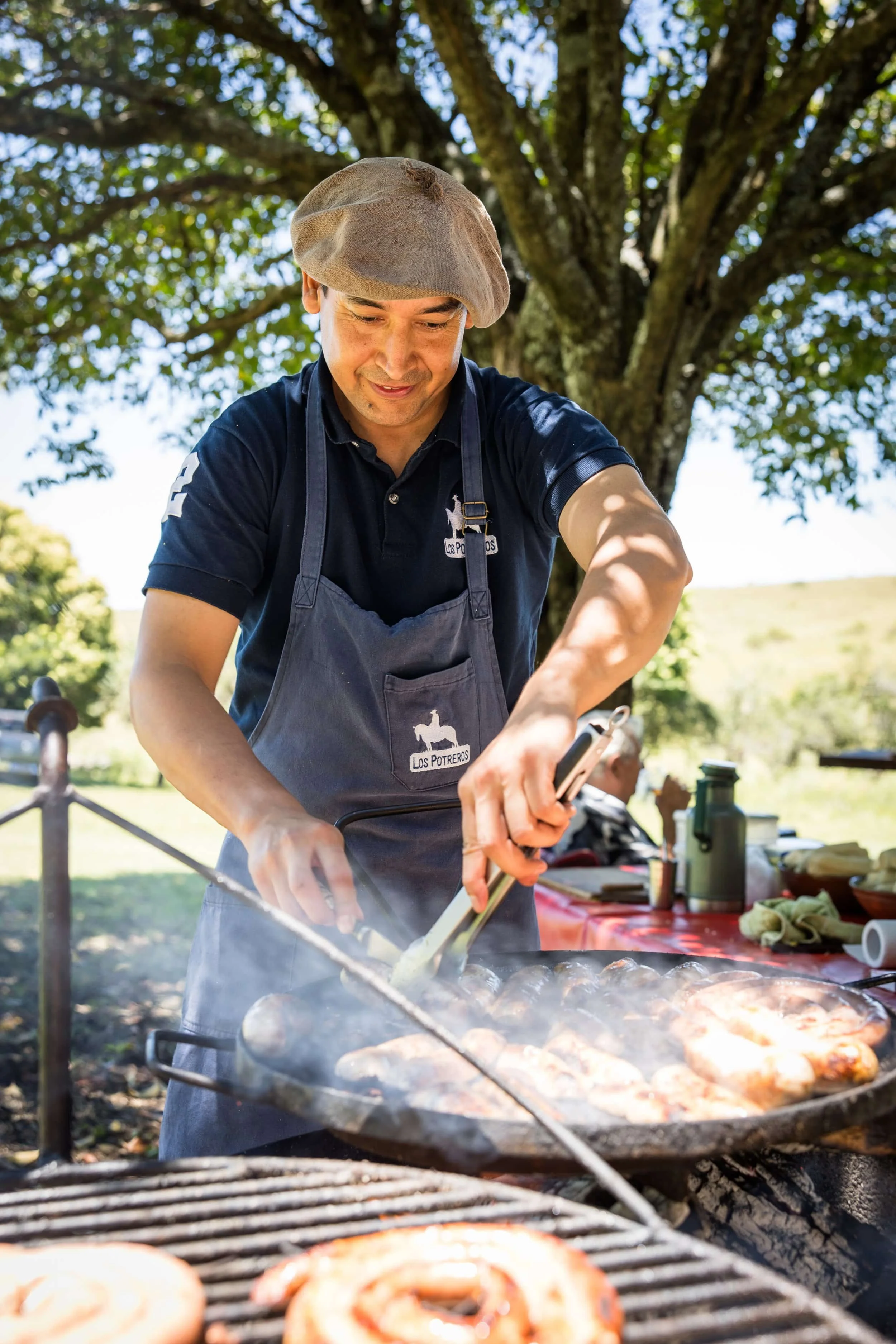
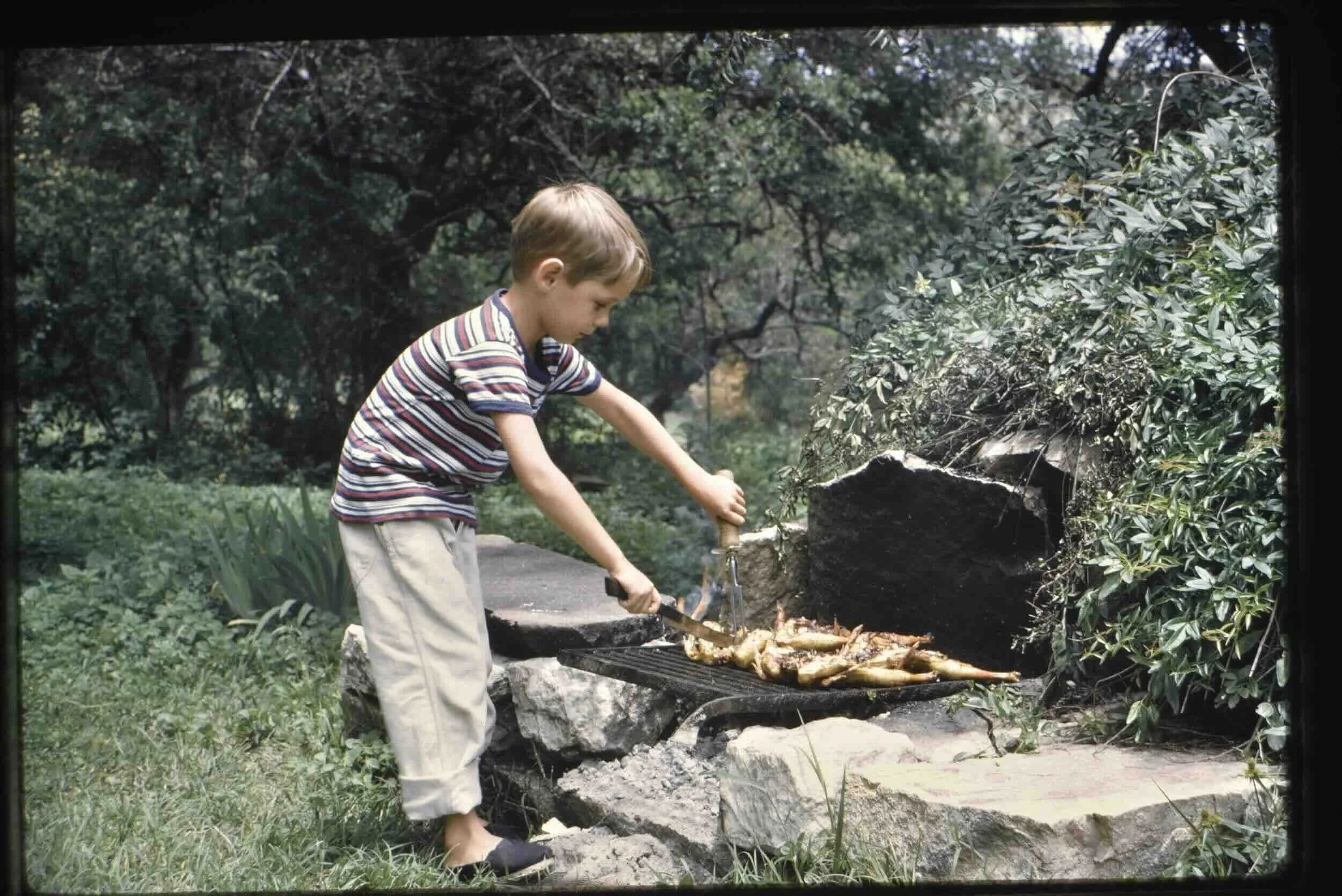
Unlike a simple barbecue, an asado is about patience. The fire is prepared with care, often using wood or charcoal rather than gas, and the meat is cooked slowly over glowing embers. There is no rushing it. The asador - the person in charge of the fire - takes on an almost ceremonial role, tending the grill with quiet authority and a deep sense of pride.

Beef, of course, is at the centre of it all. Argentina’s cattle culture makes this almost inevitable, and every cut has its place: ribs, vacío, entraña, chorizo, morcilla, and sometimes provoleta sizzling at the edges. Each arrives in its own time, never all at once, allowing the meal to unfold gradually, generously, and without formality.

But what makes the asado unforgettable is not only the food - it is the atmosphere. It is the way people gather around the grill before the meal even begins. It is the stories told between courses, the children running through the garden, the glasses of Malbec being refilled, and the understanding that the meal itself is only part of the occasion.

At an estancia, the asado carries even greater meaning. It reflects the relationship between the land, the cattle, and the people who care for both. It is a celebration of rural life and of the traditions passed quietly from one generation to the next. It is hospitality in its purest form.

Guests at Estancia Los Potreros often say their most memorable meals are the simplest ones: sitting outside, horses grazing nearby, the mountains turning gold in the late afternoon light, and a perfectly cooked asado shared at a long table.

There is something beautifully honest about it. No unnecessary ceremony, no complicated presentation, just excellent ingredients, good company, and time.

Perhaps that is why the asado feels less like a meal and more like a way of understanding Argentina itself. It teaches patience, generosity, and the importance of gathering together.

It reminds us that some of life’s greatest luxuries are also the simplest: fire, food, friendship, and an open sky.

For many visitors, taking part in an authentic Argentine asado becomes one of the defining memories of their stay. Long after the final embers have faded, they remember the warmth of the welcome, the flavours of perfectly cooked beef, and the conversations shared around the table. At Estancia Los Potreros, the asado is more than a culinary tradition - it is an invitation to experience the heart of Argentine hospitality and the timeless spirit of estancia life.

An Argentine Parrilla with vegetables, chicken, sausages

From the Garden to the Pantry: Preserving Autumn's Harvest

Gathering, preserving and enjoying fresh produce at Estancia Los Potreros

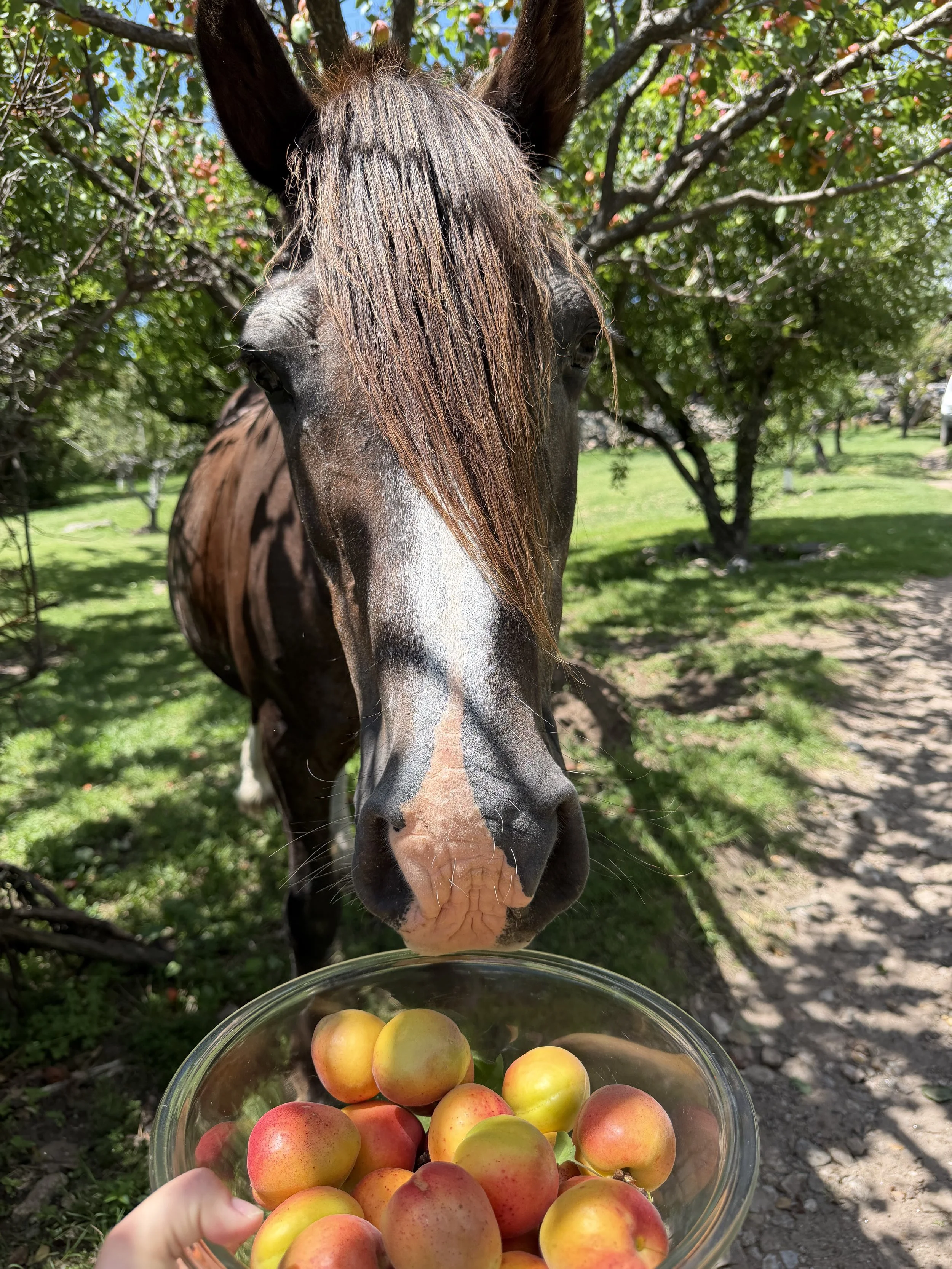
As we move into autumn, the trees in the garden at Estancia Los Potreros become laden with a wide array of ripening fruit. Crisp apples are ready to enjoy - if they haven't already been snaffled by a passing horse - while juicy figs find their way onto our plates in many different forms, from breakfast preserves to accompaniments for evening asado.

The climate here in rural Córdoba, Argentina, is ideal for growing fruit, and the surrounding vegetable garden thrives alongside it. The only real challenge each season is finding ways to use it all before it turns.

Preserving food is a tradition that stretches back centuries at Los Potreros, and jars of pickles and preserves fill much of our pantry year-round. As a working estancia that is self-sufficient in energy, producing shelf-stable goods is another way we reduce electricity consumption and food waste. Autumn is the perfect time for our chefs to make the most of this abundance, transforming fresh fruit into jams that can be enjoyed long after the harvest ends - particularly through the winter months, when fresh produce is harder to come by and the pantry becomes an extension of the garden itself.

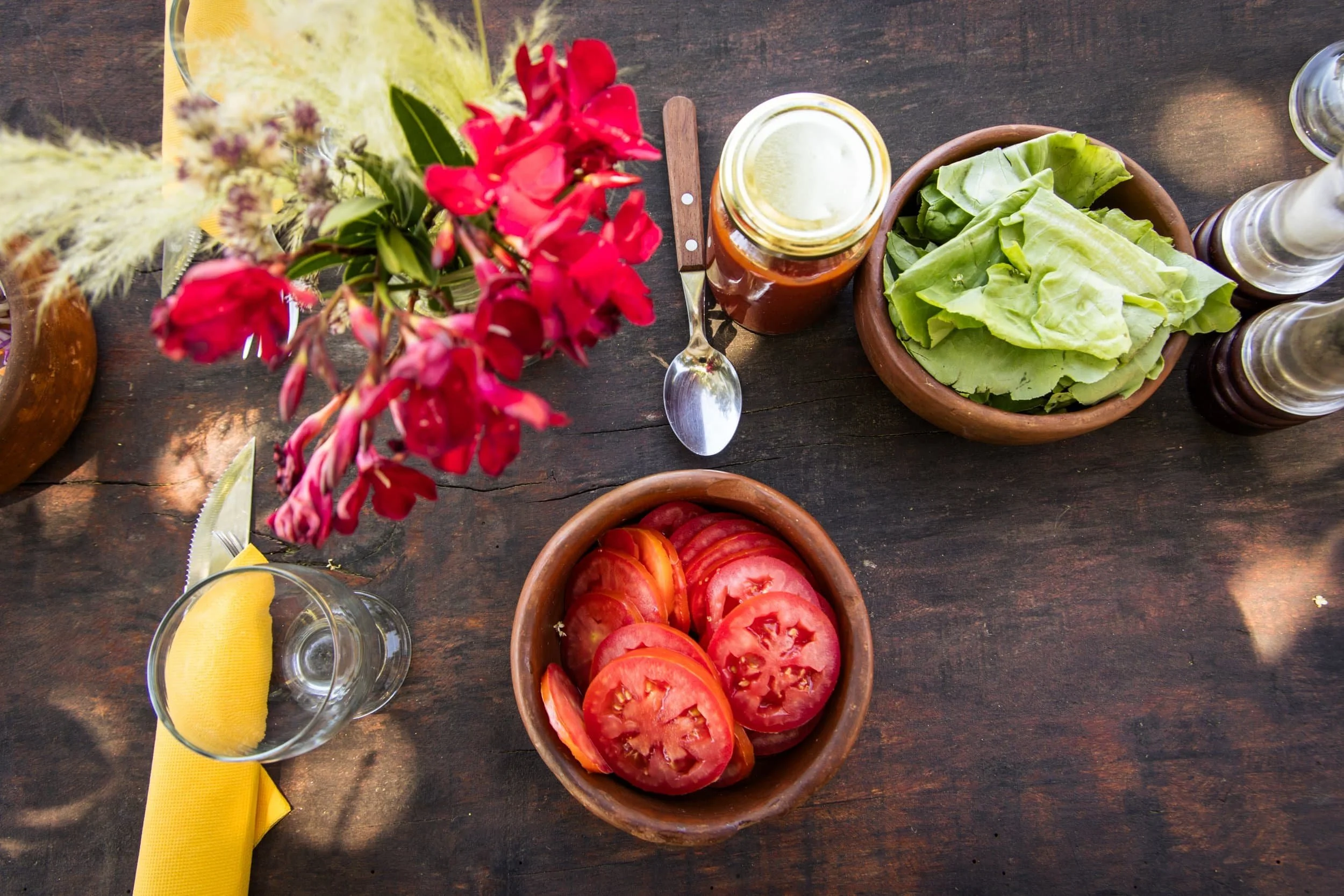
A firm favourite in the Los Potreros kitchen is spicy tomato jam, made using tomatoes grown in our own vegetable patch and finished with a kick of fresh chilli. It's a simple recipe, but one that captures the balance of sweetness and heat our chefs love to work with.

Beyond the garden, the kitchen also draws on the wild herbs that grow freely in the Sierras Chicas. Fresh mint is picked for tea, while sage pairs beautifully with homemade butternut squash ravioli. Other plants found growing wild in this area include chachacoma, traditionally used to help with altitude sickness, and carqueja, a herb commonly used to support digestion and liver health.

At Estancia Los Potreros, cooking with the seasons and using fresh, locally grown produce is at the heart of daily life. From garden-to-kitchen jams to wild herbs harvested in the Sierras Chicas, every ingredient reflects our commitment to sustainable farming and self-sufficient living. Guests visiting our Argentine estancia can experience authentic farm life, seasonal cooking, and the rhythms of rural Córdoba while enjoying the natural abundance of this special place.

Why not try a few of our favourite recipes;

From Garden to Pantry: Drying Herbs to Enjoy All Winter Long

Apricot Tart

Homemade Fig Chutney Recipe: A Taste of the Estancia

A red apple on a dark cutting board, with two spoons and a jar on a wooden table.\

From Garden to Pantry: Drying Herbs to Enjoy All Winter Long

As the days begin to cool and summer slowly gives way to autumn, it's the perfect time to start preserving a little of the garden for the months ahead. Drying herbs is one of the oldest and simplest ways to capture the fresh flavours and aromas of the season, ensuring they're ready to enjoy long after the growing season has ended.

At Estancia Los Potreros, the herb garden is an important part of the kitchen. Fresh oregano, mint and bay leaves are picked throughout the warmer months, adding vibrant flavour to everyday cooking. As autumn arrives, we gather the final harvest and dry what we can, filling our pantry with herbs that will flavour soups, stews, roasted vegetables and slow-cooked dishes throughout the winter.

Drying herbs not only helps reduce waste but also preserves the essential oils that give each herb its distinctive taste and fragrance. It's a simple tradition that requires very little equipment and rewards you with homegrown ingredients that are often far more aromatic than shop-bought dried herbs.

How to Dry Herbs for Winter

YOU'LL NEED

  • Freshly picked herbs

  • Kitchen string or twine

  • A warm, dry and well-ventilated space

  • Airtight glass jars for storage

METHOD

  • Harvest your herbs in the morning after the dew has dried but before the heat of the day.

  • Rinse gently if needed and pat the leaves completely dry.

  • Gather the herbs into small bunches and tie them securely with string.

  • Hang the bunches upside down in a warm, dry, well-ventilated place away from direct sunlight.

  • Leave them to dry for 1–3 weeks, depending on the humidity.

  • Once the leaves feel crisp and crumble easily between your fingers, remove them from the stems.

  • Store the dried herbs in airtight jars, keeping them in a cool, dark cupboard to preserve their flavour.

Our Favourite Herbs to Dry

Oregano is one of the easiest herbs to dry and becomes wonderfully fragrant. Sprinkle it over homemade pizzas, roasted vegetables, tomato sauces or grilled meats.

Mint retains its refreshing aroma and is perfect for herbal teas, desserts, fruit salads or adding a cooling touch to summer drinks.

Bay leaves are an essential ingredient in many slow-cooked recipes. Add a leaf to soups, stews, casseroles and stocks for subtle depth of flavour.

A Simple Seasonal Tradition

Preserving herbs is a small ritual that connects us to the changing seasons. Every jar represents a little of summer carefully stored away, ready to be enjoyed when the garden is resting.

There is something deeply satisfying about opening a jar in the middle of winter and finding the unmistakable scent of summer waiting inside. It's a reminder that the garden continues to nourish us long after the last harvest, bringing warmth and flavour to every meal.

Freshly Baked Bread: A Los Potreros Kitchen Tradition

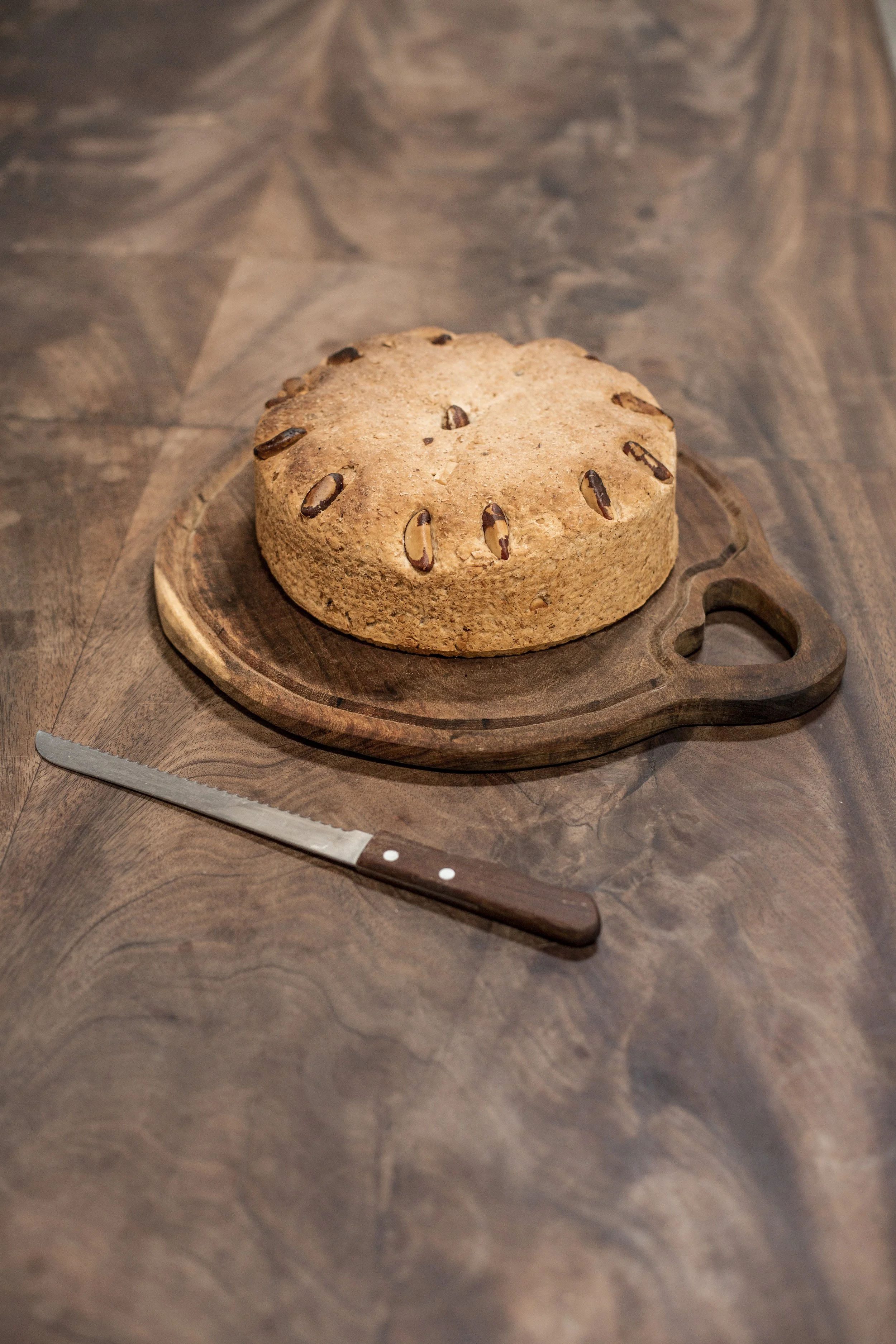
At Estancia Los Potreros, the comforting aroma of freshly baked bread is never far away. With bread served alongside every meal, there is a good chance that, no matter what time of day you wander into the kitchen, you will be greeted by the irresistible smell of fresh break baking in the oven. It is one of the simple pleasures of estancia life and a tradition that has become an essential part of every guest's experience.

Bread is deeply woven into Argentine food culture and has long been a staple on family tables across the country. Whether enjoyed with homemade jams and dulce de leche at breakfast, served alongside a leisurely lunch, or used to mop up the last of a rich chimichurri during a traditional Argentine asado, bread accompanies almost every meal. Soft, light and wonderfully versatile, it provides the perfect complement to Argentina's fresh produce, locally reared beef and homemade dishes.

Argentina is one of the world's biggest consumers of bread, with it estimated that the average person consumes well over 100 kilograms of flour each year. Bakeries are found on almost every street corner, and fresh bread is often bought daily rather than weekly. From crusty loaves to flaky pastries and sweet treats, baking remains an important part of everyday life throughout the country and walking down the streets of Argentina in the morning you will see the bakeries buzzing with locals collecting freshly baked goods for the day.

Here at Estancia Los Potreros, our bread is made fresh in the kitchen using traditional techniques and simple ingredients. Every loaf is unique, shaped by experience rather than strict measurements. Like many experienced bakers, our chefs rely on instinct, adjusting the dough by touch, feel and the day's conditions rather than following a precise recipe. It is this hands-on approach that gives each loaf its rustic character.

Due to this, unfortunately we cannot share an exact recipe, however there are plenty of ways to recreate a little of the Los Potreros kitchen at home. Try topping your loaf with caramelised onions, sweet cherry tomatoes or freshly picked herbs before baking for a delicious finish. For a distinctly Argentine twist, swirl homemade chimichurri through the dough to create a beautifully marbled loaf with a fragrant, herby flavour that pairs perfectly with grilled meats and cheeses.

Of course, we haven't forgotten our gluten-free guests. While traditional wheat bread remains a favourite, we always prepare gluten-free alternatives, ensuring everyone can enjoy freshly baked bread alongside their meals.

Round bread loaf with nuts on top sits on a wooden cutting board beside a bread knife on a brown table.
Freshly baked white bread on a wooden board, ready for lunch!

Argentine Picnic Lunches: Estancia Life in the Open Air

There are few better feelings than arriving at the cattle station after a long morning working with the cows. Horses untacked beneath the trees, the smell of meat and vegetables slowly grilling over the fire, and the sight of a fully stocked bar waiting in the shade - the perfect reward after a morning in the saddle.

At Los Potreros, we take picnics seriously. Forget soggy sandwiches and a slightly bruised apple. Here, lunch might mean lomitos - tender fillet steak sandwiches served in freshly baked buns with generous spoonfuls of homemade chimichurri, accompanied by fresh salads and a fruity sangria made with the finest Argentine wine. 

Enjoy the views of the horses happily rolling and grazing in the garden as everyone sits down at a long table under the trees and shares stories of their morning adventure. Perhaps the biggest challenge of the day comes in deciding which homemade sauce deserves pride of place on your plate. From fresh salsa criolla to a slightly spicy chimichurri and homemade mayonnaise, there is always plenty to choose from - although at Los Potreros, we firmly believe the more sauces, the better.

After a long, relaxed lunch, it only feels right to spend an hour or so stretched out in a hammock, surrounded by peacefully grazing horses and the sound of birdsong, before saddling up once again for the afternoon ride home on your trusty steed.

Whether it is homemade burgers with blue cheese or crispy milanesa sandwiches, there is something undeniably special about eating outdoors in the middle of the rolling hills, with lunch cooked just metres from the table.

A day spent riding, eating and unwinding in the countryside is one of the simplest pleasures here - and for many guests, our picnics become one of the most memorable parts of their stay at Los Potreros.

Chef Claudio Preparing the Choripan
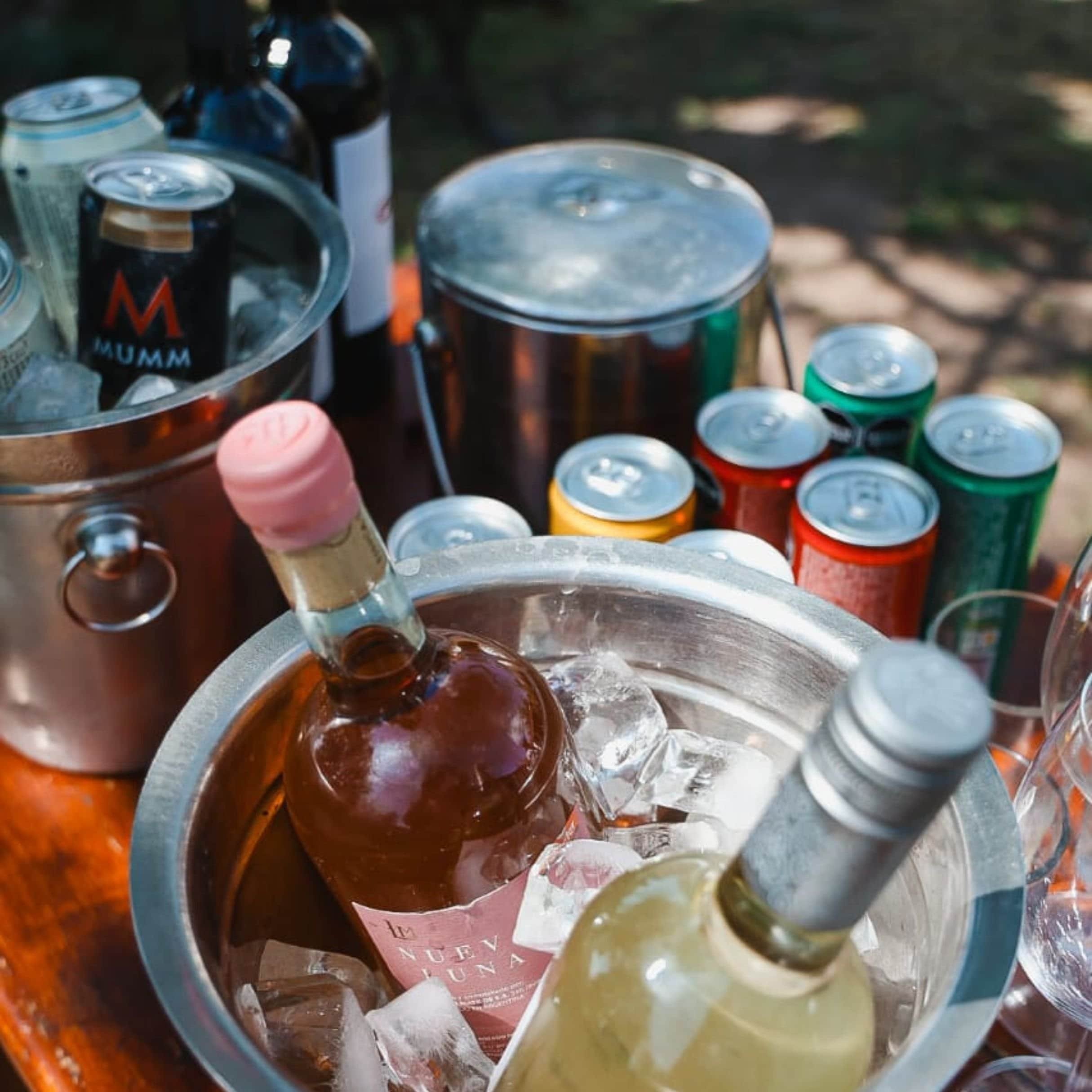
Drinks in an ice bucket waiting for the guests to arrive.
Salads and Sides for a Picnic Lunch on the estancia

Two Los Pots Negroni's

The Los Potreros Negroni is a beautiful riff on the classic Italian aperitivo, swapping traditional London Dry gin for the earthy, herbal notes of Argentine Mate Gin. Using La Fuerza Red Vermouth crafted with Mendoza grapes and local botanicals adding a distinct Andean character that plays perfectly with the bitterness of Campari.

Preparation Steps

  1. Chill Your Glass: Place a rocks glass (Old Fashioned glass) in the freezer for 5 minutes or fill it with ice while you prepare the drink.

  2. Stir, Don't Shake: In a mixing glass filled with plenty of ice, combine the Mate Gin, La Fuerza Red Vermouth, and Campari.

  3. The Dilution: Stir gently with a long bar spoon for about 20–30 seconds. You want the drink to be ice-cold and slightly diluted to open up the botanicals of the mate.

  4. Strain: Empty the tempering ice from your rocks glass. Place one large, fresh ice cube inside and strain the mixture over it.

  5. Express the Zest: Hold the orange peel over the glass and give it a sharp twist to spray the essential oils across the surface of the drink.

  6. Finish: Swipe the peel along the rim of the glass and drop it in.

Why This Pairing Works

  • Mate Gin: Unlike pine-heavy gins, Mate Gin brings notes of eucalyptus, peppermint, and grapefruit, which bridge the gap between the bitter Campari and the sweet vermouth.

  • La Fuerza Rojo: This vermouth is made from Malbec or Cabernet Sauvignon grapes. It has a deeper, spicier profile than Italian sweet vermouths, providing a robust backbone to the cocktail.

  • Orange Peel: The citrus oils are essential to brighten the deep, tannic notes of the yerba mate and the red wine base

Apricot Tart

This rustic apricot tart is a beautiful summer dessert that combines three classic elements into one elegant bake. It starts with an Argentine-inspired Pastafrola pastry, filled with a silky French vanilla pastry cream, and finished with caramelized apricots glazed in buttery brandy syrup. The crisp, buttery crust contrasts perfectly with the smooth custard and the sweet-tart fruit, making this tart ideal for afternoon tea, family gatherings, or as a stunning finish to a dinner party. While it looks impressive, each component is straightforward to prepare, and the tart can even be made in stages to make entertaining easier.

To make the Pastafrola pastry, mix 200g of flour with 80g of sugar and 100g of cold, cubed butter using your fingers until it resembles fine breadcrumbs or sand. Add one whole egg, one extra yolk, a splash of vanilla extract, and the finely grated zest of one lemon. Mix just until the dough comes together, taking care not to overwork it, as this will keep the pastry tender and crumbly. Wrap the dough and chill it in the refrigerator for at least 30 minutes. Once rested, roll it out on a lightly floured surface and carefully line a tart tin, trimming away any excess pastry. Prick the base lightly with a fork and bake at 180°C for around 20 minutes, or until the shell is lightly golden and crisp. Allow it to cool completely before adding the filling.

For the French pastry cream, gently heat 500ml of milk with a little vanilla until it is just about to boil. Meanwhile, whisk together four egg yolks, 100g of sugar, and 40g of cornstarch until the mixture is pale and smooth. Gradually pour the hot milk into the egg mixture while whisking continuously to prevent the eggs from scrambling. Return everything to the saucepan and cook over medium heat, whisking constantly until the custard thickens into a glossy, smooth pastry cream. Transfer it immediately to a clean bowl, press a sheet of baking paper or plastic wrap directly onto the surface to stop a skin from forming, and chill until completely cold.

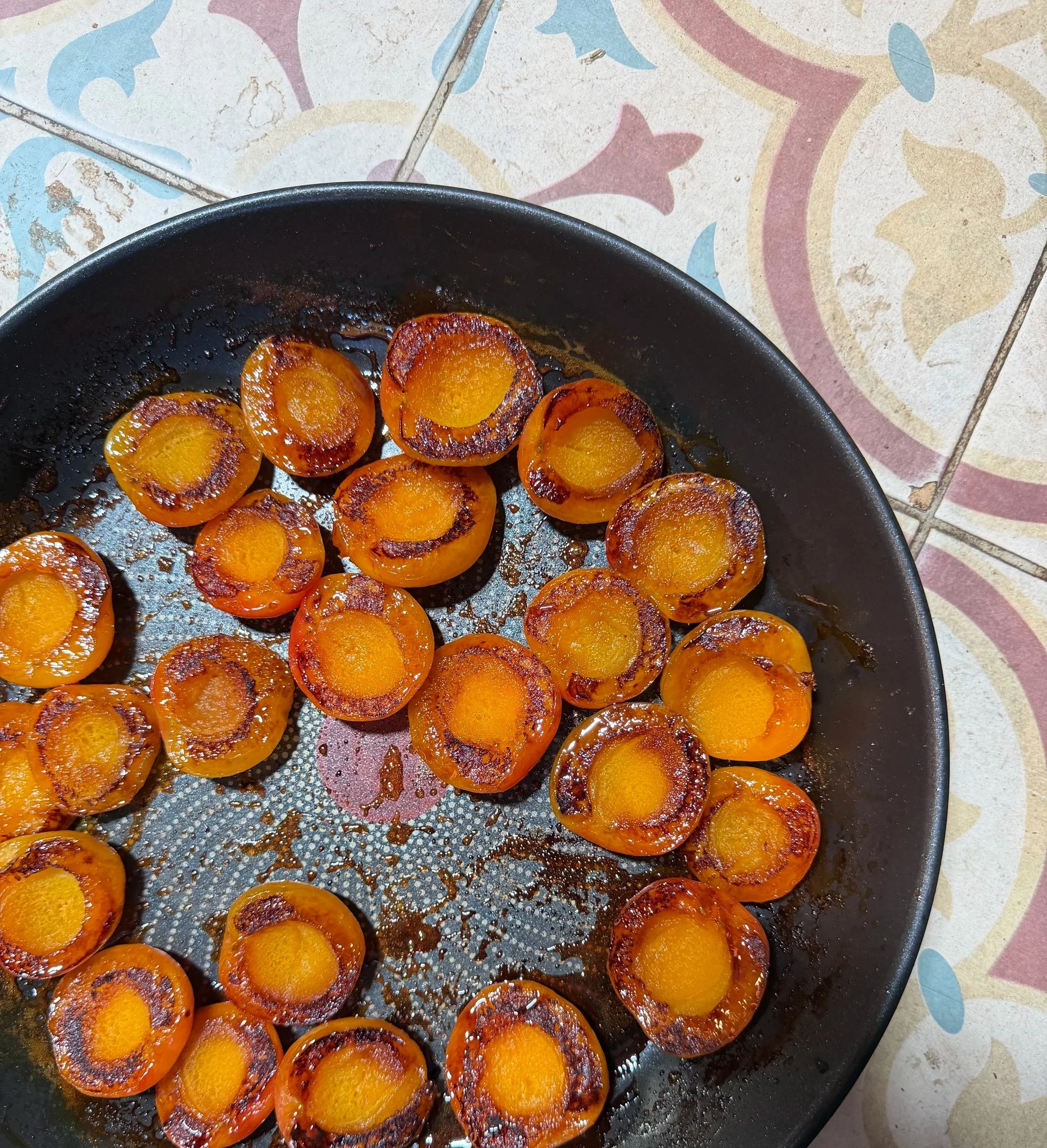
The final touch is the caramelized apricots. Melt a generous knob of butter in a frying pan over medium heat and arrange your halved garden apricots cut-side down. Sprinkle over a spoonful of sugar and leave them undisturbed until they become beautifully caramelized with lightly charred edges. Pour in a splash of brandy and allow it to simmer for a minute or two until it reduces into a rich, sticky syrup that coats the fruit. If you prefer an alcohol-free version, simply replace the brandy with apricot juice or orange juice for a similar fruity glaze.

To assemble the tart, spoon the chilled vanilla pastry cream evenly into the cooled pastry shell and smooth the surface with the back of a spoon or an offset spatula. Arrange the warm caramelized apricots on top in any pattern you like, then drizzle over every last drop of the glossy brandy syrup. Garnish with a little grated lemon zest, toasted sliced almonds, or a few fresh mint leaves if desired. Serve slightly chilled or at room temperature for the best flavour and texture. Any leftovers can be refrigerated for up to two days, although the tart is at its finest on the day it is assembled.

The Great Fernet Face-Off: Can an English Upstart Topple the Original Fernet Branca?

No drink is more closely associated with Córdoba than fernet con coca. While Fernet-Branca was first created in Milan, Italy, in 1845, it has found its true home in Argentina, particularly in the province of Córdoba, where the bittersweet spirit is almost always enjoyed mixed with Coca-Cola. Whether shared at a family barbecue, a football match or a New Year's celebration, a glass of fernet con coca has become a symbol of friendship, hospitality and good company.

At Estancia Los Potreros, New Year's Eve is always a memorable occasion, and this year we decided to put Argentina's favourite drink to the ultimate test.

Against the backdrop of one of our iconic Los Potreros New Year's Eve celebrations - with dinner beneath the stars, a spritz station and plenty of dancing - we organised a blind fernet tasting to discover whether the legendary Fernet-Branca could still claim the crown.

Seven different bottles of fernet were sourced from Argentina and the United Kingdom before being decanted into identical bottles to conceal their identities. Hidden among them was the original Fernet-Branca, leaving guests to rely solely on their taste buds to identify Argentina's most iconic bitter spirit.

The tasting revealed just how much the world of fernet has evolved. While Fernet-Branca remains the benchmark, famous for its bold herbal character and unmistakable minty finish, a new generation of craft producers is bringing exciting interpretations of this historic drink.

Among the Argentine contenders, Fernet Beney reflected the mountain herbs of the Sierras with a robust, earthy flavour, while Nero 53 offered a smoother, more refined style. Búho Negro impressed as a modern fernet designed specifically to pair with cola, and Fernet 1882, another favourite throughout Córdoba, delivered its distinctive citrus-forward profile that has earned it a loyal following across the province.

Perhaps the biggest surprise came from Britannica London Fernet, crafted in England. Rather than the assertive bitterness traditionally associated with fernet, it offered softer woodland botanicals alongside subtle notes of hazelnut and cacao, proving just how versatile this spirit can be.

After a night of celebrations, old friendships renewed and new ones formed, guests gathered once again on New Year's Day for a traditional Argentine asado. As everyone enjoyed a leisurely lunch together, the results of the blind tasting were finally revealed, with two delighted winners correctly identifying the genuine Fernet-Branca from the seven samples.

The competition reminded us that while there may be many excellent fernets to discover, fernet con coca is ultimately about far more than the drink itself. It represents gathering around the table, sharing stories, celebrating milestones and enjoying time with friends and family. At Estancia Los Potreros, that spirit of togetherness perfectly reflects the philosophy we live by: nothing without friendship.

Rosé Malbec of Argentina: Fresh Twist on a Classic

Argentina, a land synonymous with the robust and captivating Malbec, has been quietly cultivating a delightful secret: Rosé Malbec. While the deep, complex reds have long held court, a new wave of vibrant, fresh, and irresistibly drinkable pink wines is emerging, showcasing the versatility and charm of Argentina's signature grape in a whole new light.

Forget everything you thought you knew about Malbec; Rosé Malbec is a revelation. It takes the beloved grape's inherent fruitiness, think ripe red berries, plums, and a hint of spice and transforms it into a lighter, crisper, and wonderfully refreshing experience. Perfect for a warm afternoon, a casual gathering, or simply as a prelude to a delicious meal, these rosés are quickly becoming a must-try for any wine enthusiast.

What makes Argentine Rosé Malbec so special? It's often crafted with a delicate touch, ensuring the vibrant fruit notes shine through without becoming overly sweet. The winemakers carefully control the skin contact during fermentation, allowing just enough time to impart that beautiful pink hue and a gentle whisper of the grape's character. The result is a wine that is both familiar in its Malbec heritage and excitingly new in its expression.

Here are a few of our favourites that perfectly capture the essence of this delightful Argentine trend:

Salentein Rosé Malbec: Hailing from the high-altitude Uco Valley, Salentein consistently delivers quality, and their Rosé Malbec is no exception. It's elegantly structured with bright red fruit aromas, a refreshing acidity, and a smooth finish that leaves you wanting another sip. A sophisticated choice for any occasion.

Crios Rosé of Malbec (Susana Balbo): From the pioneering winemaker Susana Balbo, Crios offers a vibrant and expressive Rosé Malbec. It bursts with notes of fresh strawberries and raspberries, balanced by a zesty acidity. It's a testament to Balbo's expertise, showcasing the grape's youthful exuberance in a beautifully crafted wine.

Posada La Matilde Rosé Malbec: For those seeking something with a touch more artisanal charm, Posada La Matilde offers a Rosé Malbec that truly speaks of its terroir. Expect a lovely balance of red fruit and floral notes, with a crisp, dry finish. It's a wonderful representation of the passion and dedication found in smaller Argentine wineries.

So, next time you're at Los Potreros don't overlook the vibrant allure of Argentine Rosé Malbec. It's a testament to the innovation and dynamic spirit of Argentine winemaking, offering a delicious and refreshing take on a beloved classic.

Rose on the rocks with views over the Sierras Chicas

Discovering Argentina’s Famous Red Wines

Discovering Argentina’s Red Wines: A Journey Through Malbec and Beyond at Estancia Los Potreros

Argentina is known for many things: breathtaking landscapes, passionate culture, and, of course, its world-class wines. At Estancia Los Potreros, we are proud to showcase some of the best red wines Argentina has to offer, particularly from the famous Malbec grape. Whether you're enjoying a glass by the fire after a day of horseback riding or sharing a bottle over dinner with new friends and our family, our selection is a true reflection of Argentina’s rich wine heritage.

Wine Tasting Set Up at Estancia Los Potreros

At Estancia Los Potreros, we serve carefully selected Malbecs from both well-known estates and boutique organic wineries in Mendoza, allowing our guests to experience the incredible depth and character of the region’s wines. Whether paired with a hearty Argentine steak or a simple, rustic meal, these wines always leave a lasting impression.

A glass of wine, with a slice of cheese
Two glasses of red wine lit up by candlelight

In the heart of Argentina lies our province Córdoba, a region often overlooked but with a long and rich history in wine production. While the region’s modern wines have yet to reach the fame of Mendoza or Salta, Córdoba is quickly becoming a hotspot for organic, sustainable viticulture. The region's wines are characterized by their elegance and balance, with local Malbecs often exhibiting bright red fruit flavors, soft tannins, and a distinct sense of place.

At Estancia Los Potreros, we love showcasing different wines from Córdoba’s organic wineries. These wines often come from small family-owned estates, where traditional farming methods are used to preserve the region’s natural beauty and resources. By supporting these organic producers, we also contribute to sustainable farming practices and encourage guests to enjoy wines that are both delicious and environmentally responsible.