
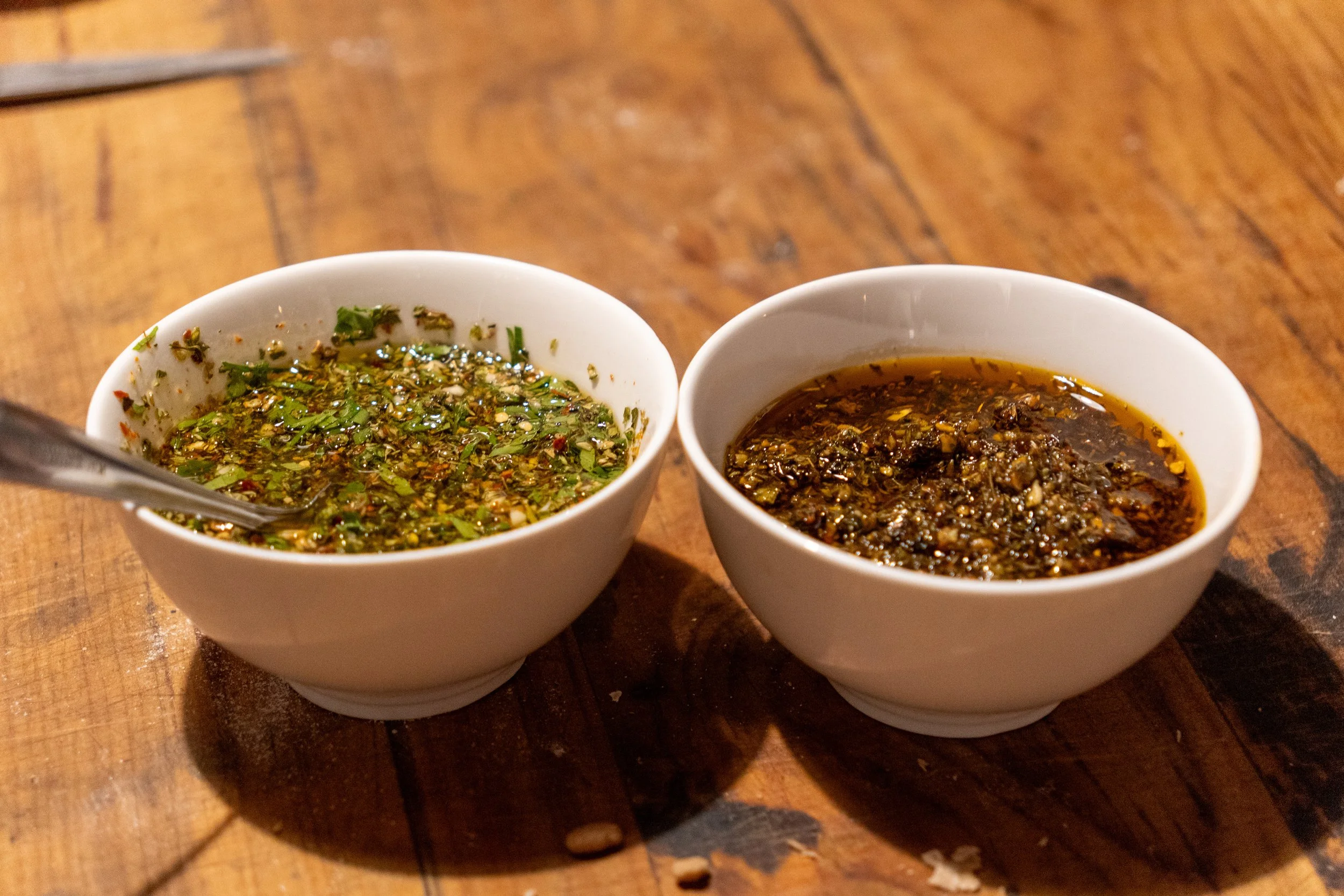
Few condiments are as closely associated with Argentina as chimichurri.
Bright, herbaceous, and full of character, this vibrant green sauce has long been a staple of Argentine cooking. While it is best known as the companion to an asado, chimichurri is far more versatile than many visitors realise. It can transform grilled vegetables, roasted potatoes, fresh bread, and simple garden produce into something memorable.
Like many traditional foods, its appeal lies in its simplicity. Made from everyday ingredients that are often growing just outside the kitchen door, chimichurri is a celebration of fresh herbs, good olive oil, and the pleasure of sharing food outdoors.
A Sauce with Mysterious Origins
The exact origins of chimichurri remain a topic of debate.
One popular story claims the name came from an Irishman named Jimmy McCurry who fought alongside Argentine forces during the nineteenth century and whose name was gradually transformed into "chimichurri." Another theory links the word to Basque settlers or to a blend of Spanish phrases used by immigrant communities.
While historians continue to debate its true origins, there is little doubt that chimichurri emerged from the cultural melting pot that shaped modern Argentina. Influences from Spanish, Italian, Basque, and other European immigrant communities helped create the food traditions that define the country today.
More Than a Sauce for Meat
Although chimichurri is most commonly served with grilled beef, its uses extend far beyond the asado.
In many Argentine homes it is used to accompany:
Grilled vegetables
Roasted pumpkin and sweet potato
Barbecued corn
Fresh tomatoes
Potatoes
Sandwiches
Empanadas
Crusty bread
Its fresh acidity and herbal flavour bring balance to rich foods while adding brightness to simple dishes. For gardeners, it is often a natural way to use an abundance of parsley and oregano during the growing season.
A Reflection of the Garden
One of the reasons chimichurri remains so beloved is its connection to the kitchen garden.
Parsley grows readily throughout much of Argentina, oregano thrives in the warm climate, and garlic is a staple crop in many vegetable patches. Together they create a sauce that reflects the flavours of the season.
Many families have their own version, passed down through generations. Some add fresh chilli, others prefer dried oregano, while some include a touch of lemon or extra vinegar.
Like all great traditional foods, there is no single correct recipe only family traditions and personal preferences.
The Spirit of the Asado
Chimichurri is inseparable from the Argentine asado.
Just as important as the food itself is the ritual that surrounds it: gathering with friends and family, cooking slowly over fire, sharing stories, and spending hours around the table.
A bowl of chimichurri sitting beside the grill is a familiar sight at these gatherings. It represents hospitality, generosity, and the simple pleasure of eating together.
A Taste of Argentina
For many visitors, chimichurri becomes their first introduction to Argentine flavours. For locals, it is something much deeper a taste of home. It is fresh yet robust, simple yet full of character, and deeply connected to both the land and the traditions of those who cultivate it. Whether spooned over vegetables from the garden, served alongside a barbecue, or enjoyed with a piece of warm bread under the shade of a tree, chimichurri captures the essence of Argentine cooking: simple ingredients, shared generously, and enjoyed in good company.