
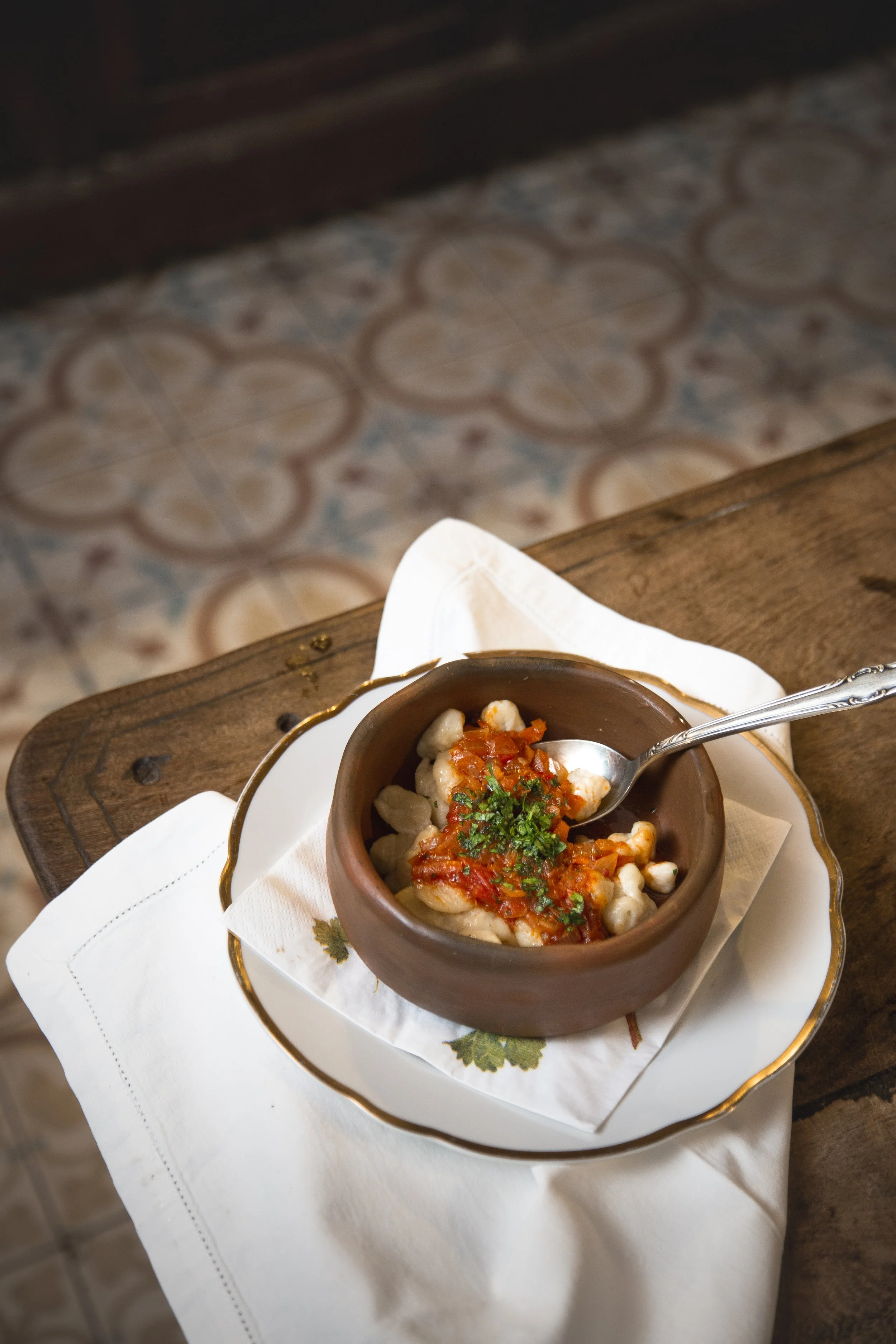
If you find yourself in Argentina on the 29th day of the month, you may notice something curious appearing on family tables, restaurant menus, and social media feeds alike: gnocchi.
Known locally as ñoquis del 29, this beloved tradition is one of the country's most enduring culinary customs. More than just a meal, it is a ritual that connects generations, celebrates heritage, and carries with it a hopeful wish for prosperity in the month ahead. Like many of Argentina's most cherished foods, the tradition of eating gnocchi on the 29th has its roots in Italian immigration.
Between the late nineteenth and early twentieth centuries, millions of Italians arrived in Argentina, bringing with them their language, customs, and recipes. Among these was gnocchi, the humble potato dumpling that became a staple in homes across the country.
Over time, the dish became woven into Argentine culture, evolving from an Italian comfort food into a uniquely Argentine monthly ritual.
The origins of the tradition are often linked to a legend about Saint Pantaleon, a Christian healer who travelled through northern Italy during the eighth century.
According to the story, the saint was welcomed by a poor farming family and shared a simple meal of gnocchi with them. Before leaving, he predicted a year of abundant harvests and prosperity. When the family later discovered coins beneath their table, the meal became associated with good fortune and abundance.
Another, more practical explanation reflects the realities of immigrant life. By the 29th of the month, many working families were nearing payday and household budgets were often stretched. Gnocchi, made from inexpensive ingredients such as potatoes and flour, provided an affordable and filling meal.
Whether rooted in legend or necessity, the tradition endured.
Perhaps the most distinctive part of the custom is the placing of money beneath the plate of gnocchi.
Many Argentines tuck a banknote under their plate before eating, believing it will attract prosperity and financial good luck in the coming month. Some keep the note in place throughout the meal, while others carry it in their wallet afterward as a symbol of abundance.
For many families, it is a playful ritual, but one that is observed with surprising consistency.
What makes ñoquis del 29 special is not simply the dish itself. It is the sense of continuity that accompanies it.
Grandparents pass the tradition to grandchildren. Families gather around the table. Restaurants create special menus. Friends send one another reminders as the 29th approaches.
In a fast-paced world, these small rituals provide a connection to the past and a reason to pause and share a meal together.
Argentina is a country rich in culinary traditions, but few are as universally recognised as eating gnocchi on the 29th.
Whether motivated by luck, family history, nostalgia, or simply a love of good food, millions of Argentines continue the practice month after month.
It serves as a reminder that food is often about much more than nourishment. It carries stories, memories, hopes, and traditions that connect us to those who came before us.
So if you happen to be in Argentina on the 29th, don't be surprised to see a plate of gnocchi on the table—and perhaps a banknote tucked discreetly underneath.