Winter leaves our fruit trees dormant, waiting quietly for spring and the first rains of the year. Then everything changes at once. By summer the estancia is bursting with produce, from wild asparagus sprouting across the hills to an orchard heavy with fruit. Our approach to all of it comes down to three words: pick, prepare, preserve. Our chefs spend the summer finding new ways to capture the harvest so it carries us through the winter ahead.
Building on What We've Learned in the Kitchen
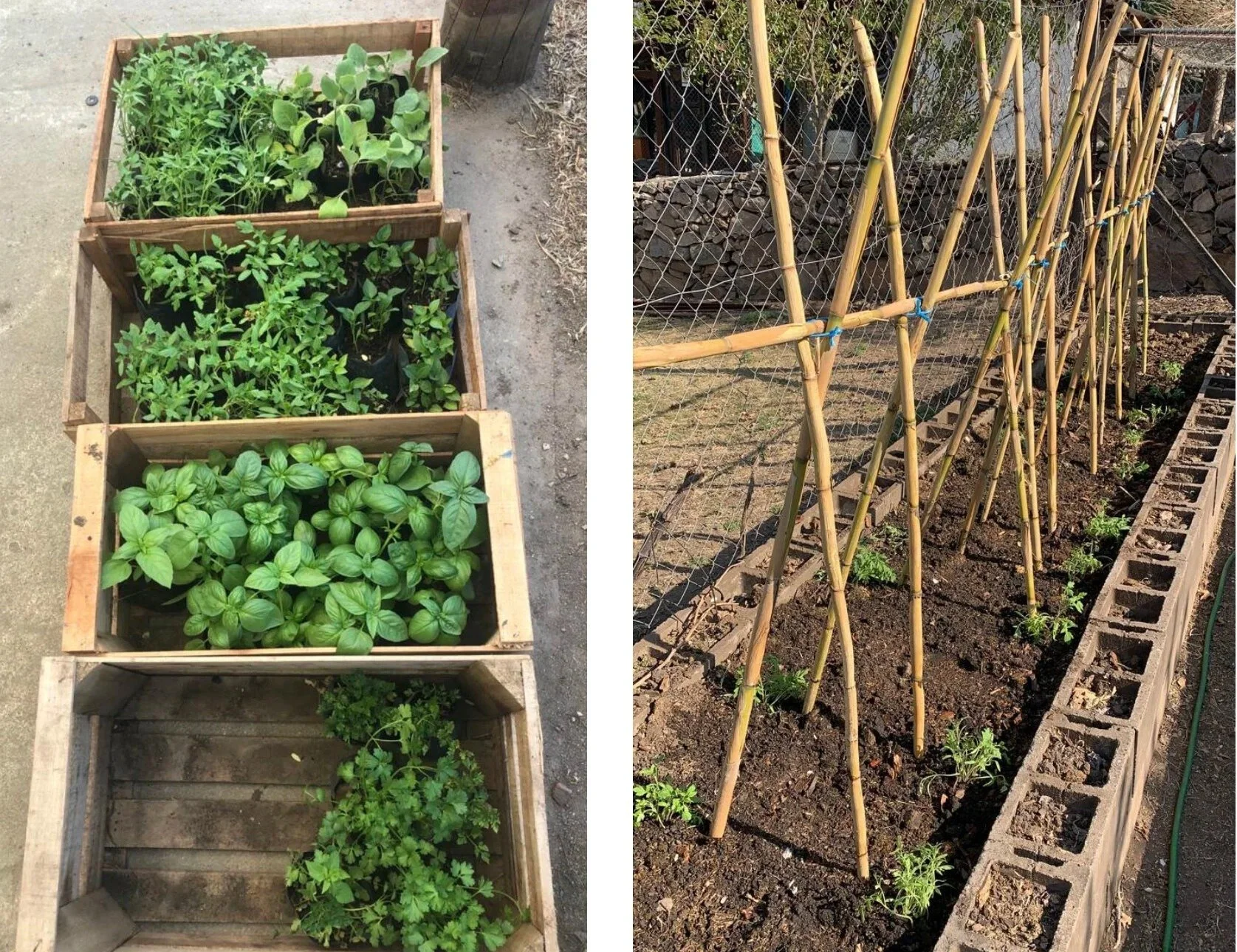
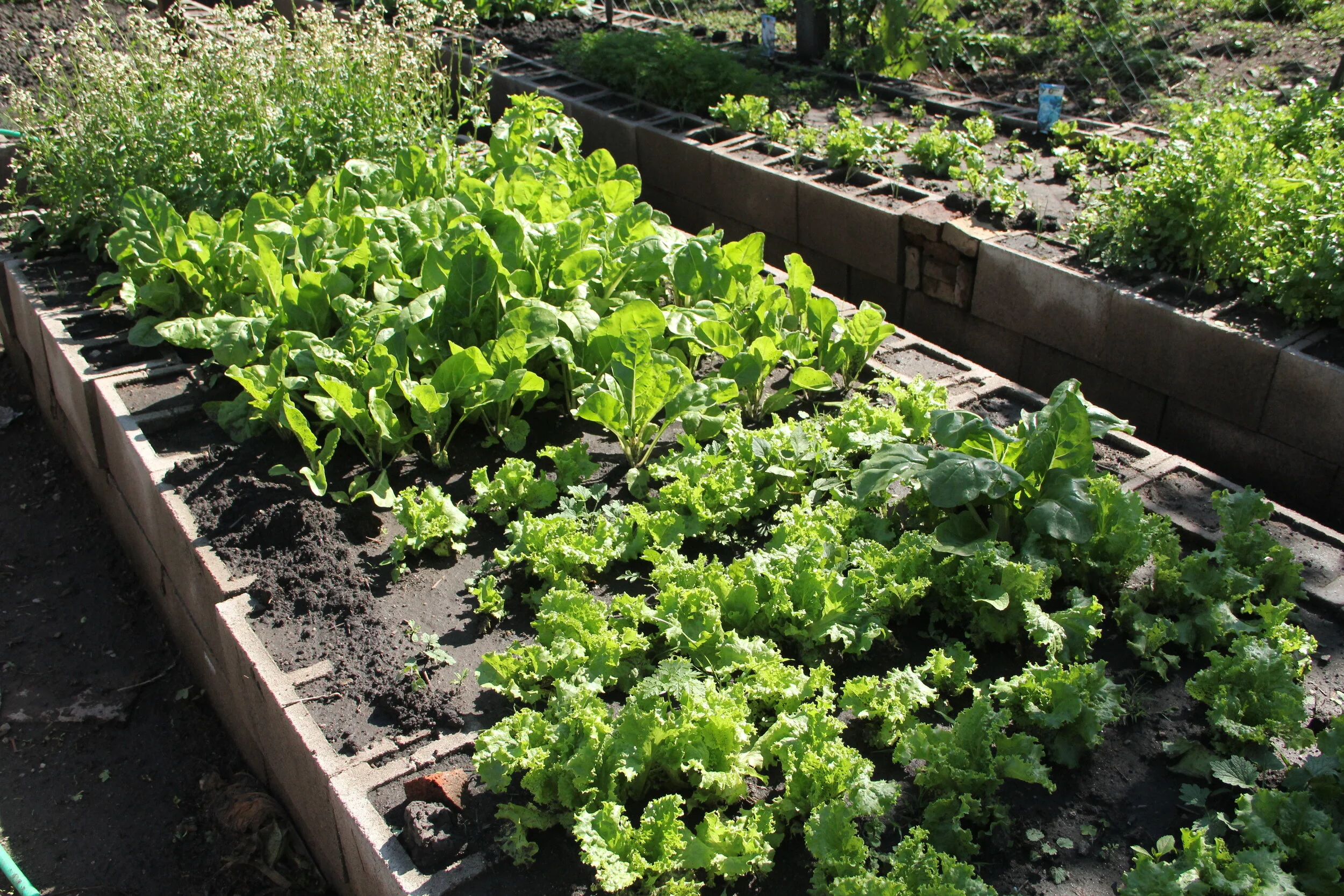
We've written before about smoking our own meat, which has become a real success and one more step towards a more self-sufficient kitchen. Vegetables get the same treatment: we pick, preserve them in flavoured oils and turn the surplus into jams, jellies and chutneys. A bumper crop of aubergines becomes escabeche, a traditional pickled antipasto finished with chilli flakes, garlic and bay leaf.
From the Orchard at Loza to the Pantry Jar
The orchard at Loza gives us plums, peaches, apricots and wild cherries in abundance. We fill jars with wild cherries and sugar to start a batch of guindado, a cherry liqueur that's ready after three months. It's traditionally made with brandy, but our estancia recipe has always used locally made gin.
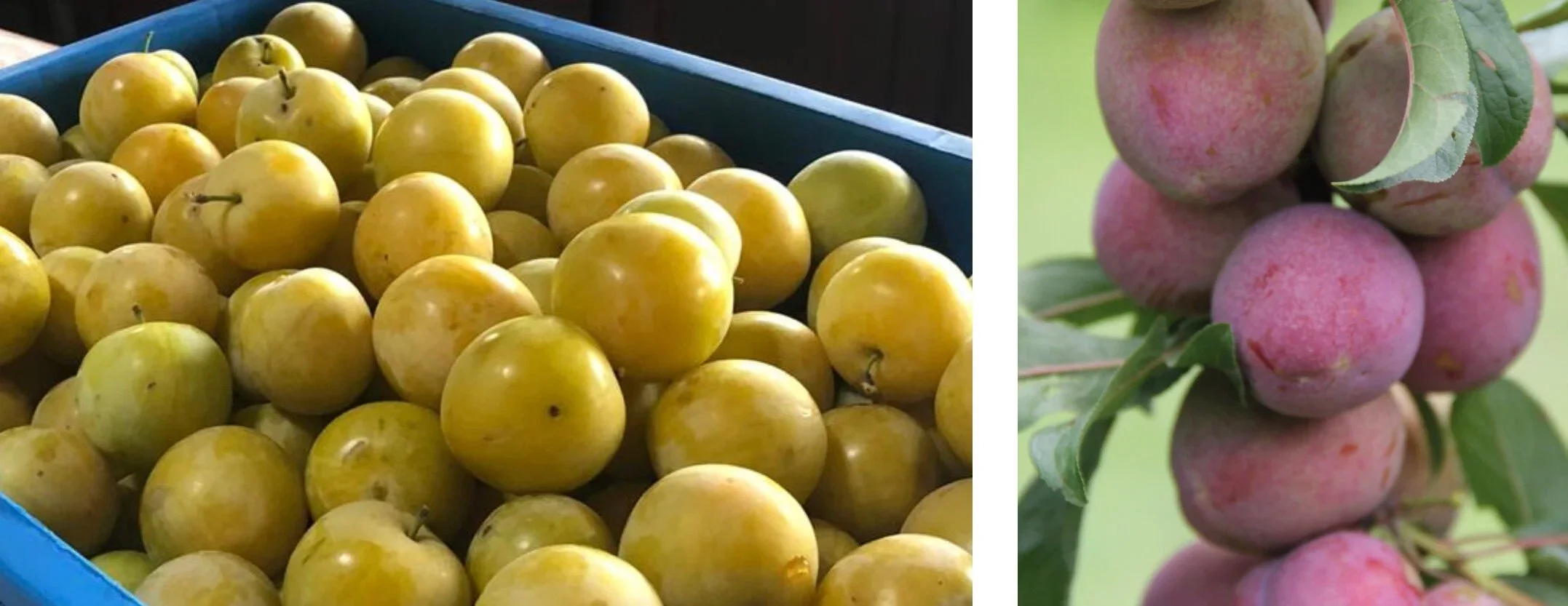
The soft fruit goes into jams, is poached in red wine and amaretto, or becomes compotes for topping fresh yoghurt. We forage mirabelles, a sweet yellow plum, from the trees near the waterfall, and the apples from Los Melados become jar after jar of jam.
As summer stretches on, the figs ripen everywhere from the cattle station to the garden at Potrero de Niz. Sweet on their own, they also pair beautifully with cheese and meat, so alongside fig jam and chutney we like to make honey-poached figs with orange and spices from the last of the harvest.
Quince: The Last Fruit of the Orchard to Ripen
Quince is always the last to ripen. You know it's ready when the fruit turns a deep golden yellow and gives off its floral scent. Taking a lead from the Mediterranean, we cook some of the quinces in a sweet syrup to serve over homemade yoghurt or fresh cheeses like labneh, something Kevin has been perfecting in the kitchen.
Nothing says Argentine tradition quite like quince jelly and membrillo, made together in one process. First the fruit is boiled with sugar until the colour deepens from pale yellow to a rich reddish pink. Then, following a method passed down from Louie Begg, we strain it through a sieve rigged from an upturned chair with a tea towel tied around its legs, separating the clear jelly from the thicker quince paste, the membrillo.
Walnuts, Topinambur and the Months Ahead
As autumn arrives, the walnuts start falling from the trees and the topinambur, or Jerusalem artichokes, are ready to dig up and store for winter. There's always something to harvest and a new way to preserve it, and we love finding ways to use what the land gives us and waste less, season after season.