Seasonal

A Taste of Los Potreros: Homemade Granola

There's no better way to start the day than on the veranda with homemade yoghurt, granola and fresh fruit. The atmosphere around the breakfast table is always a special one, the air full of excitement for the day ahead after a peaceful night's sleep. Here is our simple granola recipe - a firm favourite at breakfast on the estancia.

Why We Make Our Own Granola at Los Potreros

Like almost everything in our kitchen, our granola is made from scratch. Baking it ourselves means we know exactly what goes into it, we can toast it just the way we like it, and the kitchen fills with the smell of oats, honey and cinnamon. A big batch keeps well in an airtight jar, so there's always some ready for breakfast. It only takes a few minutes to mix together, and the oven does the rest while you get on with your morning.

Ingredients for Our Homemade Estancia Granola

  • 415g oats

  • 100g honey

  • 100g almonds

  • 50g sugar

  • 1 tsp cinnamon

  • 120g melted butter

How to Make It: Method and a Few Simple Tips

  1. Preheat the oven to 160°C.

  2. Add all the ingredients to a large mixing bowl and stir well, until the oats are evenly coated in the butter and honey.

  3. Spread the mixture over a baking tray, pressing it down, and bake for 35-45 minutes until golden brown, stirring every 10-15 minutes so the edges don't catch.

  4. Leave it to cool completely on the tray - it crisps up as it cools - then store it in an airtight container.

If you like big clusters, press the mixture down firmly and stir a little less often. For a looser granola, stir more.

Serving It the Los Potreros Way at Breakfast

At the estancia we serve it with homemade yoghurt and whatever fruit the orchard is giving us: apricots in spring, plums, peaches and mirabelles in summer, and figs as the season turns. A spoonful of fruit compote or a drizzle of honey on top never goes amiss. To make it your own, stir in a handful of seeds or some dried fruit once it has cooled.
Salsa Criolla: A Fresh Argentine Kitchen Staple

Salsa criolla is a sauce that originated in Peru but has become incredibly popular within Argentine cooking. It's fresh and tangy, making it the perfect accompaniment to many beloved Argentine dishes. Quick and simple to make, and composed of ingredients you'd find in almost every kitchen, it's a staple in households across Latin America.

It's the perfect way to elevate a dish - whether that's steak, grilled vegetables, or simply enjoyed with tortilla chips. It can be adapted and adjusted to suit different tastes, and every family seems to have their own version, some heavier on the chilli, others leaning more towards vinegar or fresh herbs. There's no single "correct" way to make it, which is part of why it's traveled so well across the continent and found a permanent home on Argentine tables.

Like so much of Argentine cuisine, salsa criolla tells a story of movement and adaptation. Peru's version tends to lean more heavily on lime and fresh chilli, often served alongside ceviche or anticuchos, but as it crossed into Argentina it found a new purpose entirely, becoming the quiet companion to the country's most famous export: the asado. The vinegar-forward Argentine version we know today is a little different from its Peruvian ancestor, but the spirit is the same. A handful of humble ingredients, chopped and combined, turned into something far greater than the sum of its parts.

What makes salsa criolla such a natural fit for Argentine cooking is its role at the parrilla. Where chimichurri tends to get all the attention, salsa criolla brings something different to the table, a brightness and crunch that cuts through the richness of grilled beef in a way that feels essential once you've tried it. It's the kind of sauce you don't think much about until you're eating a steak without it, and then you notice exactly what's missing. The raw onion and pepper give it bite, the tomato adds a little sweetness, and the vinegar ties it all together with a sharpness that wakes up your palate between bites of meat.

In our kitchen at Los Potreros, it's become one of those quiet staples that appears alongside almost everything that comes off the grill. It takes minutes to put together, keeps well in the fridge for a few days, and somehow always tastes better the second day, once the onion has softened slightly and the flavours have had a chance to properly mingle. We've served it alongside slow-cooked asado, spooned over grilled vegetables from the garden, and even scooped up with tortilla chips as a simple snack before dinner. It's the kind of recipe that never quite leaves the rotation, because it works with almost anything.

Part of the appeal is how forgiving it is. If you don't have red wine vinegar, white wine vinegar or even a squeeze of lime will do the job. If chilli flakes aren't to your taste, leave them out, or add more if you like a bit of heat. The measurements below are really just a starting point. Once you've made it a few times, you'll find yourself adjusting it by eye and taste, the way most good simple recipes end up being made.

Here's the recipe for how we like to make it. It's simple enough to memorise after the first go, and forgiving enough that you can adjust the quantities to taste without worrying about getting it wrong.

This vibrant, tangy sauce is one of the easiest ways to bring an authentic touch of Argentine flavour to your table, and pairs beautifully with grilled meats and vegetables straight off the parrilla. Whether you're recreating a taste of the estancia at home or simply looking for a fresh, easy sauce to brighten up your next barbecue, salsa criolla is well worth adding to your repertoire.

Fresh Fruit Grilled on the Parrilla

Grilled Fruit, the Perfect End to an Argentine Asado

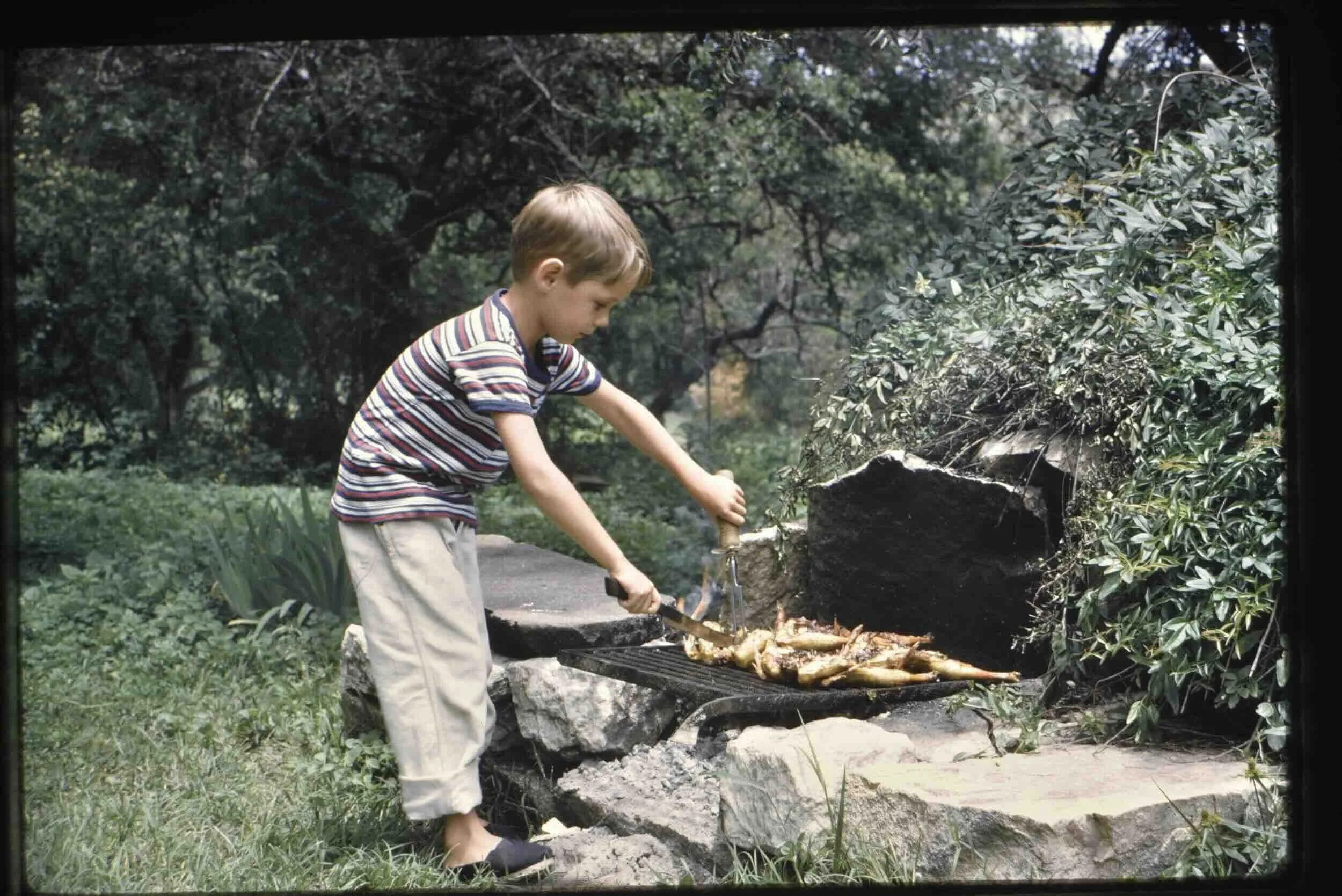
A Sunday asado is a sacred ritual within Argentine culture. And who are we to go against this age-old tradition? There is nothing better than a long lunch in the garden under the trees with multiple cuts of beef, plentiful platters of charred fresh vegetables and an abundance of chimichurri. It is a special time, and often a highlight of the week.

Whilst sharing a drink before sitting down for lunch, it is a great moment to gather around the parrilla and marvel at what is about to come. But what is placed on the grill afterwards, when everyone is sitting enjoying the main course, is arguably just as exciting.

It is something so simple, and seems obvious once you know about it, but it doesn't seem to have hit the mainstream yet. And that is grilled fruit. Whether it's a peach, pear or banana, it is spectacularly delicious and the perfect end to any great asado.

The great joy of this is that it is so easy to replicate - all you have to do is place the fruit on the grill and let it char until it is golden and beautifully caramelised. To elevate this dish, you can marinate the fruit beforehand in some mint and sugar. At Los Pots it is served with azúcar mascabo, a dark unrefined cane sugar that melts beautifully into the hot fruit, and some cream to pour on top.

It is a massive crowd pleaser and a great way to enjoy local fresh fruit and make the most of the barbecue.

How to Grill Fruit on the Parrilla at Home

  1. Choose fruit that's ripe but still firm. Peaches, nectarines, pears, figs, pineapple and bananas all work well.

  2. Halve stone fruit and take out the stone, and cut pears in half. Bananas can go on whole in their skins.

  3. If you like, toss the fruit in a little sugar and chopped fresh mint and leave it for 20 minutes.

  4. Once the meat comes off, put the fruit cut side down over medium embers. Leave it for 3-5 minutes, until it has golden char lines, then turn it and cook for a few minutes more until soft.

  5. Serve warm with a sprinkle of azúcar mascabo and a jug of cream.

Making the Most of the Fruit on Our Estancia

Our fruit trees set the menu. Apricots arrive first in spring, then the orchard fills up through the summer, and figs and quinces carry us into autumn. Grilled fruit is one of our favourite ways to enjoy whatever is ripe on the day, and anything we can't eat fresh goes into jams and preserves, like our fig jam. You can read more about how we use each harvest in summer in the Los Pots kitchen.

The Kitchen at the Heart of Estancia Los Potreros

The Kitchen at the Heart of Estancia Los Potreros

We have been welcoming guests to Los Potreros (The Enclosures) since the 1940s and our kitchen provides everyone who stays here with an insight into the delights of Argentine cuisine. Visitors discover the art of making and savouring traditional mate tea, the secrets to getting the best flavours from Argentina’s famous beef, and the family recipes behind the sumptuous cakes that are baking continuously in the original wood-burning oven. The kitchen is, without a doubt, the heart and soul of the estancia.The pleasures of Argentine food are also extended to the outdoors, with guests enjoying their meals under the shade of the verandah or a nearby tree. Their friendly chatter over the dining table is accompanied by the lively chirping of monk parakeets in the branches above.

Sweet and Simple Fig Jam Recipe

This easy fig jam makes the most of the figs that ripen across the estancia at the end of summer. It's perfect spread on toast, served with cheese, or used in your favourite desserts, and it's simple enough for first-time jam makers.

Figs From Every Corner of Estancia Los Potreros

As summer stretches on, figs appear everywhere, from the trees at our cattle station and the garden at Potrero de Niz to a few secret bushes by the swimming pool. Sweet on their own, they also pair beautifully with cheese and meat, which is why so many of them end up in jars of jam and chutney. Making jam is our way of keeping a taste of late summer on the table through the colder months ahead.

Ingredients for Our Simple Homemade Fig Jam

Makes 3 jars

  • 1kg figs, stems removed and cut into 1cm pieces, skin on

  • 350g caster sugar

  • 60ml lemon juice

  • 120ml water

  • 2 tbsp fresh lemon juice

How to Make Our Fig Jam, Step by Step at Home

  1. Put the figs and sugar in a heavy-based saucepan.

  2. Heat on a medium heat for 15 minutes, stirring now and then, until the sugar has almost dissolved.

  3. Add the water and both lemon juices and cook for another 30 minutes on the same heat, stirring occasionally.

  4. Spoon into sterilised jars while still hot.

Tip: don't scale the recipe up in the same pan, as it burns very easily.

How to Sterilise and Seal Your Jam Jars at Home

  1. Put the jars (without lids) in a hot oven for 10 minutes.

  2. Take them out one at a time and fill to the top.

  3. Wipe the lids with alcohol and screw them on.

  4. Turn the jars upside down for 24 hours to seal.

How We Serve Fig Jam on the Estancia Table

At breakfast it goes on fresh bread and toast. At lunch it sits on the cheese board, and it's lovely with cold meats too. Kept in a cool, dark cupboard, an unopened jar will see you through to next summer's figs.

Quince Jelly and Dulce de Membrillo

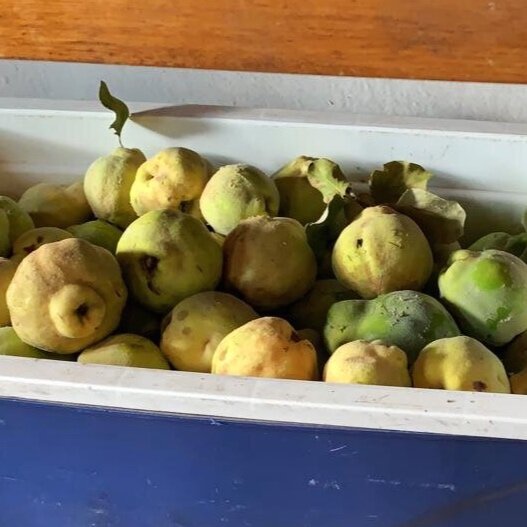
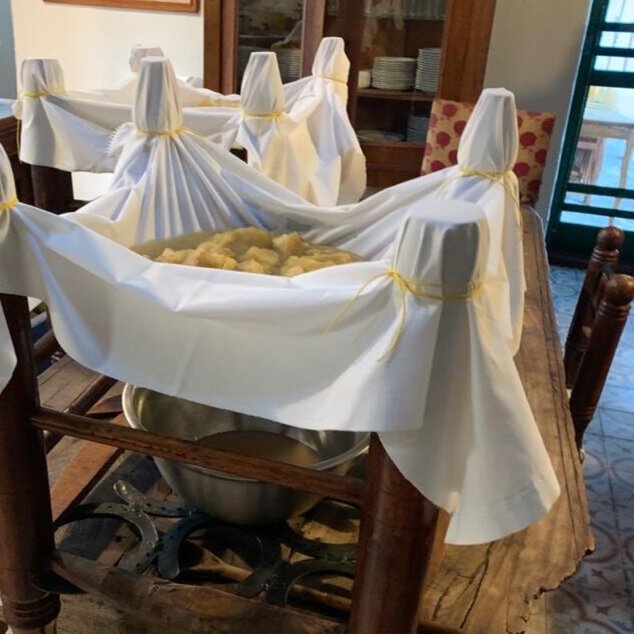
Inside all bakeries in Argentina, there are glass display cases overflowing with coconut-rimmed tarts filled with glistening, red jam. These are all made using 'dulce de membrillo’, which is a quince paste.  The Begg’s fondly remember their grandmother, making quince jelly and paste at Potrero de Niz when they were children. Tying a tea towel around the legs of a chair she would construct a sieve to drain the quince separating the paste from the jelly. Inedible raw quinces look like a cross between a pear and a golden apple, once cooked they turn sweet, with a vibrant red colour and have an incredible floral smell and taste. 


Quince Jelly

1.5kg quince, chopped roughly

1 lemon, zest peeled into strips, juiced

900g sugar 


Put the quince and lemon peel and juice in a large, deep saucepan. Cover with water (you'll need about 3 litres) and bring to the boil. 

Reduce to a simmer and cook for 90 minutes until the quince is very soft.

Line a colander with muslin cloth and put over a very large saucepan or heatproof bowl. Tip the quince into the lined colander, cover with a clean tea towel and leave to strain for 4-8 hrs until all the juice has dripped out. 

Keep the pulp for making ‘dulce de membrillo’. Measure out the strained juice and transfer to a large, deep saucepan (the jelly will bubble up high as it cooks). Add 500g sugar for every 600ml juice. Bring to the boil over a low heat, stirring to dissolve the sugar. 

Bring to a rapid bubble and cook until the temperature reaches 105ºC/221ºF on a sugar thermometer. Remove from the heat and ladle into hot sterilized jars and seal.  

Dulce de Membrillo 

Making membrillo is extremely easy. 

Take the quince pulp from the jelly and blend until smooth. Weigh the puree then put it in a large pot. Add an equal amount of granulated sugar to the mixture and place over a low heat. Stir the mixture constantly at first to dissolve the sugar, keep cooking until the mixture becomes thick (approx 1-2 hours). Once the mixture has thickened, it will stick to a wood spoon. 

Line a baking dish or lightly grease before pouring in the quince mixture. Allow the paste to cool, before placing in the oven on the lowest heat, dry the paste out (this can take up to three hours, if it has not set keep it in the oven checking it regularly). The surface should be glossy and not sticky to touch. Put the dish in the fridge and refrigerate overnight. 

Summer in the Los Pots Kitchen: Argentine Preserves

Winter leaves our fruit trees dormant, waiting quietly for spring and the first rains of the year. Then everything changes at once. By summer the estancia is bursting with produce, from wild asparagus sprouting across the hills to an orchard heavy with fruit. Our approach to all of it comes down to three words: pick, prepare, preserve. Our chefs spend the summer finding new ways to capture the harvest so it carries us through the winter ahead.

Building on What We've Learned in the Kitchen

We've written before about smoking our own meat, which has become a real success and one more step towards a more self-sufficient kitchen. Vegetables get the same treatment: we pick, preserve them in flavoured oils and turn the surplus into jams, jellies and chutneys. A bumper crop of aubergines becomes escabeche, a traditional pickled antipasto finished with chilli flakes, garlic and bay leaf.

From the Orchard at Loza to the Pantry Jar

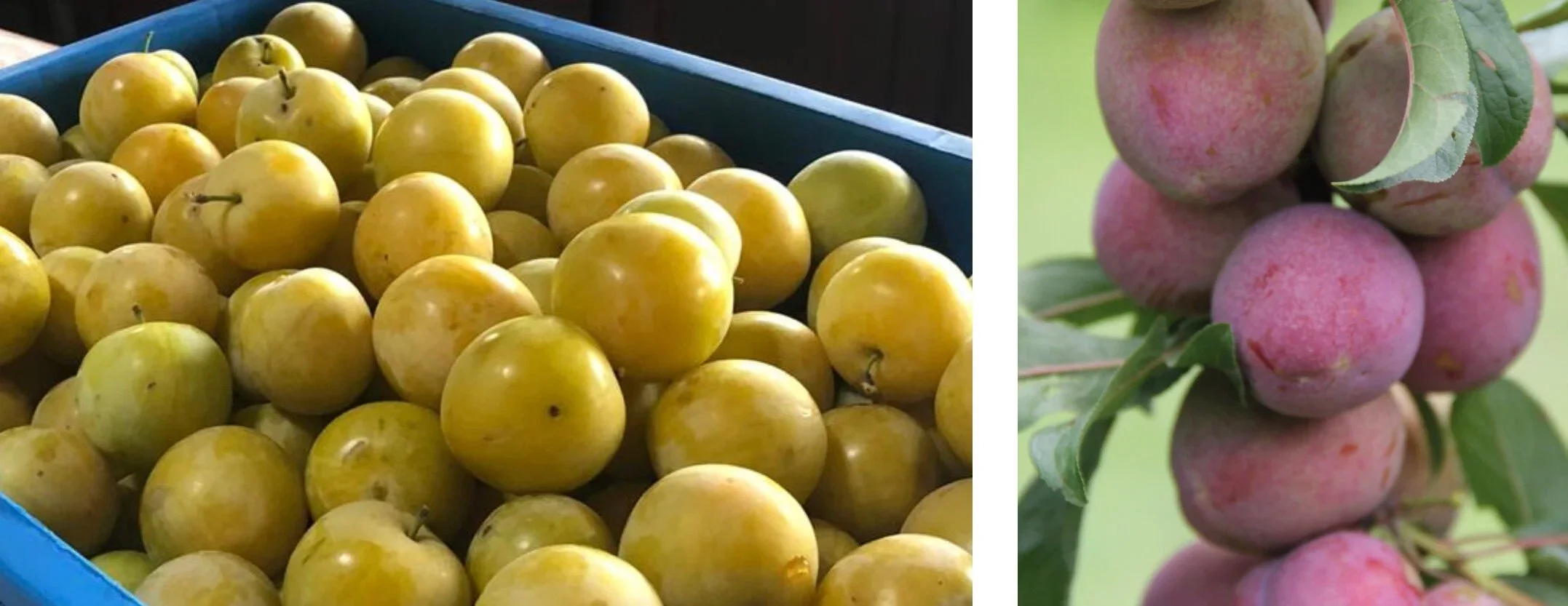
The orchard at Loza gives us plums, peaches, apricots and wild cherries in abundance. We fill jars with wild cherries and sugar to start a batch of guindado, a cherry liqueur that's ready after three months. It's traditionally made with brandy, but our estancia recipe has always used locally made gin.

The soft fruit goes into jams, is poached in red wine and amaretto, or becomes compotes for topping fresh yoghurt. We forage mirabelles, a sweet yellow plum, from the trees near the waterfall, and the apples from Los Melados become jar after jar of jam.

As summer stretches on, the figs ripen everywhere from the cattle station to the garden at Potrero de Niz. Sweet on their own, they also pair beautifully with cheese and meat, so alongside fig jam and chutney we like to make honey-poached figs with orange and spices from the last of the harvest.

Quince: The Last Fruit of the Orchard to Ripen

Quince is always the last to ripen. You know it's ready when the fruit turns a deep golden yellow and gives off its floral scent. Taking a lead from the Mediterranean, we cook some of the quinces in a sweet syrup to serve over homemade yoghurt or fresh cheeses like labneh, something Kevin has been perfecting in the kitchen.

Nothing says Argentine tradition quite like quince jelly and membrillo, made together in one process. First the fruit is boiled with sugar until the colour deepens from pale yellow to a rich reddish pink. Then, following a method passed down from Louie Begg, we strain it through a sieve rigged from an upturned chair with a tea towel tied around its legs, separating the clear jelly from the thicker quince paste, the membrillo.

Walnuts, Topinambur and the Months Ahead

As autumn arrives, the walnuts start falling from the trees and the topinambur, or Jerusalem artichokes, are ready to dig up and store for winter. There's always something to harvest and a new way to preserve it, and we love finding ways to use what the land gives us and waste less, season after season.

Quinces ripening on the trees in the estancia orchard

Farm to Table: Less Waste in Our Kitchen

Farm to Table: Less Waste in Our Kitchen

Every chef across the world, pays close attention to what goes into their food but here at Los Potreros we are also concerned about what our food is doing to the environment. Our chefs have always had a “no waste mentality” and now more than every they are minimizing what they throw out and developing a menu to ensure they can continue to cut down what little waste we still have, throughout the last few months we have begun to test out new ideas with great success.