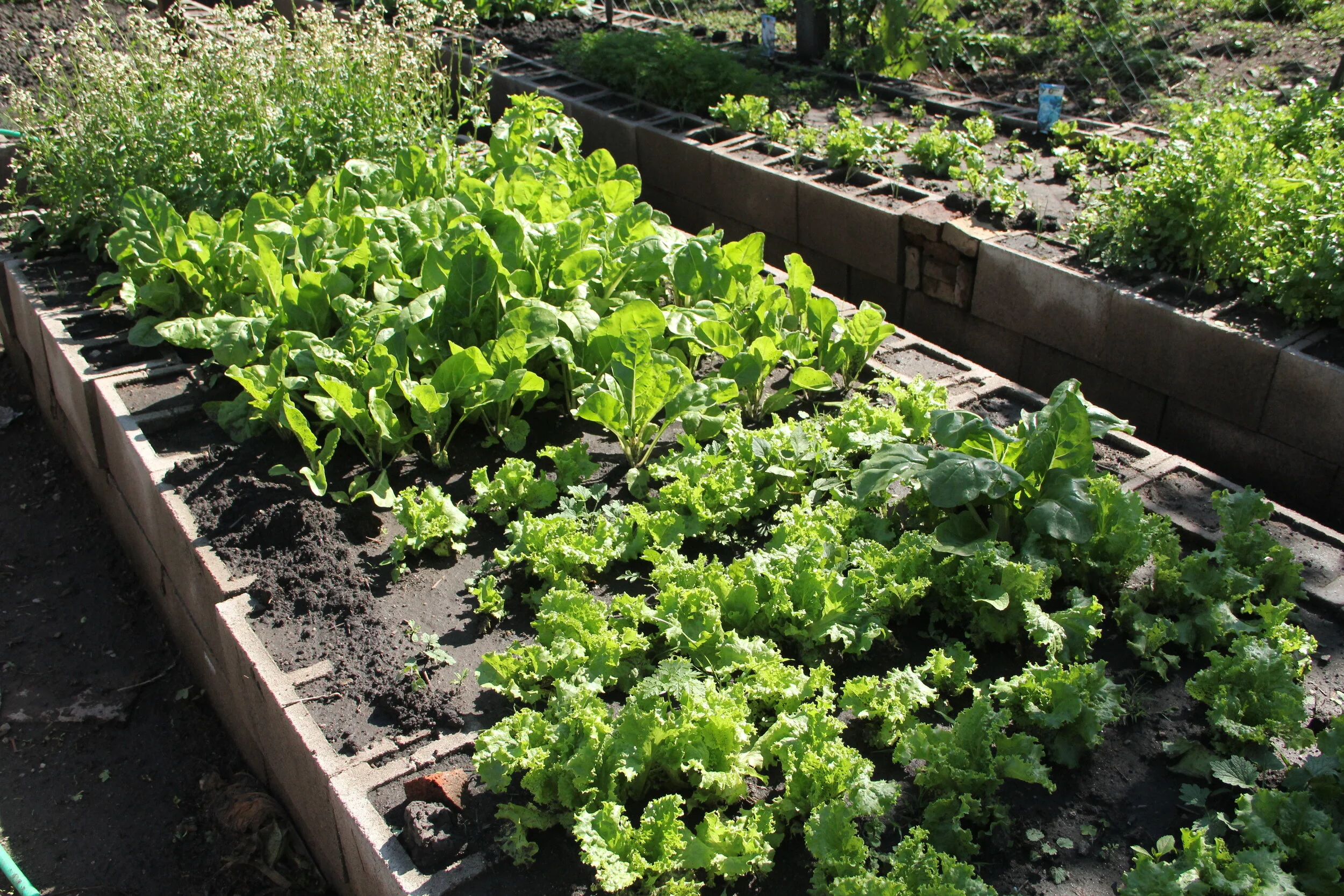
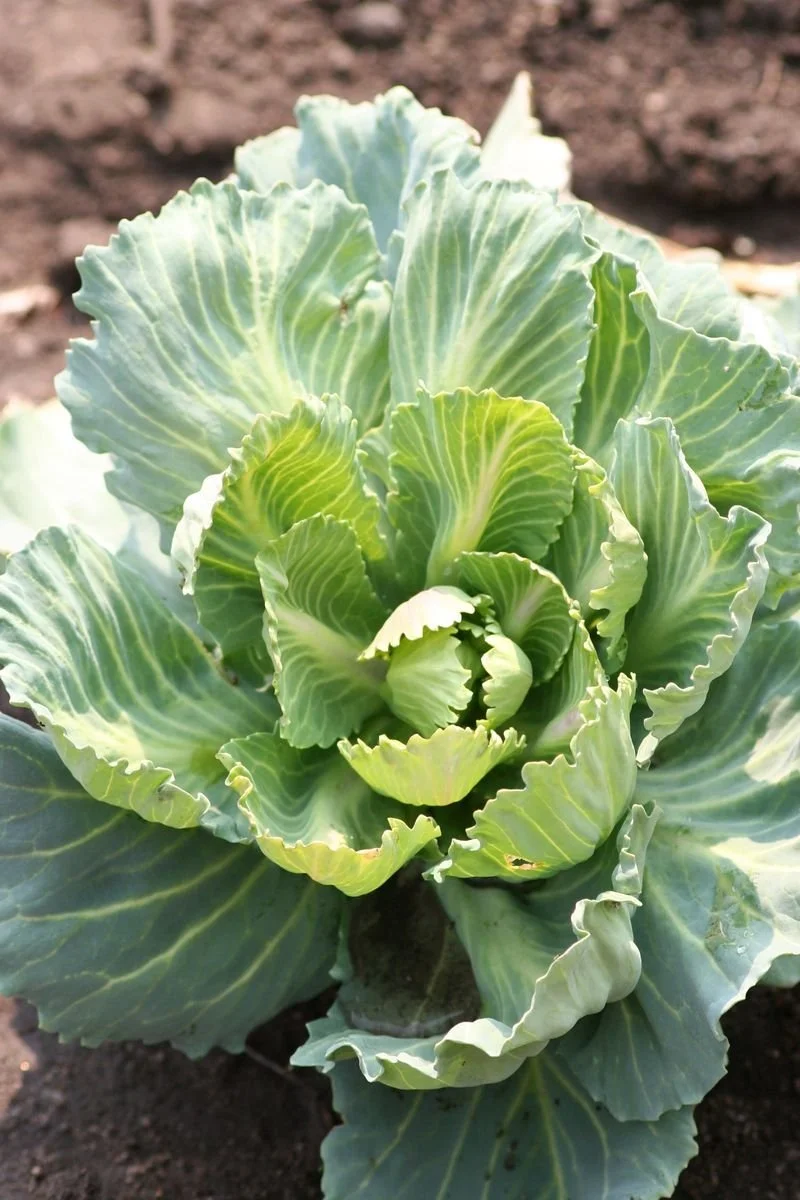
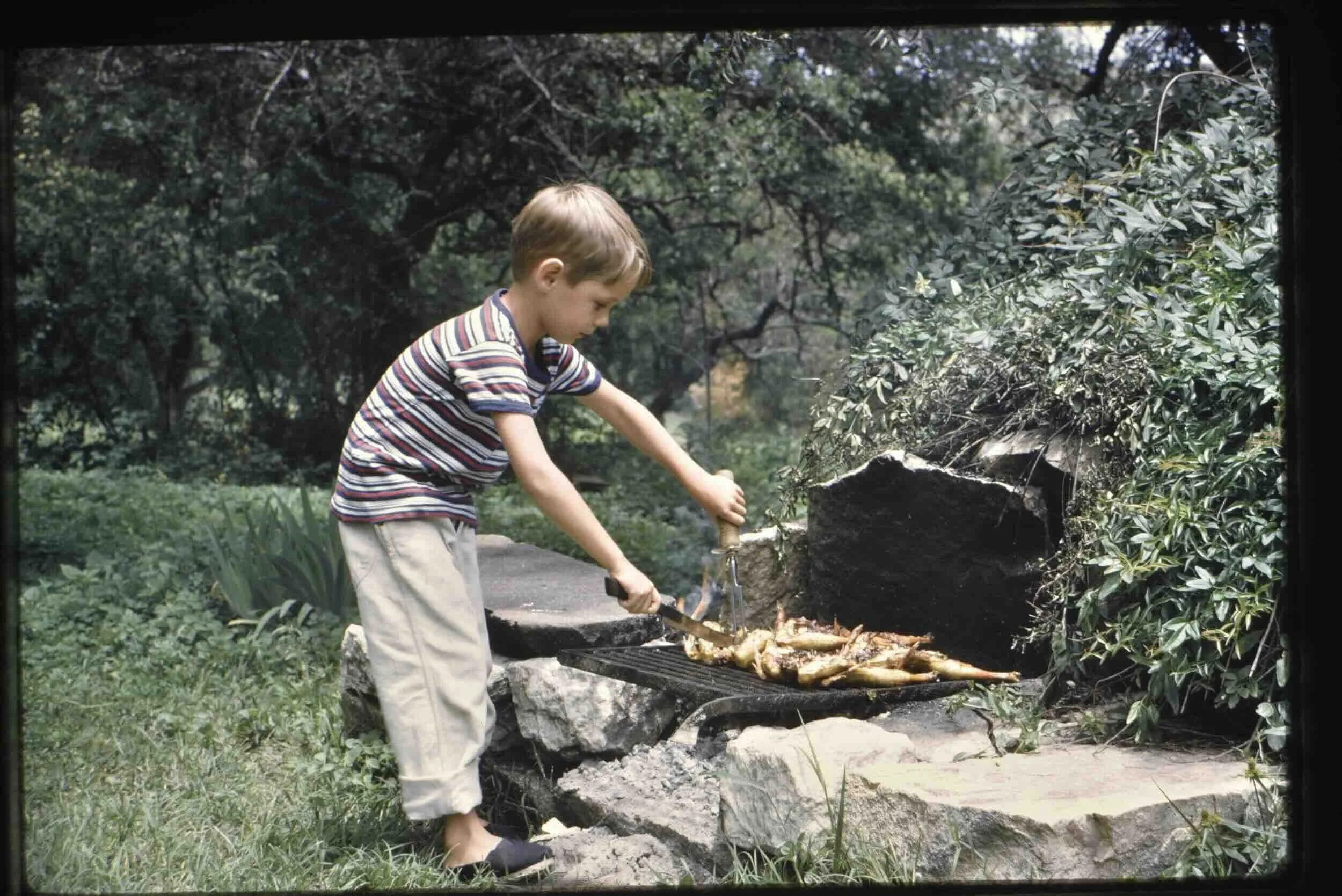
We have been welcoming guests to Los Potreros (The Enclosures) since the 1940s and our kitchen provides everyone who stays here with an insight into the delights of Argentine cuisine. Visitors discover the art of making and savouring traditional mate tea, the secrets to getting the best flavours from Argentina’s famous beef, and the family recipes behind the sumptuous cakes that are baking continuously in the original wood-burning oven. The kitchen is, without a doubt, the heart and soul of the estancia.The pleasures of Argentine food are also extended to the outdoors, with guests enjoying their meals under the shade of the verandah or a nearby tree. Their friendly chatter over the dining table is accompanied by the lively chirping of monk parakeets in the branches above.
Argentine Wine: Malbec, Torrontés and Córdoba
A Taste of Argentina's Wine Country at the Estancia
Argentina is one of the world's great wine countries, and during your stay you're likely to try wines from several of its regions. Vineyards stretch along the foothills of the Andes, where snowmelt, poor sandy soils, a dry climate and year-round sunshine make for ideal growing conditions. Most are planted with European grape varieties, and Malbec and Torrontés in particular have become famous around the world.
Córdoba's Wine History, from Jesuits to Friulians
Córdoba has a wine-growing tradition that goes back centuries. Vines were planted soon after the city was founded in 1573, and the Jesuit estancia at Jesús María had one of the largest wine cellars in the Spanish colony of the River Plate. Local legend has it that a wine from there, christened "Lagrimilla" (little tears), was the first from the Spanish Americas to reach the king of Spain.
Winemaking got a second wind when immigrants from Friuli in northern Italy founded Colonia Caroya in 1878, about 50 kilometres from Córdoba city, in the heart of the old Jesuit country. Their traditions, and even some of their dialect, live on today.
Small Family Wineries Worth Discovering in Córdoba
Córdoba's wines are yet to reach the fame of Mendoza or Salta, but the province is fast becoming one to watch for small, characterful wineries, many of them family-owned. Their wines tend to be elegant and balanced, with a real sense of place, and choosing local producers is a lovely way to support small businesses in our province.
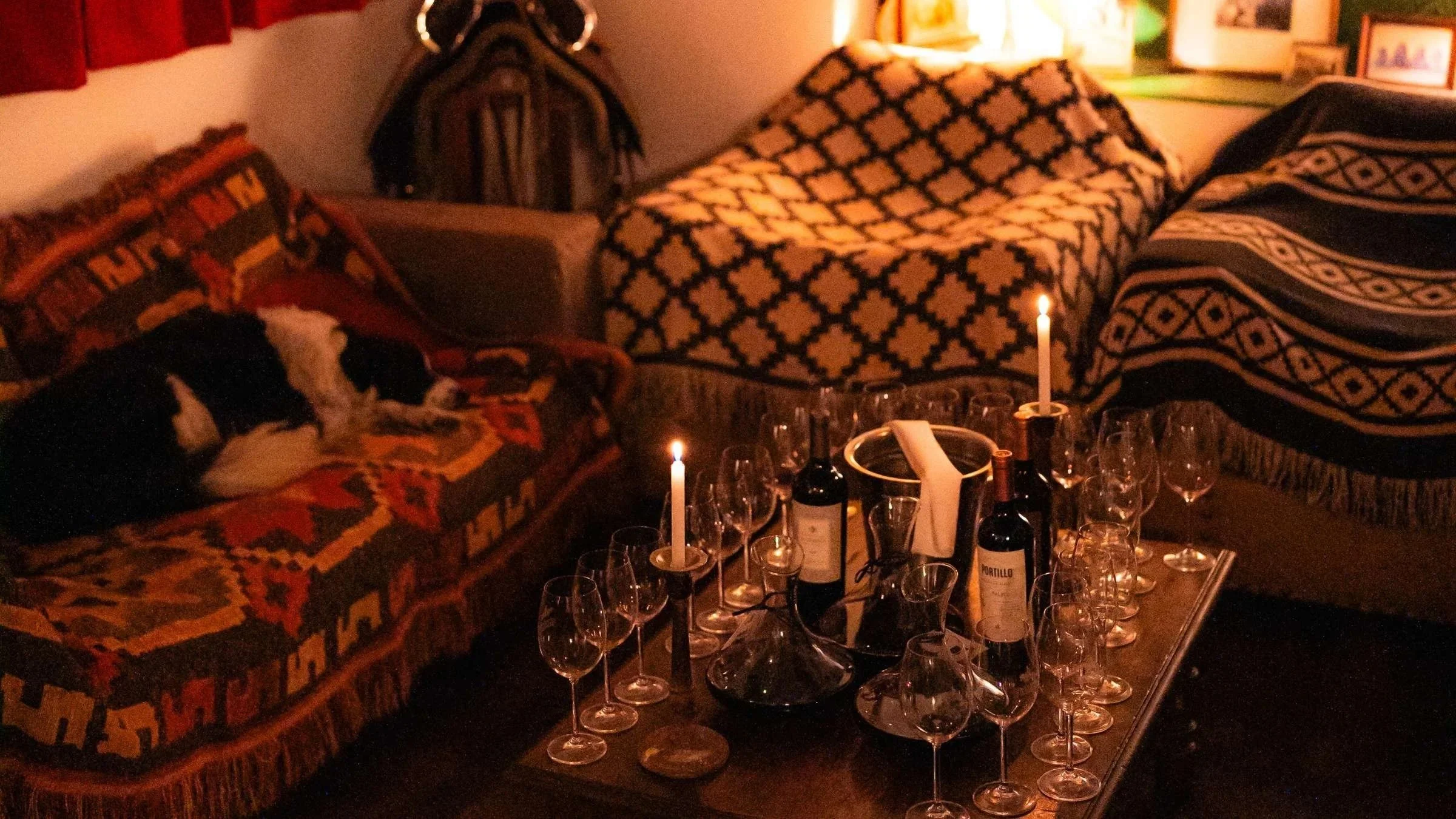
Sharing Argentine Wine Around the Los Potreros Table
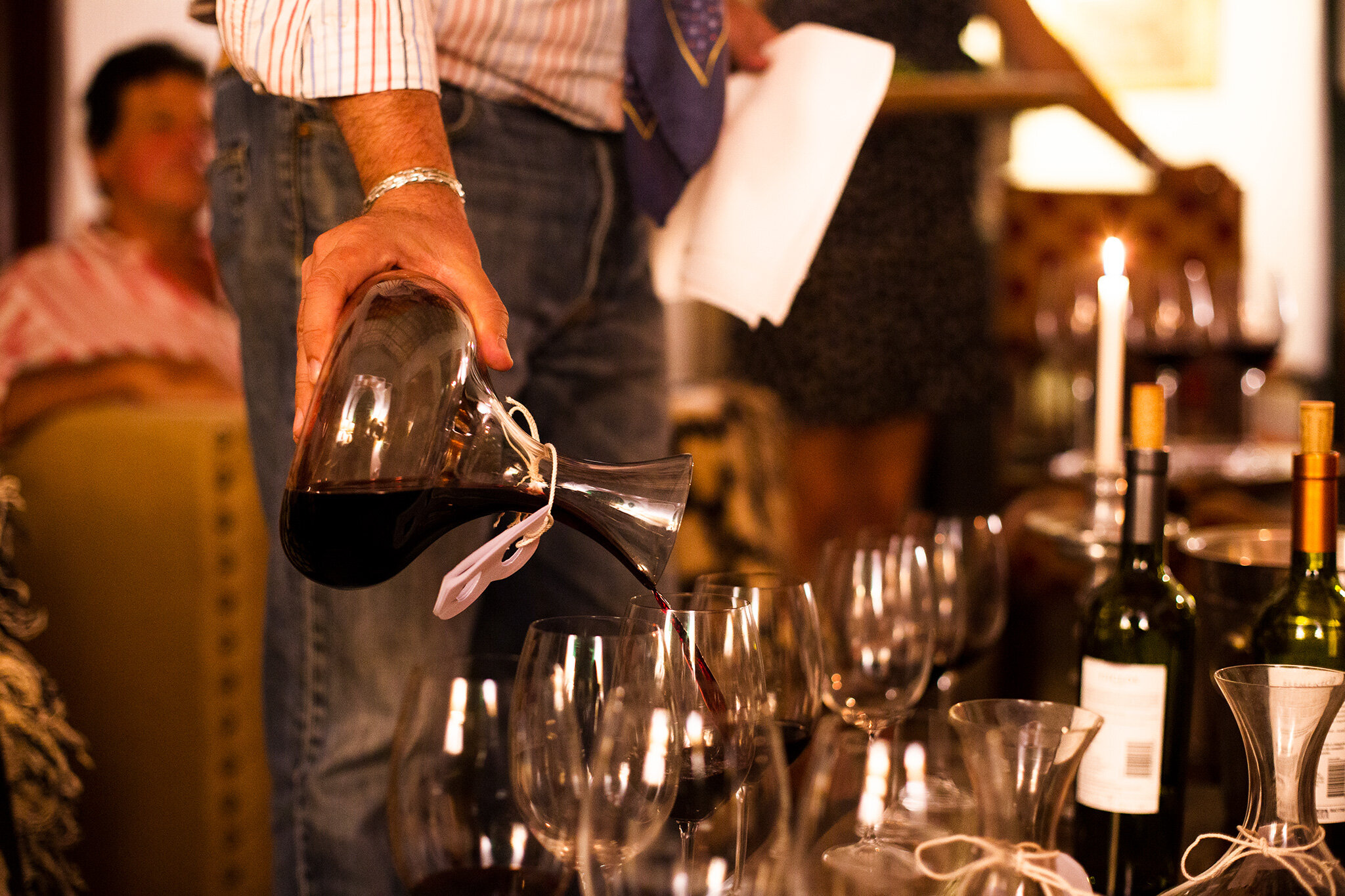
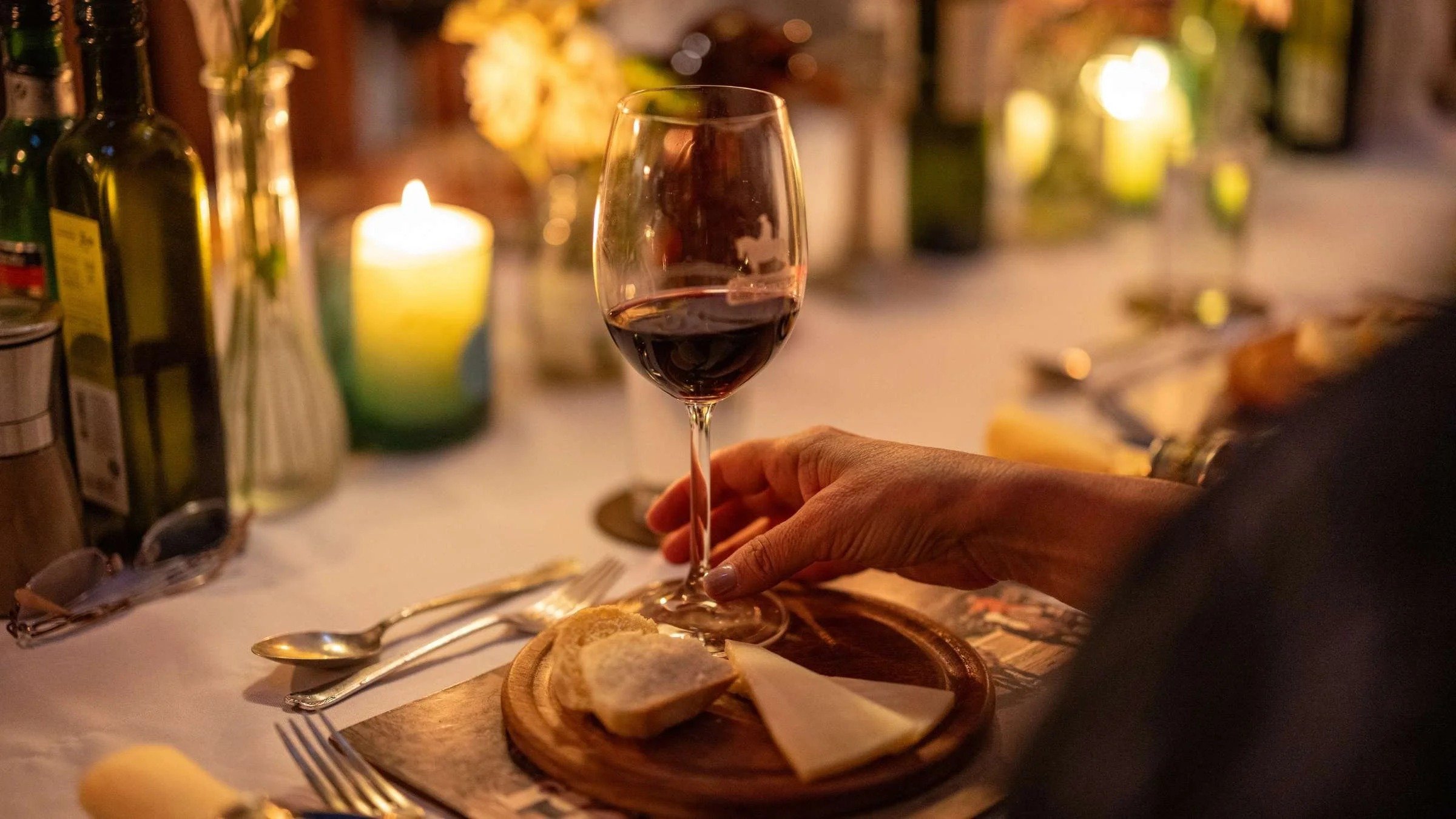
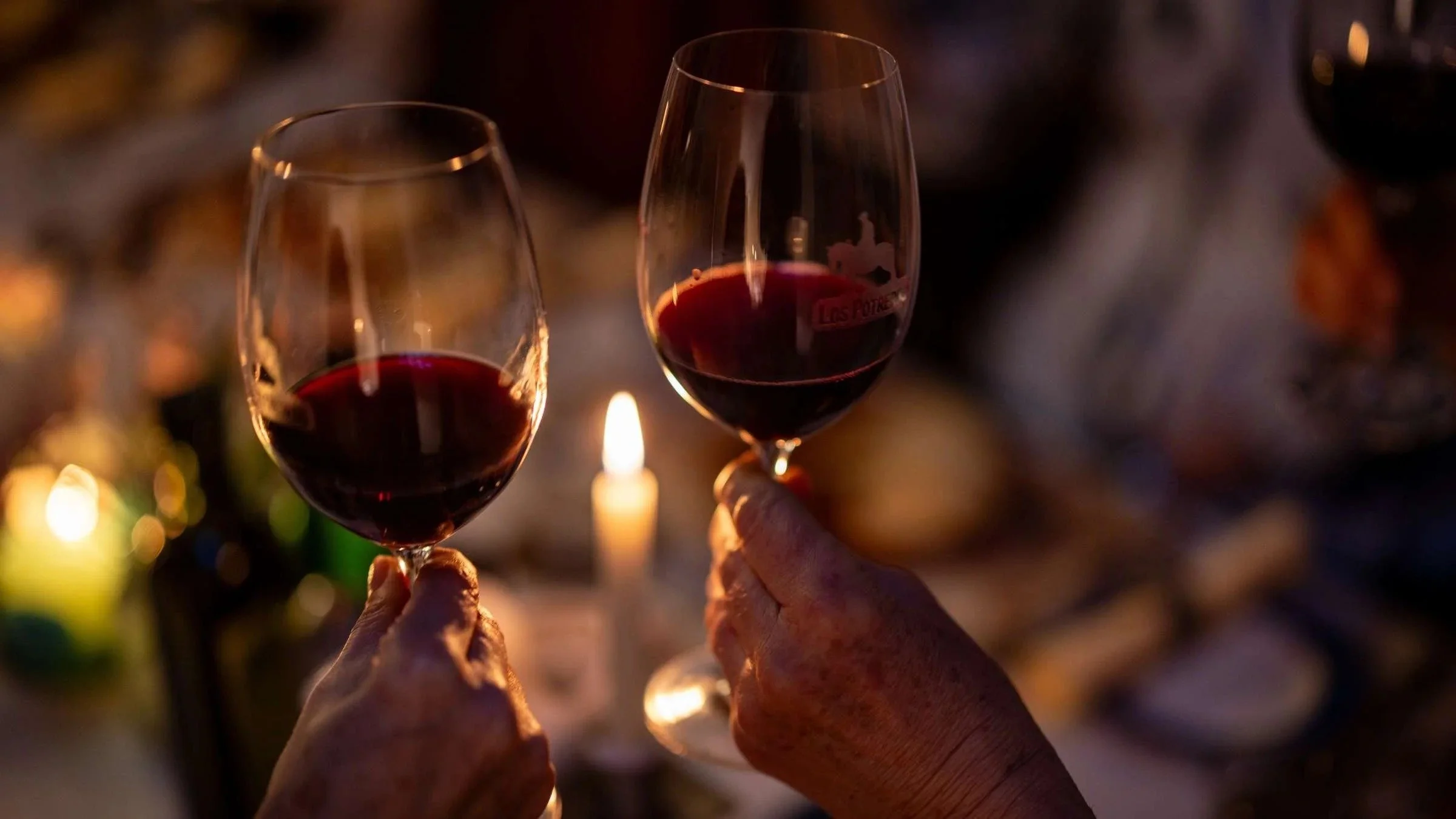
Whether it's a glass by the fire after a day in the saddle or a bottle shared over dinner with new friends, wine is part of every evening here. We choose the wines to suit each group, mixing well-known regions such as Mendoza, Salta and Patagonia with discoveries from Córdoba's smaller wineries. The Begg family are always happy to share an informal tasting, and trying the different wines of the region is great fun.

The Legend Behind Argentina's Dulce de Leche
Eaten with almost everything in Argentina, dulce de leche is spread on toast, used to fill facturas, decorate flans, or simply eaten straight from the jar. It's one of the true icons of Argentine cuisine, and its origin story is just as sweet as the spread itself.
A Culinary Accident in 1829
As the local legend tells it, the birth of dulce de leche can be traced back to a culinary accident that occurred in 1829, during a turbulent period of Argentine history.
With the hope of ending a period of civil war in Argentina, the leaders of opposing political and military forces, Juan Manuel de Rosas and Juan Lavalle, decided to call a truce. Rosas invited Lavalle to sign the Cañuelas Pact at his headquarters on a large ranch called La Caledonia. Lavalle arrived at the ranch tired from the journey and decided to rest a while before meeting with Rosas - taking his siesta in the very tent where Rosas normally slept.
Meanwhile, one of Rosas' servants was busy preparing the "lechada" - hot milk with sugar - traditionally drunk as an accompaniment to mate during that period. When the servant went to bring some mate to Rosas, she found Lavalle asleep in Rosas' tent and panicked. Unaware of the planned meeting between the two leaders, she alerted the troops to the presence of the "enemy," leaving the lechada unattended on the stove amid the chaos.
When she finally returned, she discovered that the contents of the pot had transformed into a thick, gooey spread - what we know today as dulce de leche.
A happy accident born out of conflict and truce, this beloved Argentine staple has gone on to become one of the country's most cherished culinary traditions, enjoyed in kitchens and cafés across Argentina to this day.