Pan Dulce: A Sweet Argentine Bread Tradition

One of our favourite sweet breads is pan dulce, the perfect accompaniment to some Argentine cheese and a treat often baked during our evenings in the kitchen. There's something wonderfully simple about the ritual of baking bread in the evenings on the estancia - the smell of it filling the kitchen, the kettle going for mate, and everyone gathering round to see how it's turned out.

Typically, we use dark muscovado sugar, a cane sugar containing molasses - the reason behind its dark colour and texture, which resembles wet sand. Muscovado sugar brings a deep, almost caramel-like richness to the bread that white or light brown sugar simply can't match, and it's part of what gives pan dulce its distinctive character.

A Bread Rooted in Tradition

Sweet breads like this one have long been part of Argentine baking traditions, often appearing at teatime, alongside a cheese board, or as a treat to share after a long day out on the land. While pan dulce is perhaps best known in its more elaborate, fruit-and-nut-studded holiday form, this simpler everyday version is just as beloved in kitchens across the country, and it's the one we return to again and again at Los Potreros.

Dried fruit, almonds, and hazelnuts give the bread texture and bursts of natural sweetness throughout, while a cup of mate cocido tea worked into the dough adds a subtle, earthy depth that ties the whole thing back to one of Argentina's most iconic traditions. It's a lovely example of how everyday Argentine cooking borrows from the country's broader culinary heritage.

Pan Dulce Recipe

Ingredients:

  • 500g self-raising flour

  • 1 egg

  • 25g butter

  • 1 cup mate cocido tea

  • 75g dark muscovado sugar

  • 150g dried fruit

  • 75g almonds

  • 75g hazelnuts

Method:

  1. Mix all the dry ingredients together, except the flour.

  2. Add the butter and egg, and mix thoroughly with your hands.

  3. Gradually add the flour and tea to form a dough - it's ready once it no longer sticks to your hands.

  4. Once the dough is ready, shape it and place it on a baking tray lightly sprinkled with flour to prevent sticking during cooking.

  5. Bake at 180ºC/355ºF until a skewer comes out clean, usually around 20 minutes.

Serving Suggestions

This rustic Argentine sweet bread makes a lovely addition to any tea table or evening spread. We love serving it warm, sliced thickly, alongside a good local cheese and a cup of mate, though it's equally delicious on its own the next morning with a little butter.

Like so many recipes passed down in the kitchen here, this one has been adapted and tweaked over the years by whoever happens to be baking that evening - a little more fruit here, a touch more sugar there - and that's really the spirit of it. Pan dulce isn't meant to be exact. It's meant to be shared.
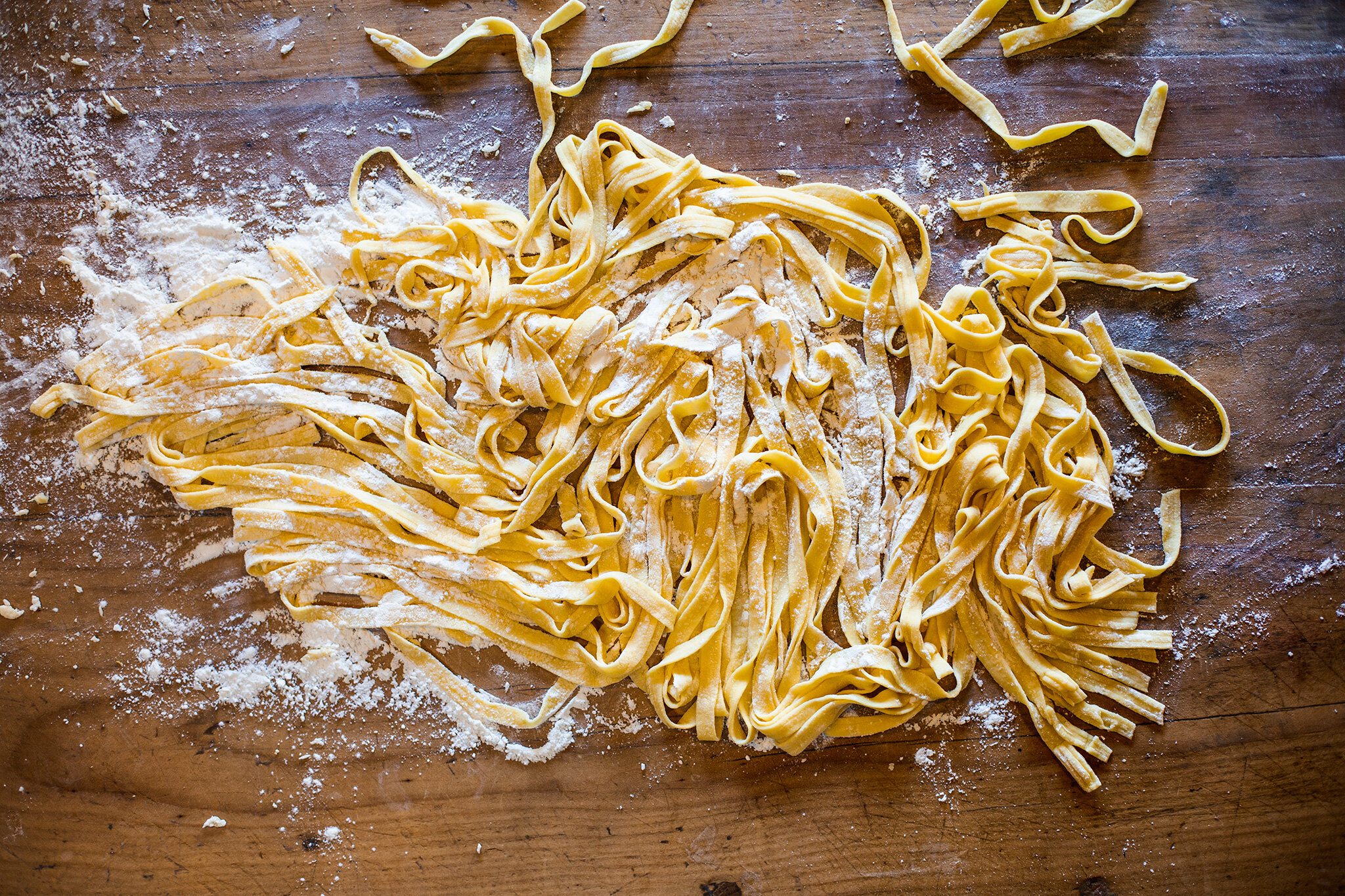
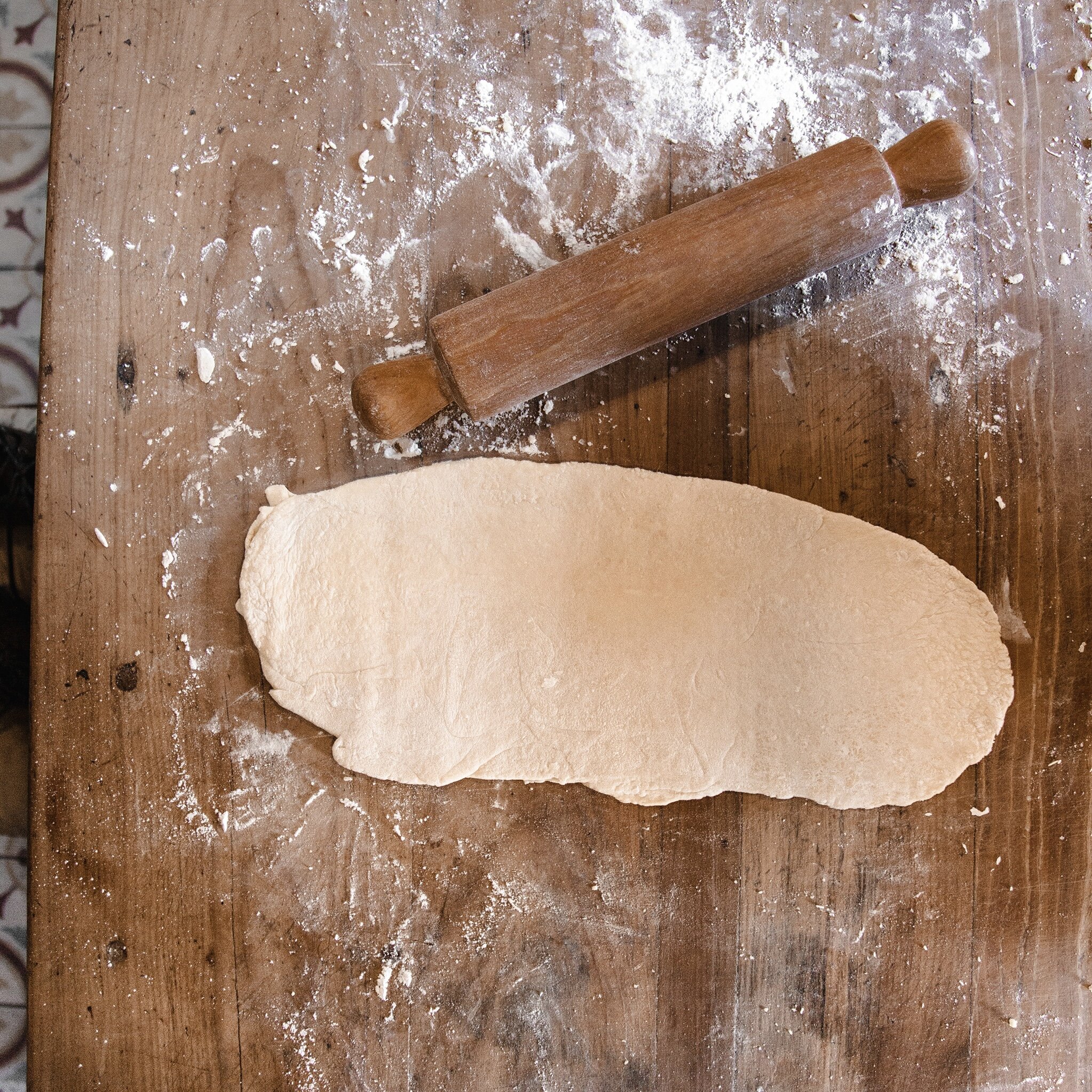
Discover the Art of Homemade Pasta 7 & Recipe

At Los Pots Kitchen, we take great pride in creating dishes that highlight the flavours of Argentina, infused with rustic charm and the best local ingredients. This homemade pasta recipe is a perfect example of how simple, fresh components come together to create an unforgettable meal. Whether you're a seasoned cook or completely new to making pasta from scratch, our step-by-step guide will help you master this timeless craft and bring it into your own kitchen.

A Recipe Rooted in History

Argentina's love affair with pasta dates back to the late nineteenth and early twentieth centuries, when waves of Italian immigrants arrived on its shores and brought their culinary traditions with them. Over generations, these recipes wove themselves into the fabric of Argentine cuisine, blending with local ingredients and techniques until pasta became a true staple of the national table. Today, across the country, menus proudly feature an incredible variety of pasta dishes, each carrying echoes of that immigrant heritage while reflecting a distinctly Argentine character. From humble family kitchens to the finest restaurants, pasta night is a cherished tradition that brings people together.

Homemade Pasta Recipe

Serves 4-6

Ingredients:

  • 400g 00 flour, plus extra for dusting

  • 4 large eggs

  • 1/2 tsp salt

  • 1 tbsp olive oil

Method:

  1. Pile the flour onto a clean work surface (or into a large bowl) and make a well in the centre.

  2. Crack the eggs into the well, add the salt and olive oil, and beat gently with a fork.

  3. Gradually draw the flour into the eggs, mixing until a shaggy dough forms.

  4. Knead the dough by hand for 8-10 minutes, until it's smooth, elastic, and no longer sticky. Add a touch more flour if needed.

  5. Wrap the dough in cling film and let it rest at room temperature for at least 30 minutes - this relaxes the gluten and makes rolling much easier.

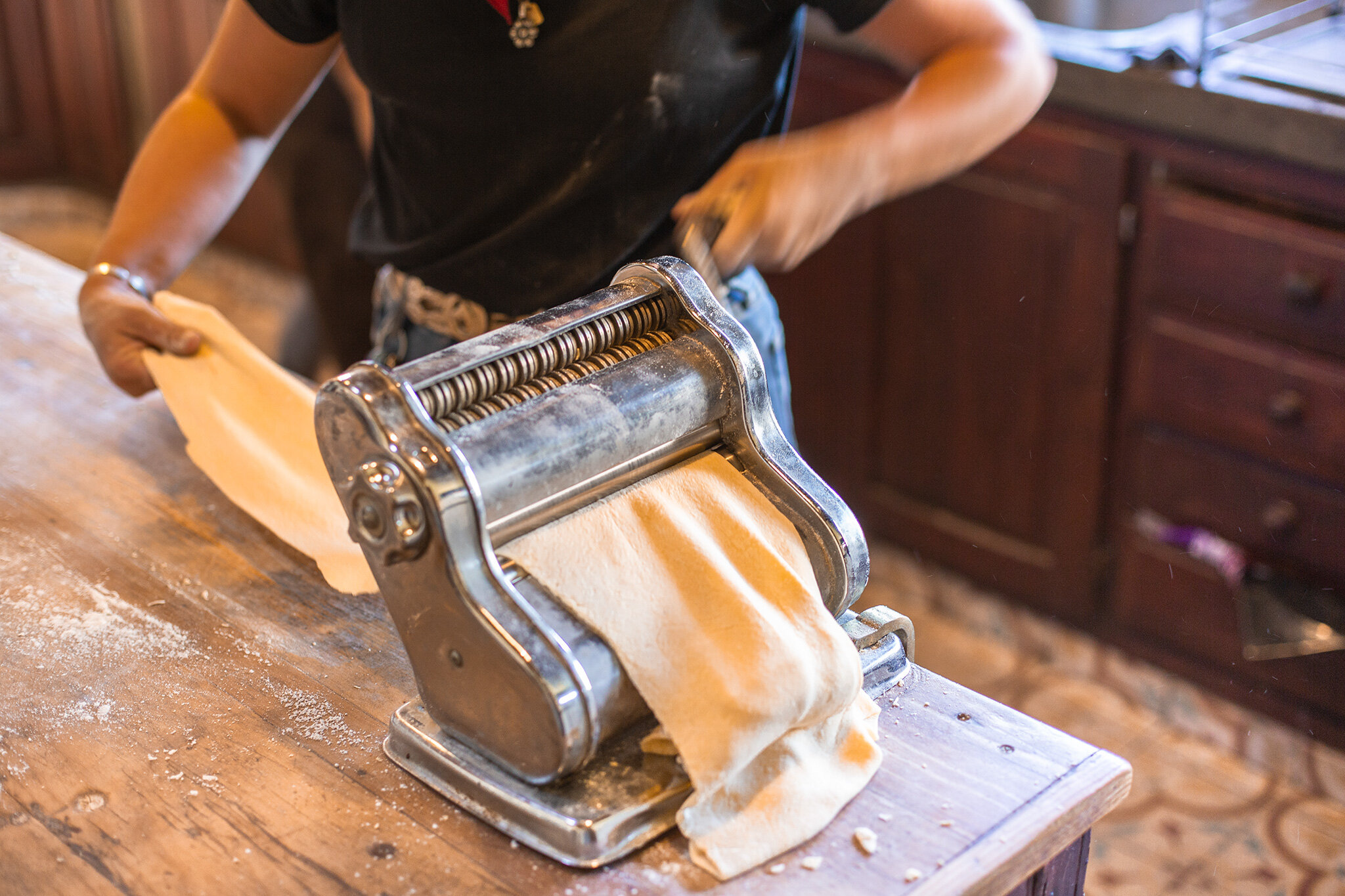
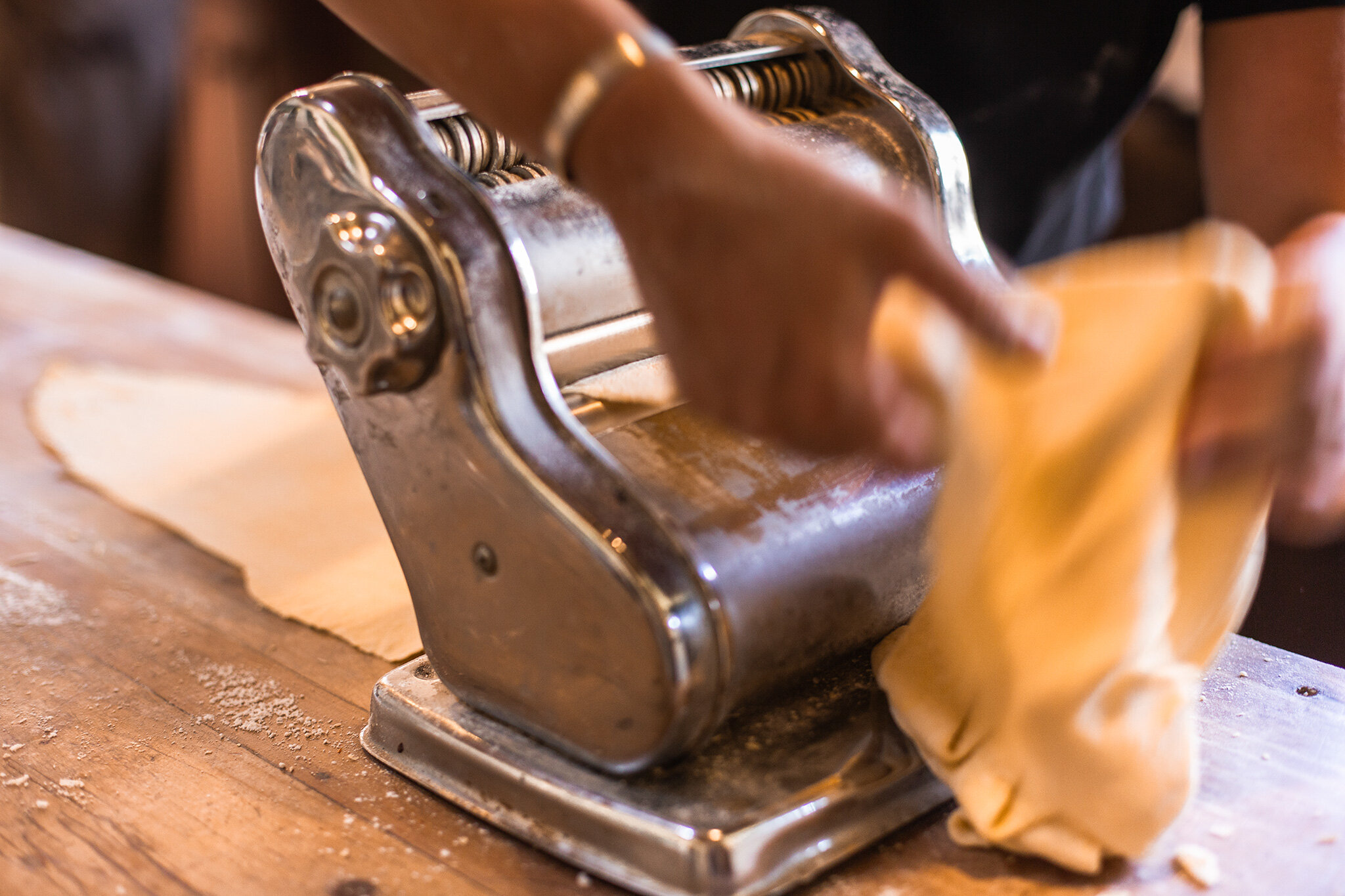
  6. Divide the dough into portions and roll each one out thinly, either by hand with a rolling pin or through a pasta machine, dusting with flour as you go.

  7. Cut into your desired shape: wide sheets for lasagne, ribbons for spaghetti, or squares for ravioli.

  8. Cook fresh pasta in plenty of salted, boiling water for just 2-3 minutes, until it floats to the surface.

From One Sheet, Endless Possibilities

Here at our estancia, this history comes alive every day in our kitchen. There is something almost meditative about watching our chefs work the dough, kneading it with practiced hands until it reaches just the right texture, elastic yet tender. The rolling of the pasta is where the real artistry shines through. It takes years of practice to develop the feel for how thin to stretch the dough, how much flour to dust beneath it, and how to sense when it's ready to be shaped. Watching our chefs roll it out, layer by layer, is always a delight for guests, many of whom have never seen fresh pasta made entirely by hand.

From that single sheet of dough, an entire world of dishes unfolds. With a bit more thickness and careful layering, it becomes lasagne sheets, ready to be baked with rich sauces and melted cheese. Cut into wide ribbons or delicate squares, it transforms into fresh ravioli, filled with anything from ricotta and spinach to slow-braised meats sourced from our own land. Rolled thin and cut into long strands, it becomes spaghetti, simple yet endlessly versatile, equally at home with a rustic tomato sauce or a silky butter and sage preparation.

Italian Technique, Argentine Soul

What makes our approach special is the marriage of Italian technique with Argentine soul. We use eggs from free-range hens, flour milled with care, and seasonal vegetables and herbs grown nearby, all combined with the sauces and fillings that reflect our region's character, from grass-fed beef to sun-ripened tomatoes. The result is pasta that feels both familiar and entirely its own, a dish that tells the story of two cultures meeting on one plate.

We invite you to try your hand at this rewarding process. Making pasta from scratch is not just about the final dish, it's about slowing down, working with your hands, and connecting with a tradition passed down through generations. Follow our guide, be patient with the dough, and you'll discover just how easily the authentic taste of Argentina can find a home in your own kitchen.

Mate: The Heart of Gaucho Culture in Argentina

116_Dining_TCunniffe.jpg

Few traditions capture the spirit of Argentina quite like drinking mate (pronounced "mat-aay"). More than just a beverage, mate is a ritual, a social glue, and one of the most authentic windows into gaucho culture you'll find anywhere in the country. Learning how to drink mate properly is something of an art - and once you understand the tradition behind it, you'll see why it's so deeply woven into everyday Argentine life.

What Is Mate?

Technically, "mate" refers to the pot or gourd the drink is served in - not the drink itself. The herb is called yerba mate, and it's this yerba that gives the drink its distinctive, earthy flavour and its reputation as an acquired taste.

The person who prepares and serves the mate is known as the cebador. They fill the gourd with yerba, add hot (never boiling) water, and hand it round for sipping through a bombilla, a metal straw with a built-in filter at the tip.

A Shared Ritual, Not Just a Drink

What makes the mate ceremony so special is how it's shared. One gourd, one bombilla, passed from person to person around the circle - family, friends, or complete strangers alike. It's an act of trust and hospitality, and for many Argentines, a mate session is as much about connection and conversation as it is about the drink itself.

This communal nature is central to Argentine mate tradition, and it's one of the first things visitors notice: walking through any Argentine town or city, it's completely normal to see people carrying a thermos of hot water under one arm and a mate gourd in the other hand, sipping as they go about their day.

Roots in Guaraní Tradition

Yerba mate grows wild in the subtropical jungles of Argentina, Paraguay, Uruguay, Brazil, and Bolivia. Its origins trace back to the Guaraní people, the native Indigenous communities of South America who first discovered and cultivated the plant for its energising properties.

The drink's popularity surged during Argentina's long fight for independence in the 19th century, and it was during this period that mate became firmly embedded in gaucho culture - adopted by the horsemen of the pampas as a daily staple, a source of energy, and a symbol of camaraderie out on the open range.

Why Argentines Love Their Mate

Mate is especially popular first thing in the morning, thanks to its naturally high caffeine content - a welcome jolt for anyone starting the day. But its appeal goes beyond the buzz: yerba mate is packed with antioxidants and vitamins, and remarkably, it contains seven of the nine essential amino acids.

Whether you're exploring the pampas, staying at a traditional Argentine estancia, or simply spending time in Buenos Aires, sharing a mate is one of the most genuine ways to experience local culture. It might take a few sips to acquire the taste - but once it clicks, you'll understand why mate remains an inseparable part of Argentina travel and everyday life alike.

113_Dining_TCunniffe.jpg

Osobuco: A Los Potreros Estancia Favourite

Osobuco: A Los Potreros Estancia Favourite

One of our favourite and most celebrated meals on the estancia is Osobuco. There is nothing nicer than walking in for dinner to be greeted by the aroma of red wine and rosemary. The chefs prepare the osobuco at lunchtime and the meat braises for at least 5 hours throughout the afternoon, ensuring the meat is soft and full of flavour when they go to take it for dinner the beef falls spectacularly off the bone.

Ñoqui del 29: Argentina's Gnocchi Day Tradition

If you're in Argentina on the 29th of any month, don't be surprised to find gnocchi on every menu in town. "Ñoqui del 29" - Gnocchi Day - is one of the country's most charming Argentine food traditions, and the story behind it is as simple as it is heartfelt.

Why Argentines Eat Gnocchi on the 29th

Back when most people were paid on the last day of the month, the 29th fell right before payday - the point when money was tightest and the larder was down to little more than potatoes and flour. Gnocchi (known locally as ñoqui) turned out to be the perfect solution: filling, comforting, and cheap to make.

Over time, the practical habit became a superstition for financial luck. To this day, many Argentines tuck a bit of money under the placemat while eating their ñoqui on the 29th, hoping to invite prosperity for the month ahead.

Italian Roots

Like so many beloved customs in Argentina, Ñoqui del 29 traces back to the wave of Italian immigrants who settled in the country during the 19th century, bringing their culinary traditions - and their gnocchi - with them. It's a lovely example of how deeply Italian heritage is woven into modern Argentine culture, from language and surnames right down to the dinner table.

How to Make Traditional Argentine Gnocchi

Serves 6

Ingredients:

  • 5 large potatoes (as fresh as possible - one per person, plus three extra)

  • 4 eggs

  • 3 cups of flour

Method:

  1. Wash the potatoes and boil them with the skins on.

  2. Peel and mash the potatoes one at a time while still warm.

  3. Spread the mashed potato out onto a large, flat surface to cool quickly - the bigger the surface area, the faster it cools.

  4. Once cooled, crack one egg into the centre of the potato and mix well.

  5. Gradually fold in the flour, pressing and combining until the dough comes together. Keep adding flour until the mixture is firm but still malleable.

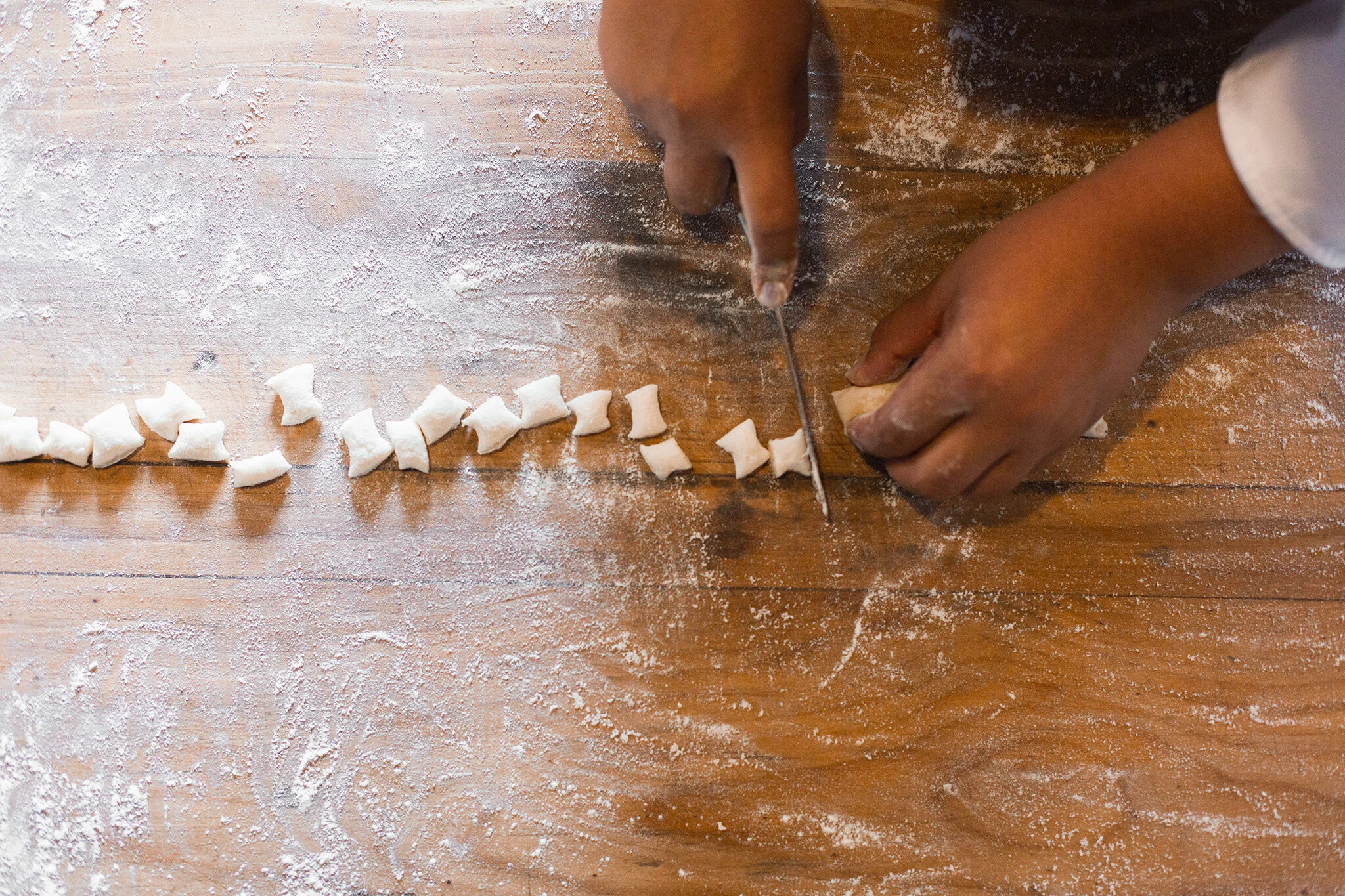
  6. Divide the dough into equal portions, roll each into a long sausage shape, and cut into small pieces roughly 2cm x 1cm.

  7. Prepare your sauce of choice while the water comes to the boil.

  8. Cook the gnocchi in batches in boiling water - they're ready as soon as they float to the surface.

  9. Keep an oven-safe dish warm to hold the cooked batches. Layer sauce on the bottom, add the cooked gnocchi, then repeat with more sauce and the next batch as it's ready.

Serve warm, and if it's the 29th - don't forget the money under the placemat.

065_Dining_TCunniffe.jpg
066_Dining_TCunniffe.jpg
067_Dining_TCunniffe.jpg

Chicken Asado

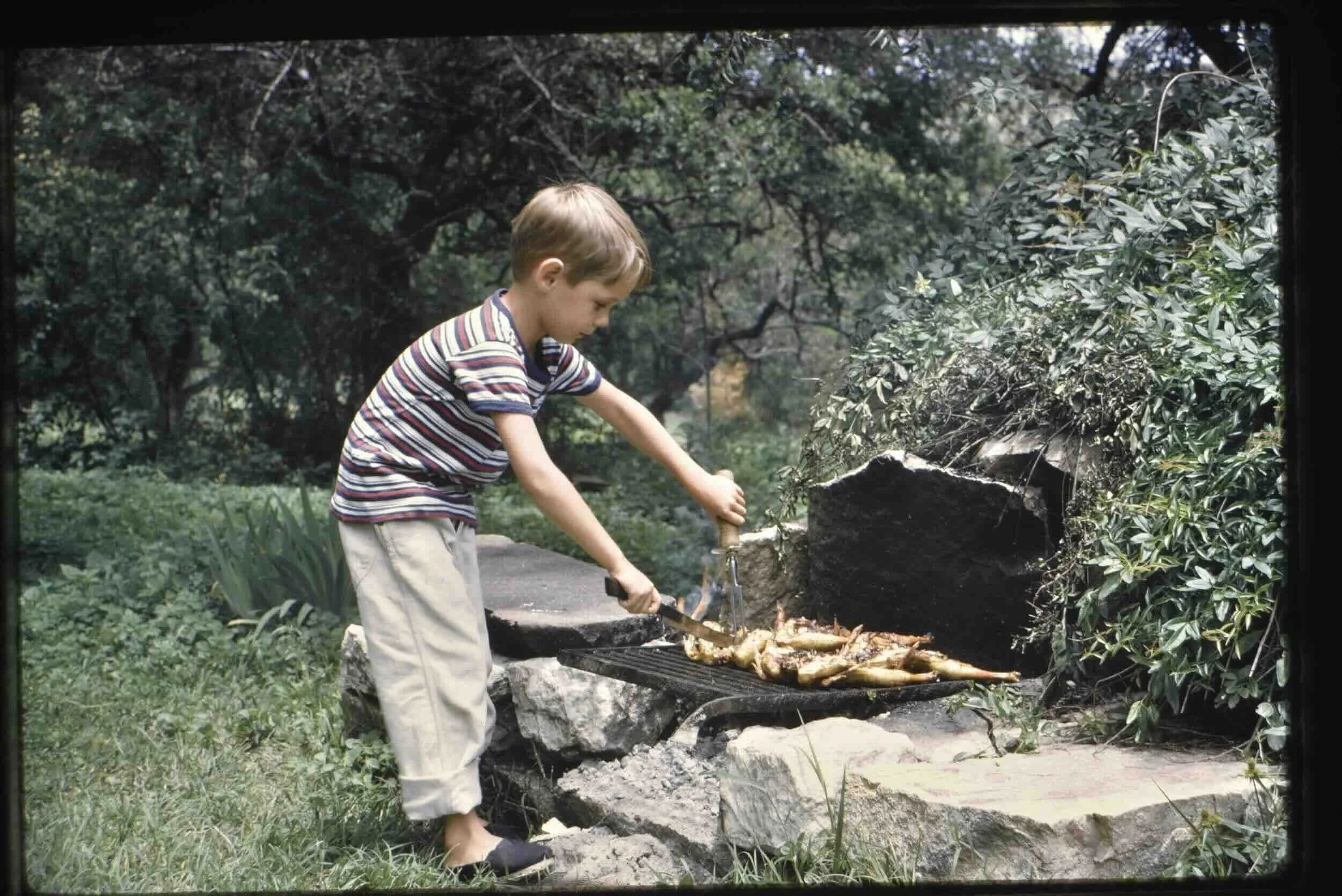
The asado originated in the 19th century with the gauchos, the word is used to describe both the occasion and the meat itself, traditionally wood from the White Quebracho tree would be used as it is relatively smokeless and produces good coals. Whilst beef is the focus of the asado many argentines also choose to cook chicken. Lunches at Los Potreros include both options but we particularly love a chicken asado. Chicken cooked on the parrilla marinated with lemon, onion, garlic, fresh herbs and olive oil. The preferred method is cooking the chicken as a whole butterflied. 

1 Chicken 

3 Onions

4 Garlic Cloves

Lemon Juice 

Fresh thyme & rosemary

Olive oil 

To prepare the parrilla for cooking you will need a lot of coals and a higher temperature than cooking beef, so ensure you light the fire around 30 minutes earlier than if you were cooking a normal asado. Light the fire around 11am to have sufficient time to begin cooking for a 1330 lunch. You will need minimum of one and a half hours to cook the chicken and must always put chicken on the parrilla for half an hour more than any red meat. Using a butterflied chicken place on the parrilla bone face-down and allow the chicken to start cooking. To check if the grill is hot enough hold your hand above it and if you can hold it for longer than 10 seconds you need to add more coals. Peel the onions and garlic and blend with the lemon juice and olive oil until it produces a thick paste and roughly cut the fresh herbs and add them to the mix. Brush the chicken with the paste whilst cooking, 3 or 4 times until serving, to ensure the chicken stays moist and does not become too dry. Turn the chickens regularly so they don’t burn and to allow for even cooking.

*   goes really well with a fresh salad and bread cooked on the parrilla. Top the bread with fresh tomatoes diced with oregano, diced onions and a little olive oil.

 
Butterfly Chicken roasting on the bbq
 

Farm to Table: Sustainability in Our Kitchen

Farm to Table: Sustainability in Our Kitchen

Every chef across the world, pays close attention to what goes into their food but here at Los Potreros we are also concerned about what our food is doing to the environment. Our chefs have always had a “no waste mentality” and now more than every they are minimizing what they throw out and developing a menu to ensure they can continue to cut down what little waste we still have, throughout the last few months we have begun to test out new ideas with great success.

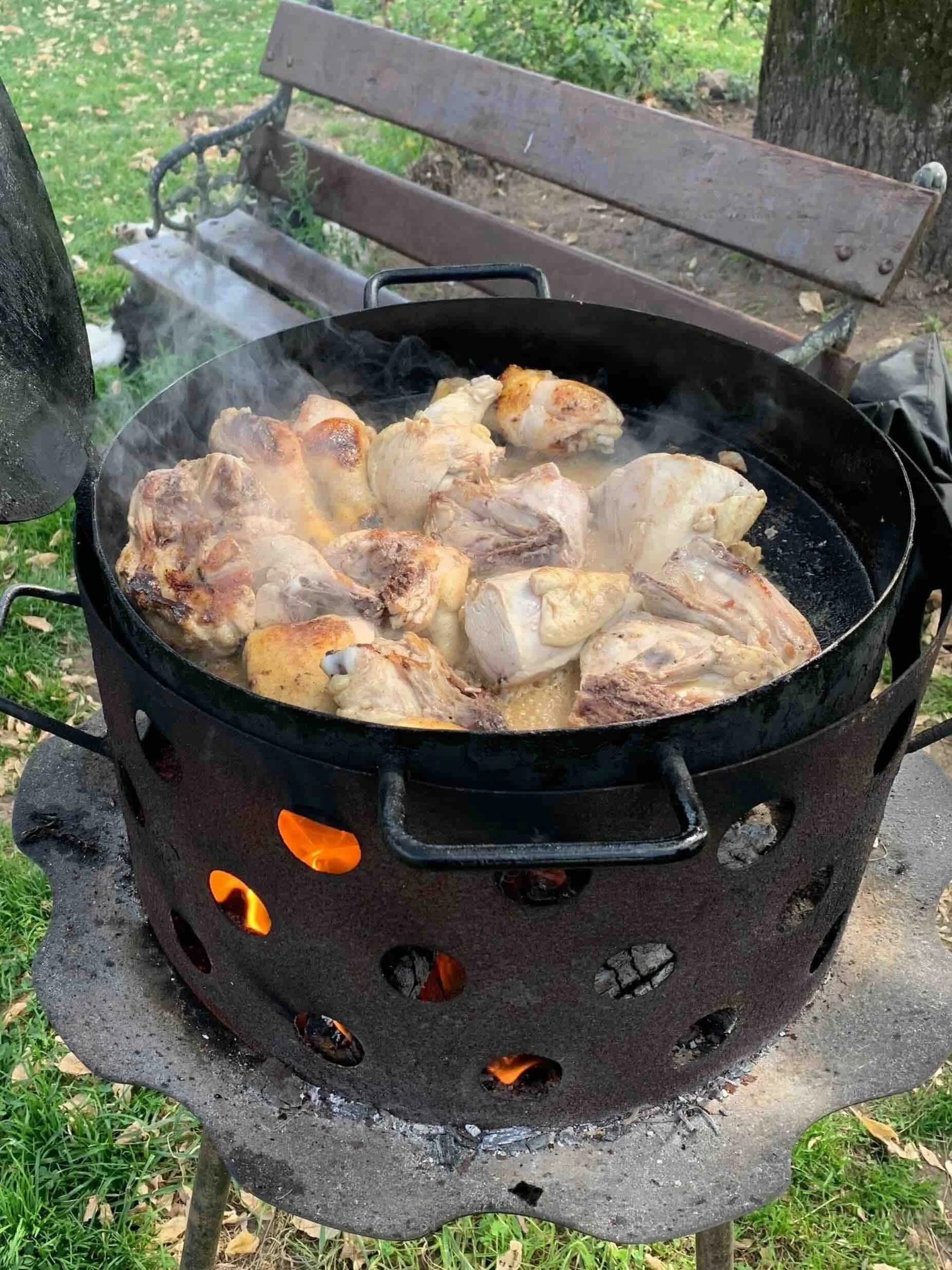
Pollo al Disco: A Traditional Argentine Chicken Recipe

Food prepared “al disco” does not refer to a particular recipe but rather a cooking style. 

Traditionally farm workers would use the blade of their plough; flipped on its side, wiped clean and with a fire lit below - these days we use a huge iron plow disc heated over a wood fire, but you can recreate this in a heavy bottom pan. Discos provide a large surface area for cooking while remaining easily portable, they are particularly useful for preparing meals away from the kitchen. 

The following recipe for pollo al disco is using white wine, but this can be substituted with beer.


Pollo al disco, chicken cooked in white wine with peppers and onions, served with a drizzle of cream

Serves 4  

3 x chicken breasts - either cooked whole or cut into chunks

2 onions

2 red peppers sliced

2 green peppers 

A handful of fresh herbs chopped

2 diced garlic cloves

Cream

Chilli flakes

Paprika 

2 bay leaf

White wine

Water

Olive oil


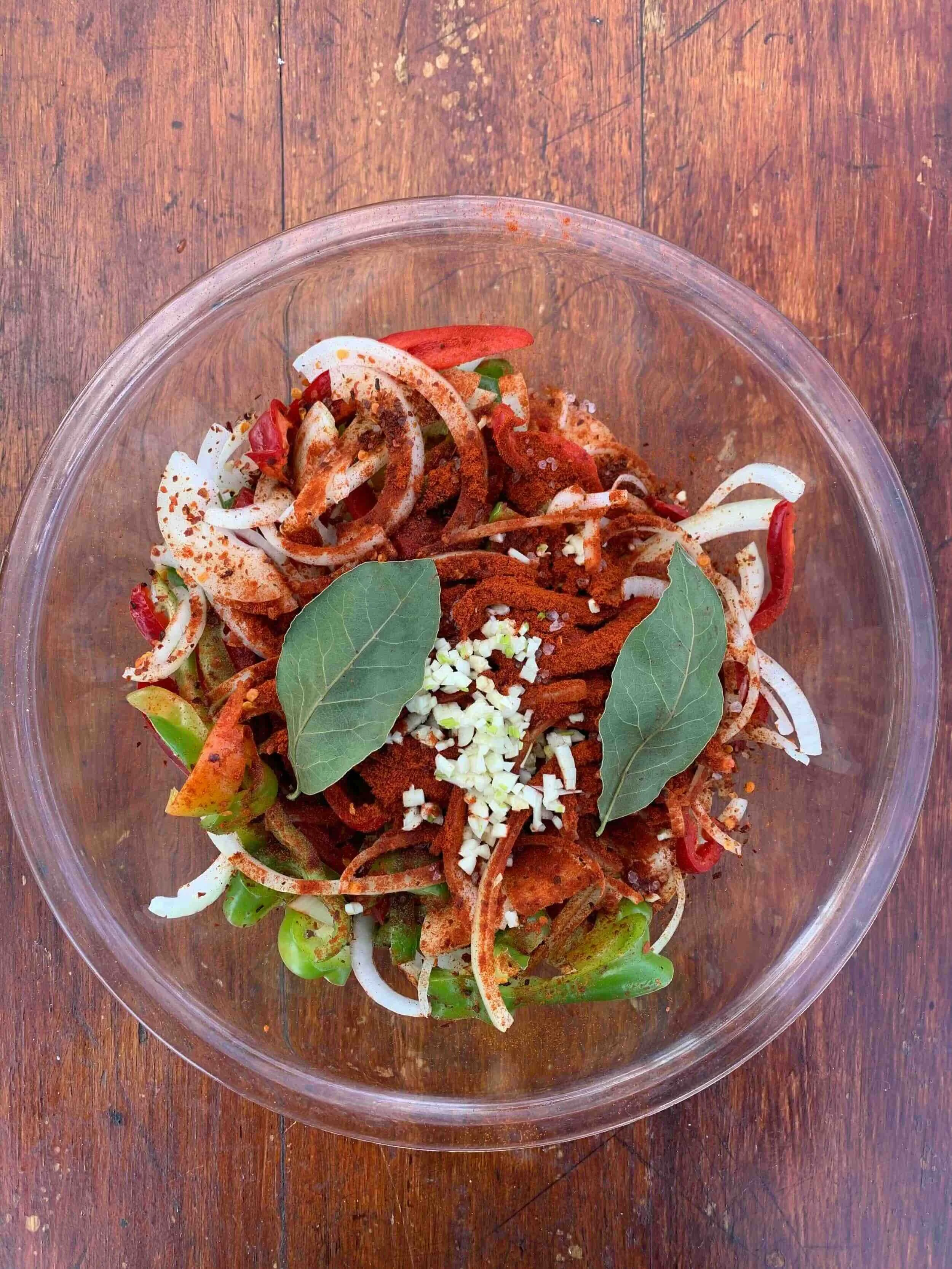
To prepare the chicken use breast meat or cut into chunks on the bone (if leaving pieces on the bone it will take longer to cook).  Once the disco is placed over the flames begin cooking immediately or it will burn and smoke. Add a splash of oil and sauté the chicken, stirring often until the chicken has colour all over. Once the chicken has begun cooking add the onions and garlic, allow to soften. Then add white wine, peppers, spices and herbs - flavor according to taste. Continue to add wine and water throughout cooking to ensure the meat doesn’t dry out. Stir often. Do not taste the sauce until the chicken is cooked. 

Once the chicken has been cooked, and you are ready to serve drizzle some cream over the chicken, as you plate it.  

 
Traditional Argentine pollo al disco with sautéed chicken, red and green peppers and fresh herbs
 

The Legend Behind Argentina's Dulce de Leche

Eaten with almost everything in Argentina, dulce de leche is spread on toast, used to fill facturas, decorate flans, or simply eaten straight from the jar. It's one of the true icons of Argentine cuisine, and its origin story is just as sweet as the spread itself.

A Culinary Accident in 1829

As the local legend tells it, the birth of dulce de leche can be traced back to a culinary accident that occurred in 1829, during a turbulent period of Argentine history.

With the hope of ending a period of civil war in Argentina, the leaders of opposing political and military forces, Juan Manuel de Rosas and Juan Lavalle, decided to call a truce. Rosas invited Lavalle to sign the Cañuelas Pact at his headquarters on a large ranch called La Caledonia. Lavalle arrived at the ranch tired from the journey and decided to rest a while before meeting with Rosas - taking his siesta in the very tent where Rosas normally slept.

Meanwhile, one of Rosas' servants was busy preparing the "lechada" - hot milk with sugar - traditionally drunk as an accompaniment to mate during that period. When the servant went to bring some mate to Rosas, she found Lavalle asleep in Rosas' tent and panicked. Unaware of the planned meeting between the two leaders, she alerted the troops to the presence of the "enemy," leaving the lechada unattended on the stove amid the chaos.

When she finally returned, she discovered that the contents of the pot had transformed into a thick, gooey spread - what we know today as dulce de leche.

A happy accident born out of conflict and truce, this beloved Argentine staple has gone on to become one of the country's most cherished culinary traditions, enjoyed in kitchens and cafés across Argentina to this day.

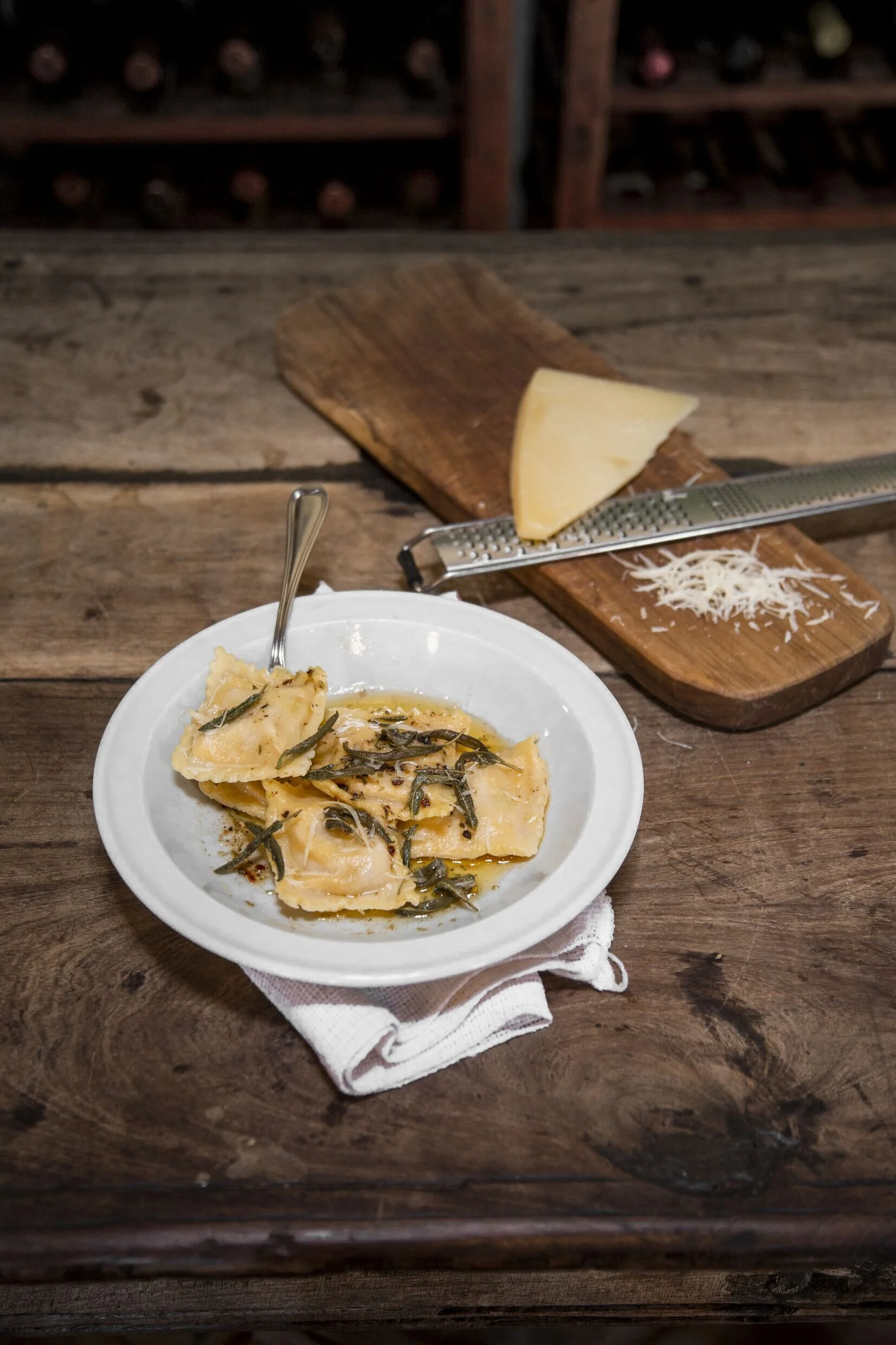
Butternut Squash Sorrentinos with Blue Cheese Sauce

Argentines claim that there’s nothing in Italy quite like a sorrentino, making them an Argentine invention. Unlike their close relative the ravioli, which aims for a balance between dough and filling, sorrentino’s are plump and overstuffed. As with other stuffed pastas, both the sorrentino dough and the filling can be imaginatively flavoured to create an endless number of options. The choice of sauce also plays an important role in the dish. A favourite on the estancia is a butternut squash with a butter, sage and garlic sauce or for the more adventurous a blue cheese sauce.

090_Dining_TCunniffe.jpeg

Sage and Butter Filling - fresh sage, butter, garlic, dried herbs, salt and pepper

Blue Cheese - a strong blue cheese we like roquefort melted with a splash of double cream

Pasta Dough

To make the stuffing, cut the butternut squash in half down the middle and then roast in the oven, with garlic until it is soft and both will peel away from the skin. 

Mash the butternut squash, sprinkling in salt, pepper, finely chopped chives and a handful of chilli flakes.

Begin rolling out the pasta using a pasta machine or rolling pin. If using a pasta machine roll through until about 4mm.

Use this mixture to fill the raviolis, whilst the pasta is cooking make a simple sauce. 

For the sage and butter sauce, simply melt butter in a pan and throw in handfuls of fresh sage, dried herbs, chilli flakes and diced garlic.. 

If you want a blue cheese sauce, simply melt the blue cheese of your choice, with a piece of butter and a splash of cream. 

ELP_Sorrentinos

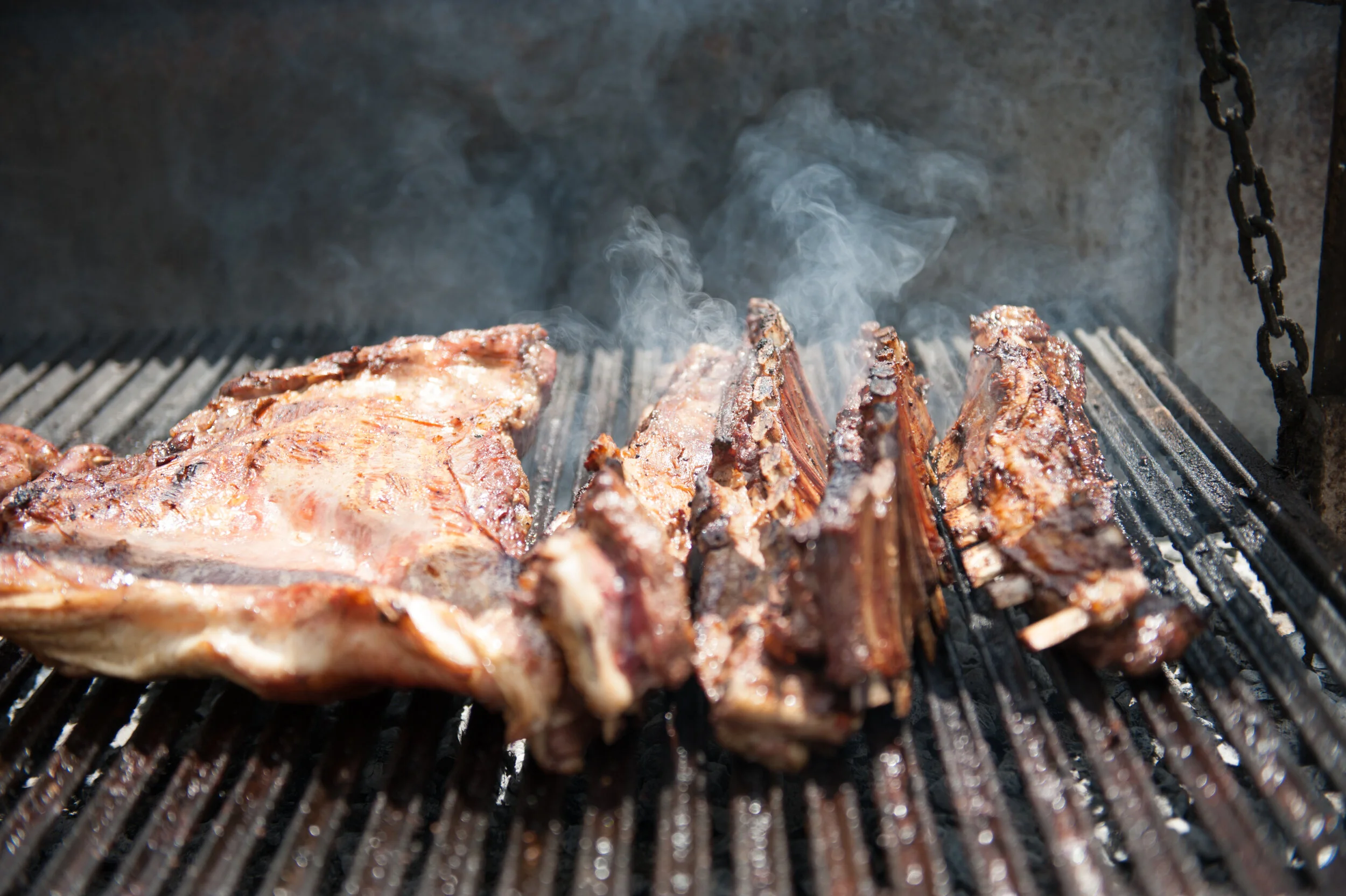
The Argentine Asado: A Gaucho Tradition at Los Potreros

An asado is never just a meal. In Argentina, it's a ritual - a slow, unhurried gathering built around fire, good meat, and even better company. At Estancia Los Potreros, the asado sits at the very heart of daily life, just as it has for generations of gauchos before us.

The Gaucho Origins of the Argentine Asado

The Argentine asado traces back to the gauchos who worked the pampas in the eighteenth and nineteenth centuries. With cattle in abundance and little else on hand, they cooked freshly butchered beef over open flames using nothing more than wood, embers, and simple iron crosses called asadores. There was no need to dress it up - the quality of the meat did all the talking.

From the Pampas to the Parrilla

As Argentina's cattle industry grew, so did the asado's place in national life. What began as a practical way for gauchos to eat became a cornerstone of Argentine culture, from Sunday family lunches to celebrations of every kind. The parrilla replaced the open pit, but the philosophy never changed: cook slowly, over embers rather than flame, and let the fire do the work. Patience is the whole point.

What Goes on the Fire: Cuts and Sides

A proper asado brings a full spread to the table - beef ribs, bife de chorizo, chorizo sausage, morcilla, and often sweetbreads, served alongside grilled vegetables, fresh salads, and crusty bread. Chimichurri finishes the plate without ever getting in the way of the beef itself.

Asado at Estancia Los Potreros, Córdoba

Here in the Sierras Chicas, the asado tradition is very much alive. Much of the beef we serve comes from cattle raised on the estancia using regenerative grazing, so what lands on your plate reflects the land it came from. Guests are welcome to watch the fire being built, take in the smell of wood smoke drifting across the yard, and pull up a chair for a meal that hasn't changed much in a couple of centuries.

Why the Asado Matters to Argentine Culture

For visitors, sharing an asado is one of the most genuine ways to understand Argentina - not through a museum or a guidebook, but through gaucho heritage, hospitality, and rural life as it's actually lived. Whether it's a family table or a working estancia, the asado remains what it's always been: good food, good company, and no reason to rush either one.

Empanadas Arabes

Empanadas Arabes

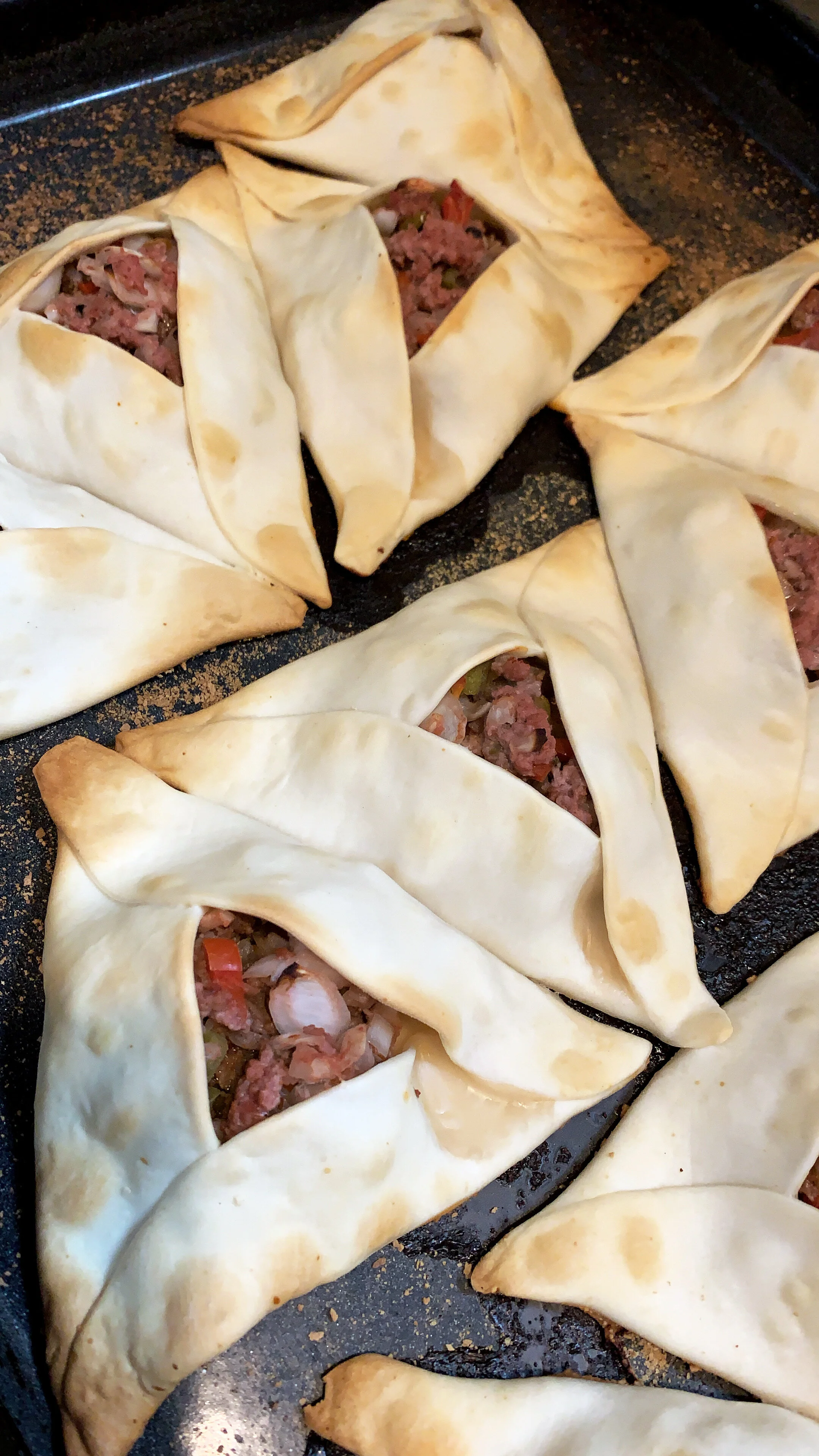
Alongside the European immigrants into Argentina, there were also large number from Syria and Lebanon. Whilst many dishes have Italian or Spanish heritage on for two from the middle east have left their mark on the country. One of which is the delicious empanada arabe. A combination of lemon, onion, tomato and fresh mint pairs perfectly with the beef.

Traditional Argentine Beef Empanadas (Empanadas de Carne)

Derived from the word “empanar” meaning to wrap or coat, we have the empanada - a stuffed or fried pastry traditionally filled with a combination of meat, vegetables or even dried fruits. Across the country they are a fast food staple and every region including Cordoba, prepares their own variation of a filling. Typical empanadas in Argentina are much smaller in size than those in Chile, normally fitting into the palm of your hand.

Empanada Pastry

2 cups plain flour

2/3 cups unsalted butter (cold)

2 tsp baking powder


To make the pastry, combine the flour, baking powder and 1 teaspoon of sea salt in a large bowl. 

Finely chop or coarsely grate the butter, then rub into the dry mix until it resembles fine breadcrumbs.

Mix in just enough cold water to bring it together, then wrap in clingfilm and pop in the fridge for 1 hour.

Roll out the pastry using a rolling pin or pasta maker and cut into large circles. 

image.jpg

A Traditional Argentine Filling

Empanadas in the Cordoba province are famous for being dulce salada, which means ‘sweet and salty’. You can use this recipe and by adding a couple more handfuls of raisins and a few teaspoons of white sugar they will become empanadas cordobesas. 

4 cups of ground beef or meat finely cubed  

6 white onions finely diced  

4 hard boiled eggs

1 can of tinned tomatoes 

1tbs paprika

2 handfuls of green olives

2 handfuls of raisins

A bunch of spring onions

1tbs chilli flakes

Salt and pepper 

Finely cube meat, or use ground beef sauté until cooked. 

In a separate pan sauté the onions until soft and then combine with the cooked meat, add the tomato sauce and season with salt and pepper. 

Add the remaining ingredients except the egg and allow the mixture to simmer and reduce down so that it is not-too liquidly. 

Allow the mix to cool completely. 

Roughly chop the eggs up and add with the spring onions and sliced olives into the mixture , stirring throughly. 

Fold the empanadas using the accordion fold and cook.

Place the assembled empanadas on a lightly greased baking sheet. Bake in an oven preheated to 180ºC/355°F for approximately 20 minutes or until the dough turns golden brown.

For a demonstration on folding empanadas check out our video here.

For a downloadable version click here.