
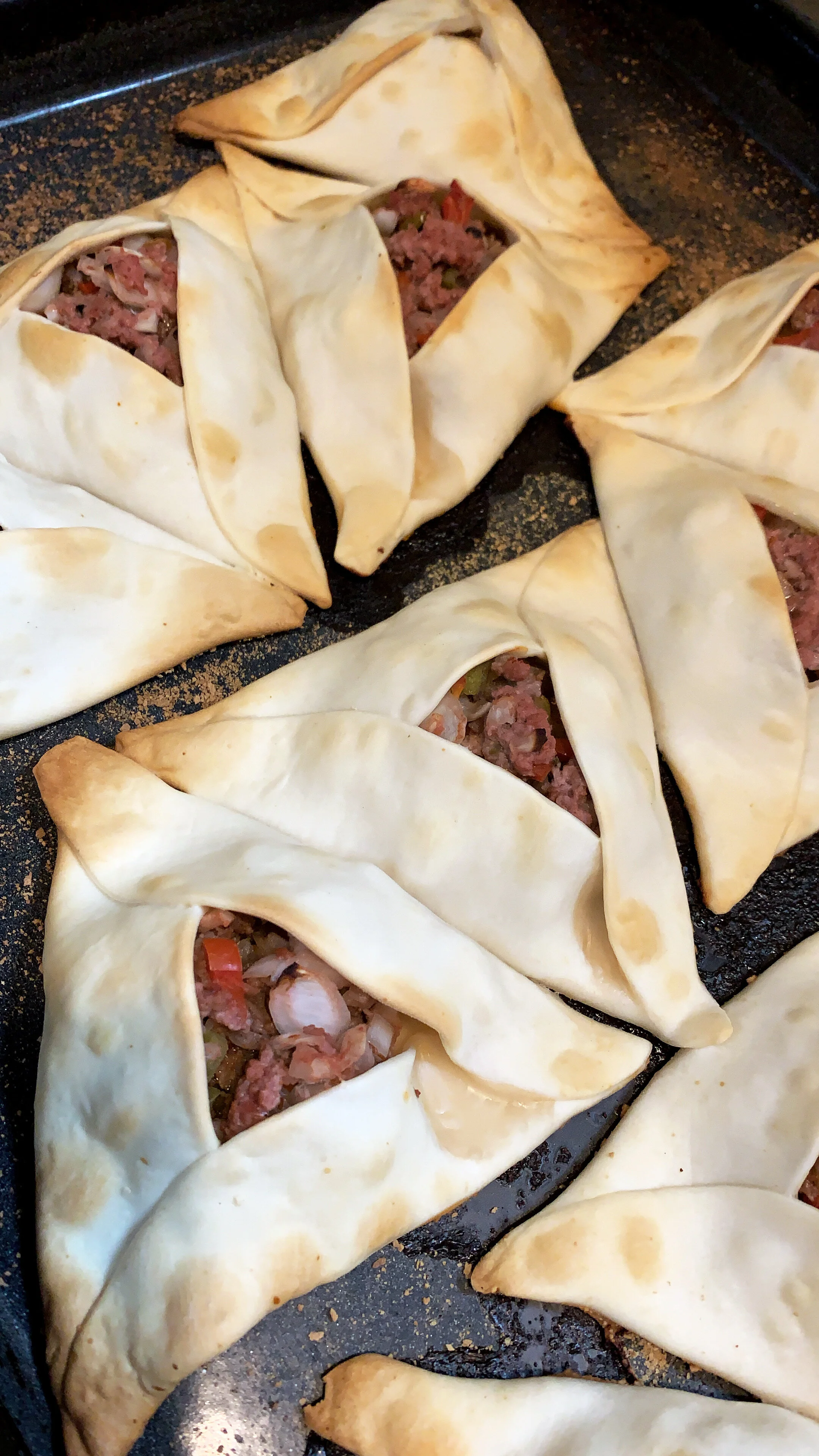
Alongside the millions of Europeans who settled in Argentina during the late 1800s and early 1900s, there were large numbers from the Middle East—particularly Syria and Lebanon, that came to South America as well. While Argentine dishes are typically based on Spanish and Italian cuisine, a few specialties from the Middle East have left their mark. One of these is the delicious empanada arabe. The combination of lemon, onion and tomato, combined with the flavour of the meat (typically beef) and the addition of fresh mint works perfectly together.
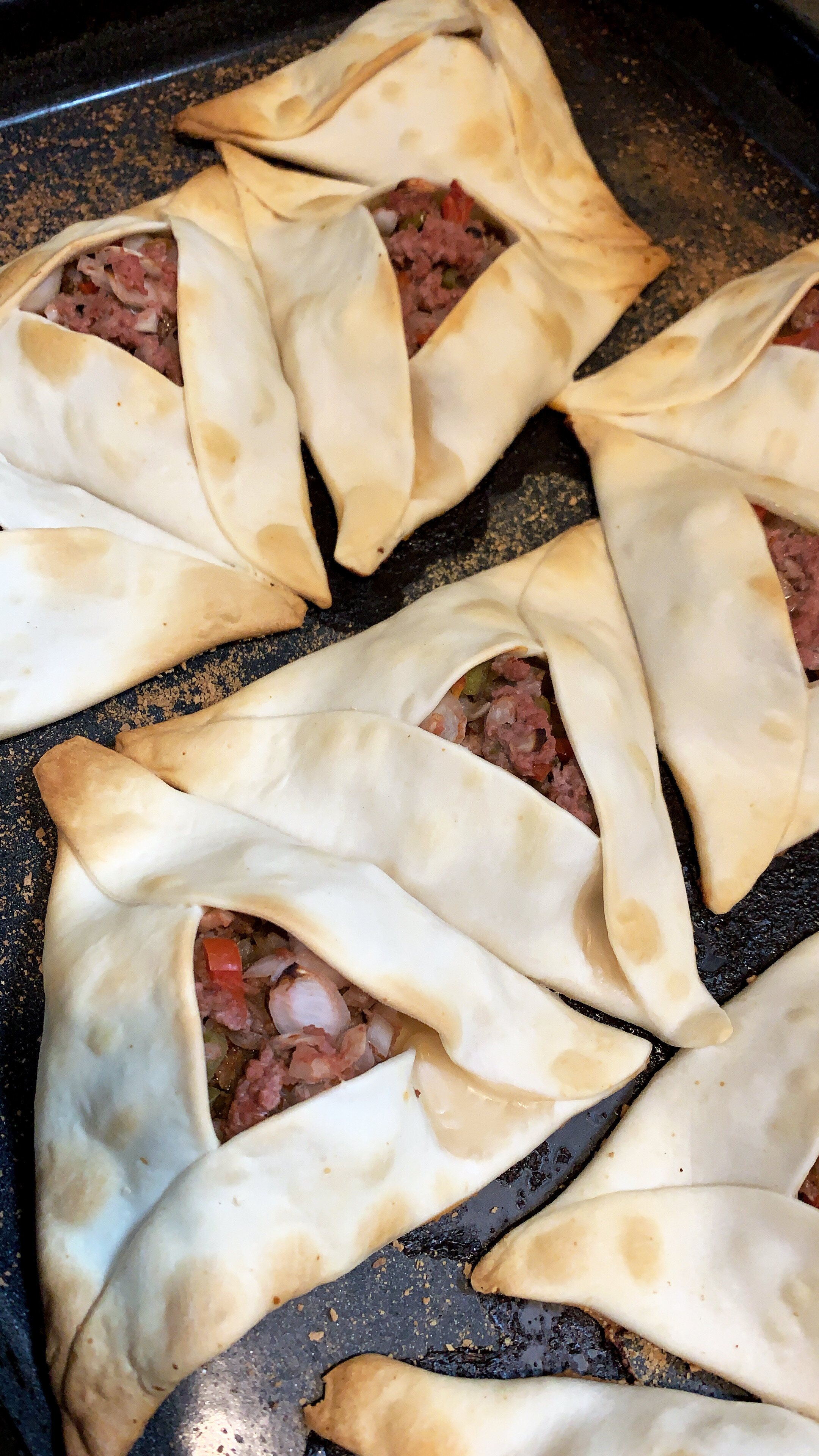
A Taste of Argentina's Middle Eastern Heritage
Argentina's food story is often told through Spanish and Italian influences, but there's another thread woven through the country's kitchens that deserves just as much attention. Alongside the millions of Europeans who arrived in Argentina during the late 1800s and early 1900s, large numbers of immigrants came from the Middle East, particularly Syria and Lebanon. They brought with them recipes, spices, and techniques that quietly worked their way into the national cuisine, and nowhere is that influence more delicious than in the empanada árabe.
Where a classic Argentine empanada de carne leans on cumin, paprika, and a rich, slow-cooked filling, the empanada árabe takes a lighter, brighter approach. Fresh mint, lemon juice, tomato, and raw onion combine with beef to create a filling that's tangy, herbaceous, and completely different from anything you'd find in a typical parrilla. It's a small but perfect example of how migration reshapes a country's food culture, one recipe at a time.
Why This Empanada Recipe Works
Unlike many empanada fillings that are cooked before assembly, the beef in an empanada árabe is often left raw or barely cooked before baking, allowing the lemon juice to lightly "cure" the meat overnight, much like a ceviche. This marinating step is essential. It softens the beef, mellows the onion, and lets the mint and lemon flavors fully penetrate the filling before it ever reaches the oven. Skipping this step, or rushing it, is the most common reason home cooks end up with a filling that tastes flat.
Ingredients
For the filling:
4 cups (about 900g) ground beef or very finely diced beef
2 medium onions, finely diced
3 ripe tomatoes, diced
2 red peppers, diced
A generous bunch of fresh mint, finely chopped
Juice of 4 lemons
4 tsp salt
Freshly ground black pepper, to taste
For assembly:
12–14 empanada discs (store-bought or homemade)
A small bowl of water, for sealing
Method
1. Prepare the filling. Cut the beef into small cubes, or use finely ground beef if you prefer a smoother texture. In a large bowl, combine the beef with the diced onions, tomatoes, red peppers, and chopped mint.
2. Season and marinate. Season generously with salt and pepper, then pour over the lemon juice and mix well so everything is evenly coated. Cover the bowl and refrigerate overnight, or for at least a few hours if you're short on time. This resting period is what gives empanadas árabes their signature tang, so don't skip it.
3. Drain before filling. Once the filling has marinated, remove it from the refrigerator and pour off any excess liquid released by the meat and vegetables. A drier filling will hold together better inside the dough and won't make the empanada soggy as it bakes.
4. Assemble the empanadas. Lay out your empanada discs and place a heaped tablespoon of filling in the center of each one. Resist the temptation to overfill, as this makes sealing difficult and can cause the empanada to burst in the oven.
5. Seal carefully. Dampen the edge of each disc lightly with water, fold it over into a half-moon shape, and press the edges firmly together. For a traditional finish, crimp the edge with a repeco (small folds) or simply press with a fork.
6. Bake until golden. Arrange the assembled empanadas on a lightly greased baking sheet, leaving a little space between each one. Bake in an oven preheated to 180°C (355°F) for approximately 20 minutes, or until the dough turns a deep golden brown.
7. Serve. Serve hot, straight from the oven, with fresh lemon wedges on the side for squeezing over the top.
A Recipe Worth Passing Down
Empanadas árabes are a reminder that Argentine cuisine has never stood still. It has absorbed influences from every wave of immigration and turned them into something distinctly its own. Whether you're making these for a family lunch or introducing guests to a lesser-known side of Argentine cooking, this recipe brings a bit of that Middle Eastern heritage to the table, one bite at a time.
For a downloadable version click here.