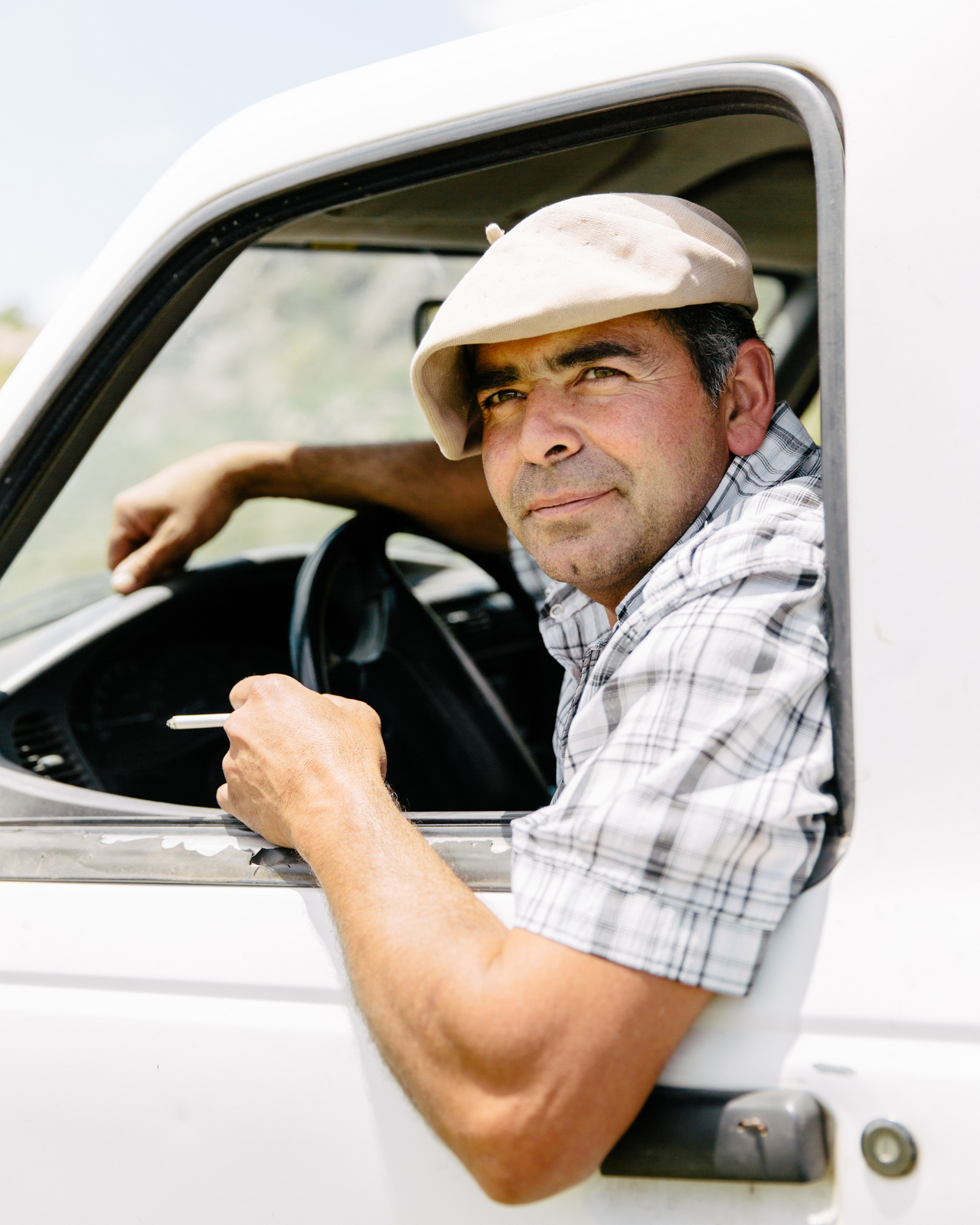
Easy Riders - Prior Magazine Feature

Easy Riders - Prior Magazine Feature

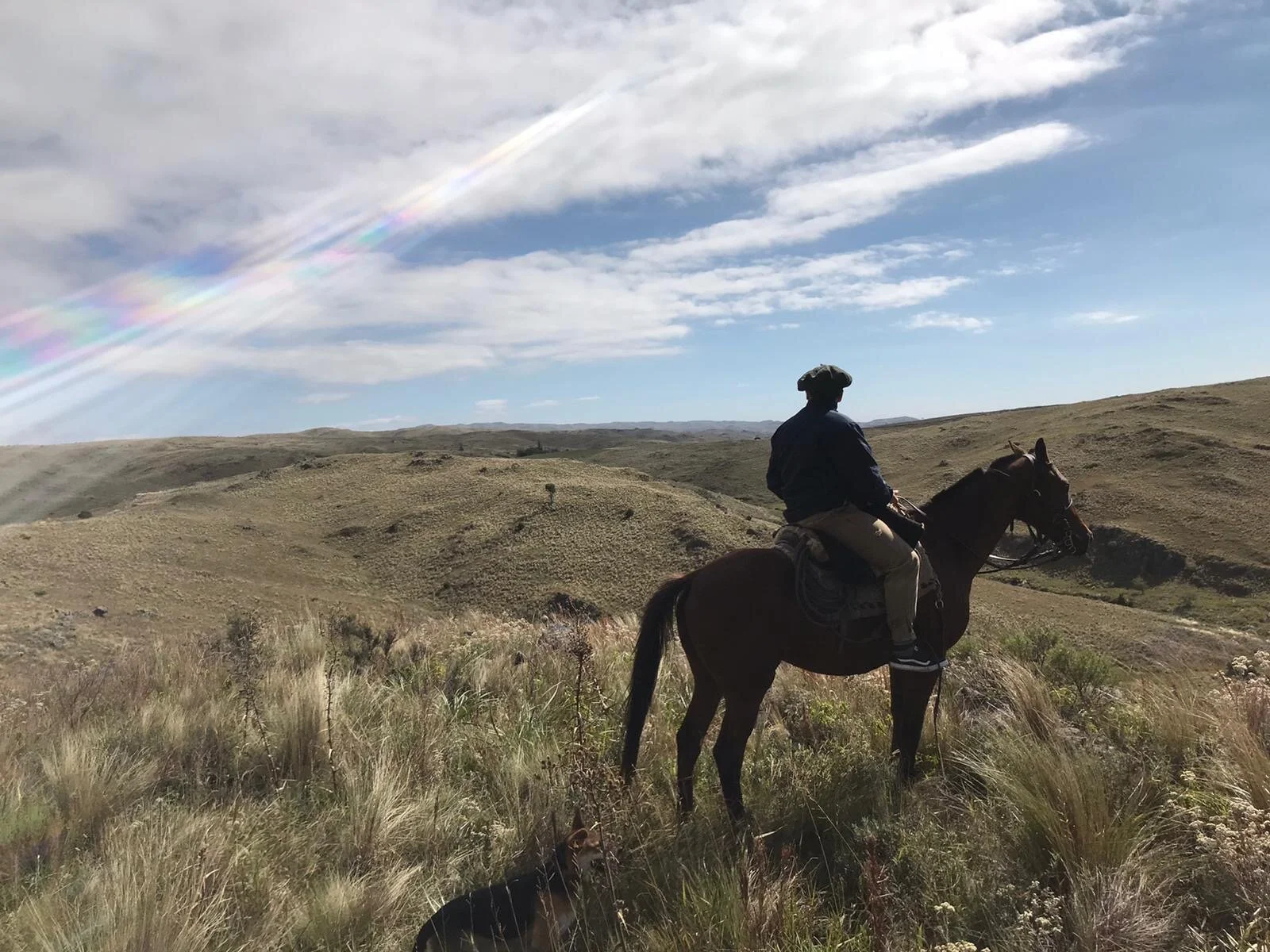
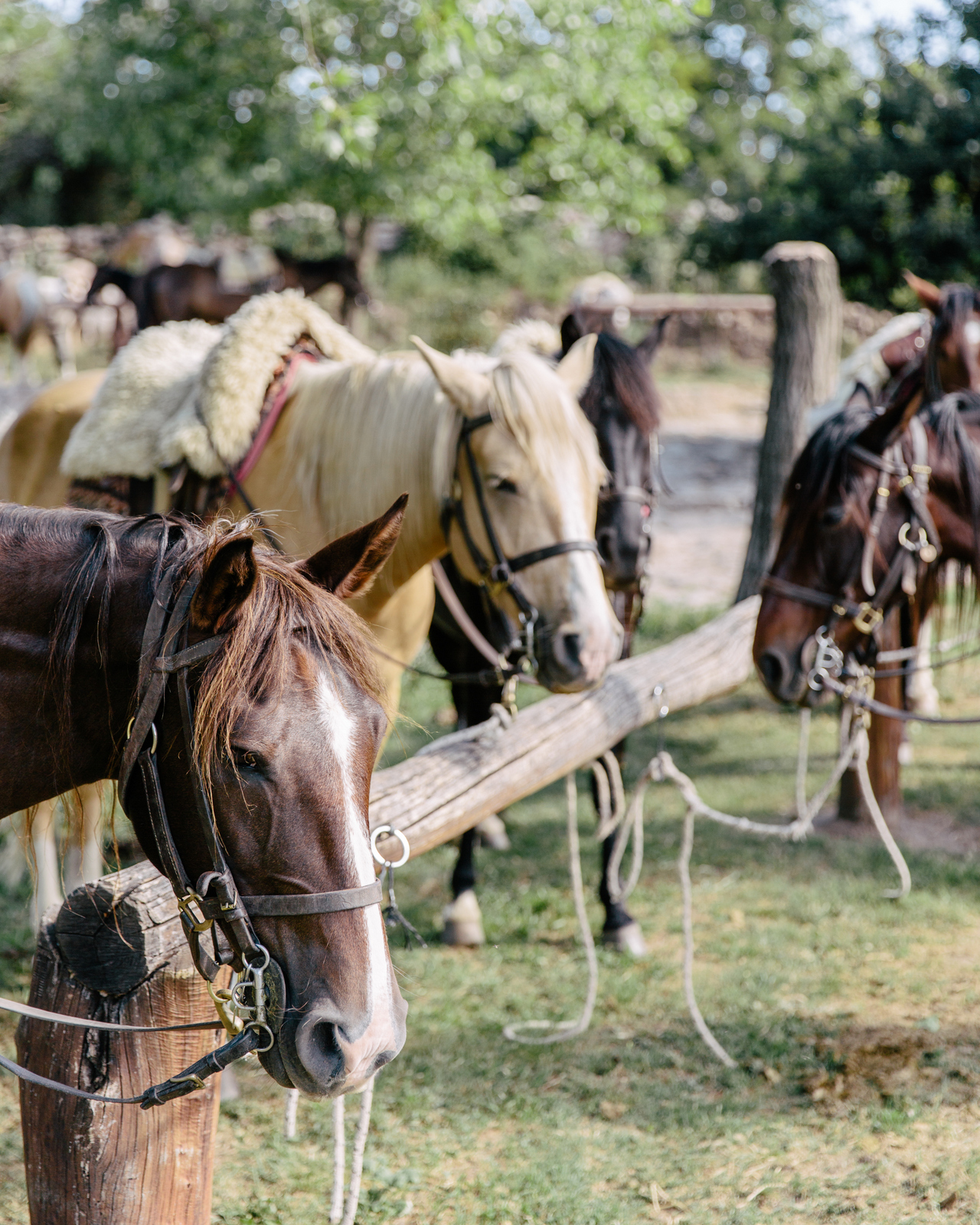
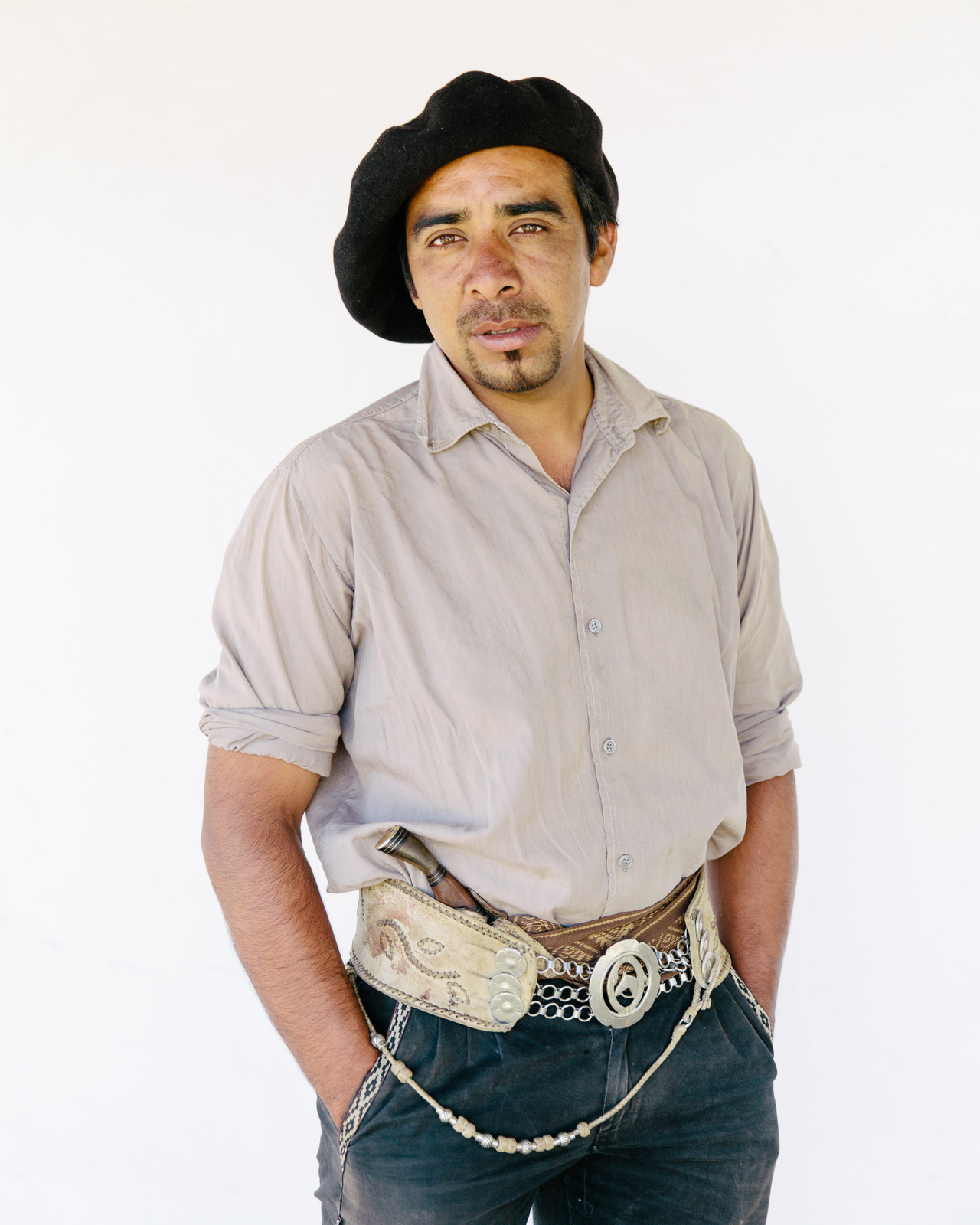
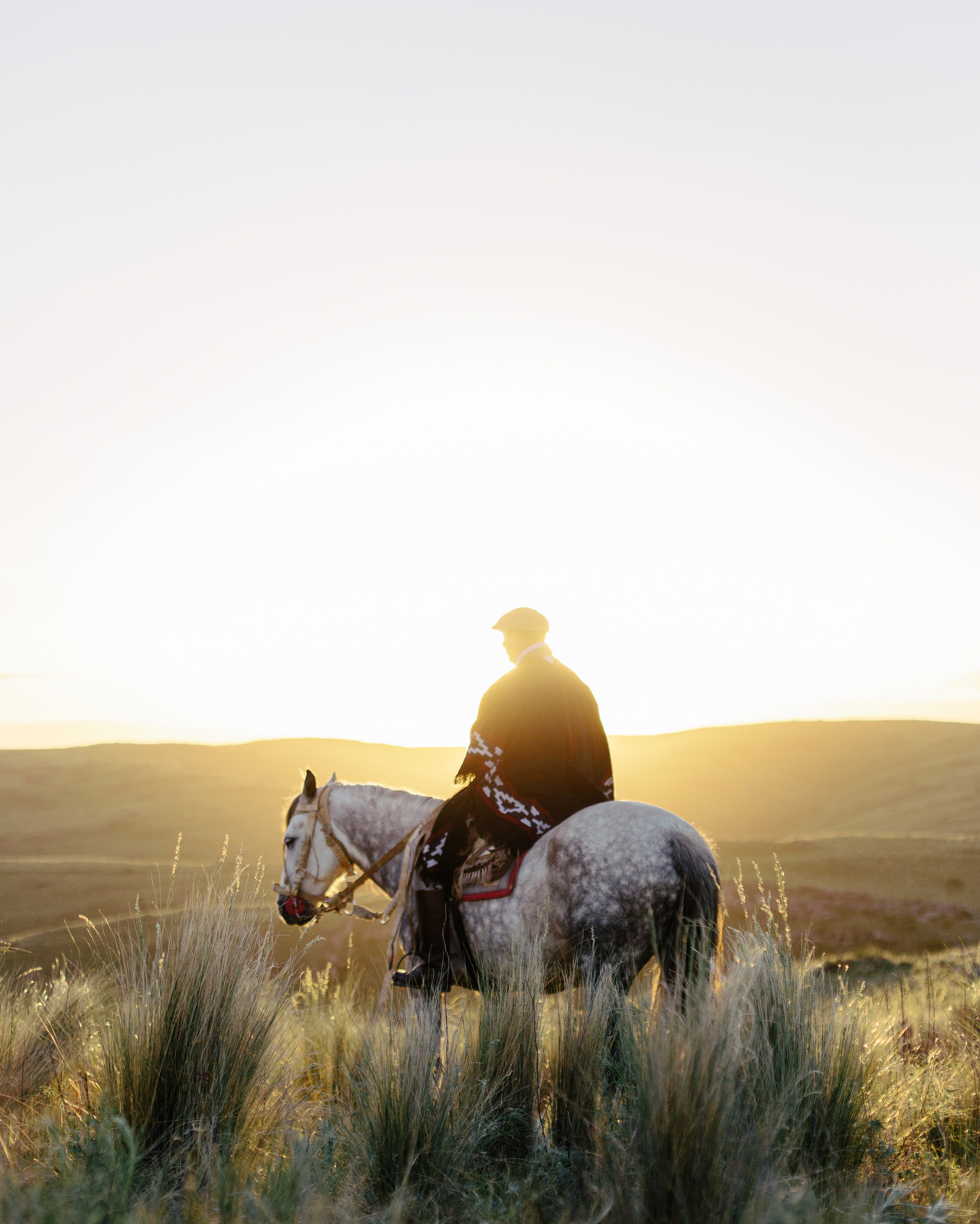
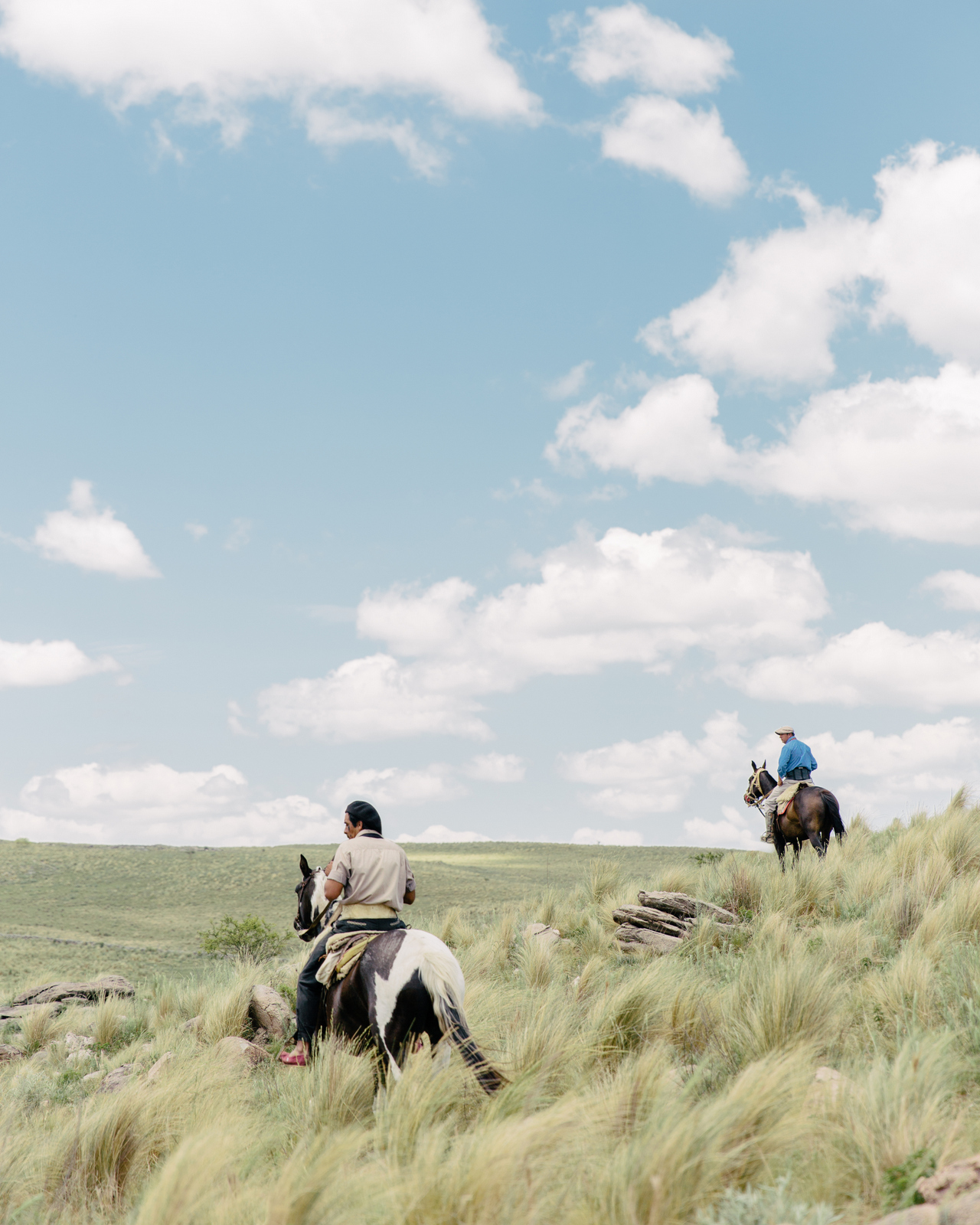
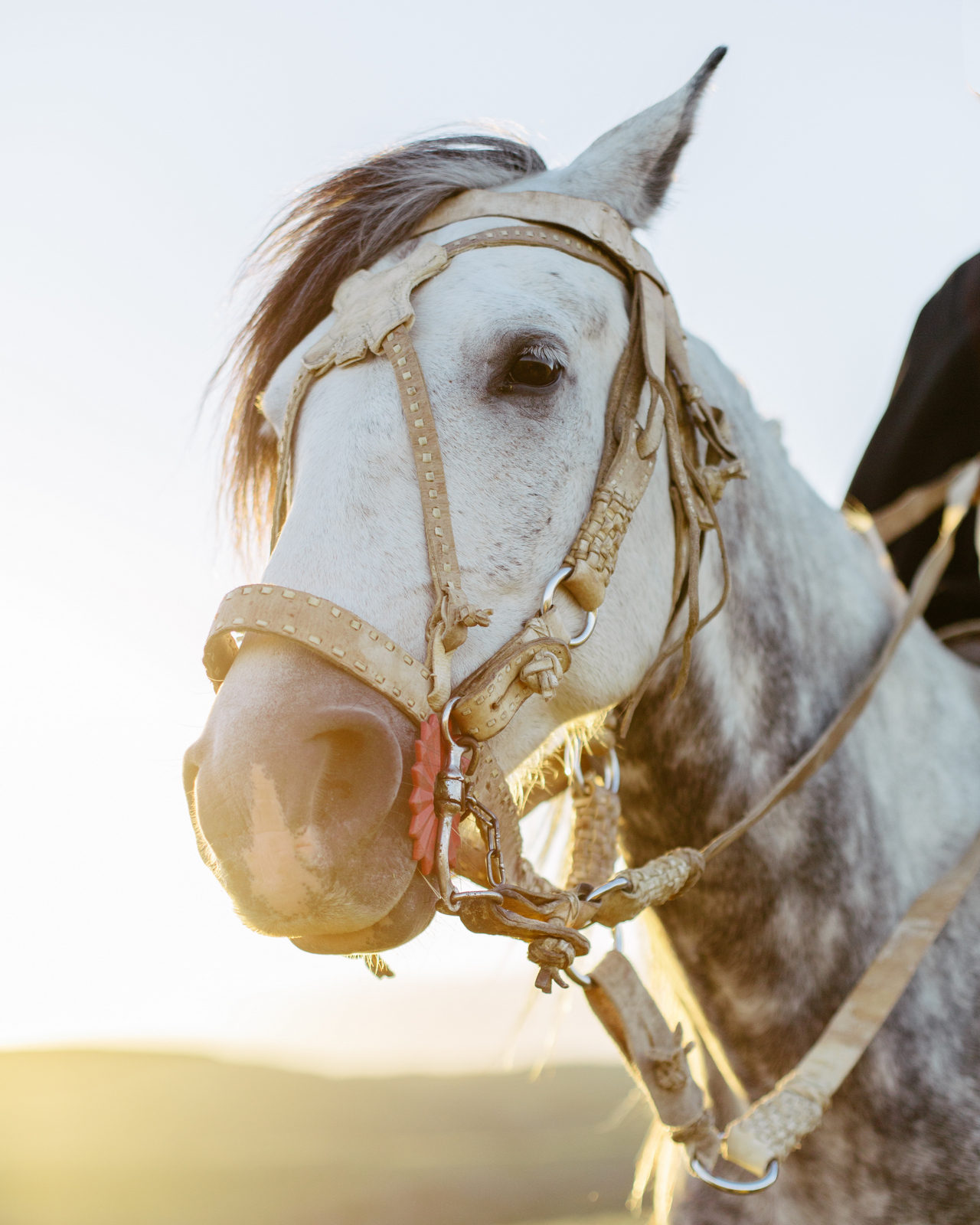
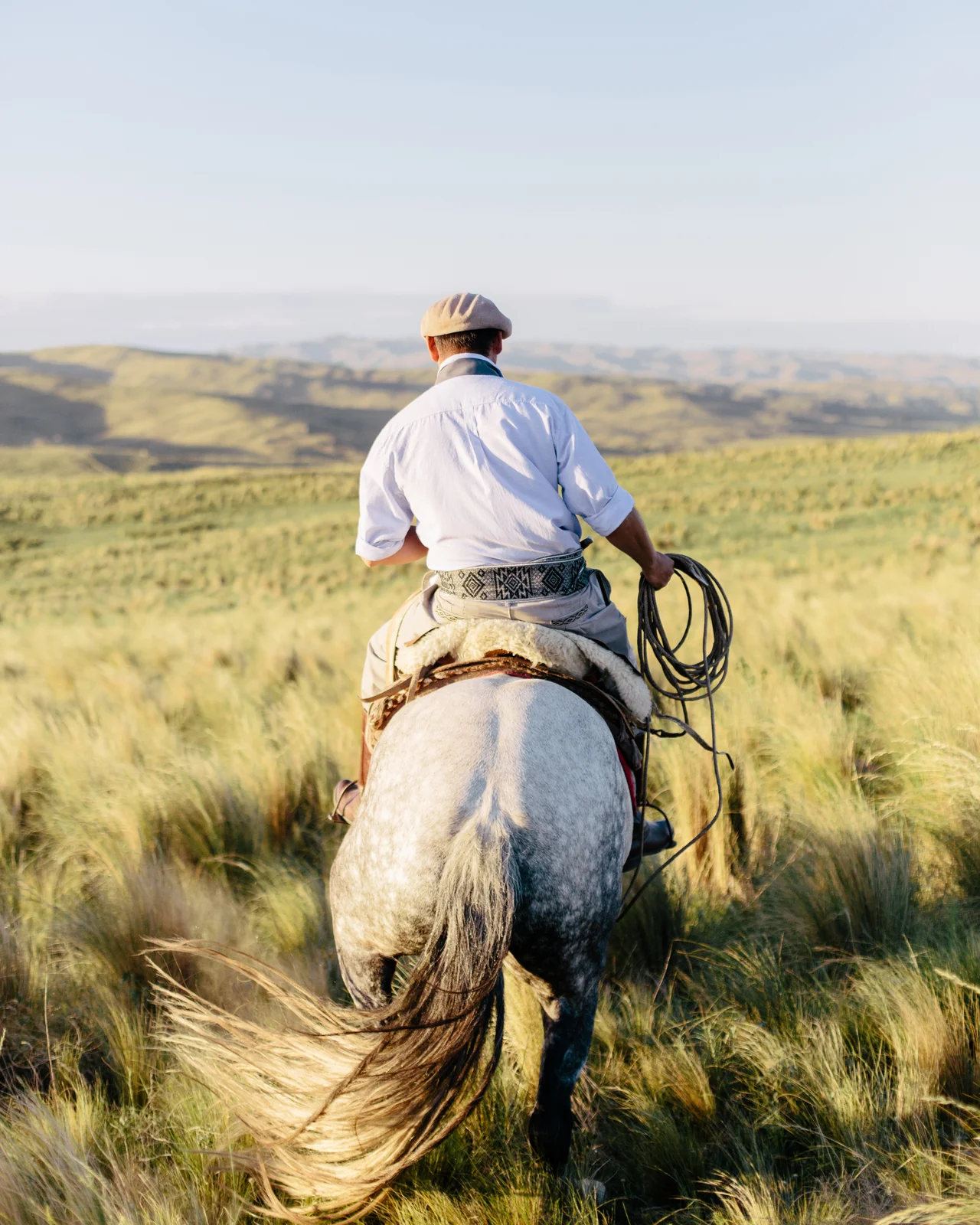
Gaucho folklore has made traveling horseback in Argentina somewhat of a rite of passage when visiting the country. Gauchos, with their relaxed riding style (one-handed with loose reins) remain the ultimate cowboys; an equestrian way of life is second nature. Today, there are many family-run estancias across the country’s various regions offering horseback experiences for travelers to ride like a gaucho on a variety of landscapes and terrain. In the Córdoba province in central Argentina, situated within the pampas grasslands and the Sierras de Córdoba foothills, Estancia Los Potreros is a traditional working family ranch where guests can ride alongside gauchos to help them achieve their daily tasks, partaking in gaucho games, such as ‘sortija’ or polo lessons, as well as trail riding, which is customized to match each person’s skill levels. The Córdoba province features some of the most varied terrains across Argentina, so in a single ride, travelers will ascend rocky outcrops opening to sprawling hillsides, hidden valleys with secret waterfalls and swimming holes, as well as visiting neighboring villages for a glimpse into rural life.

Introducing: Kevin Begg

Bringing Los Potreros to Life

As a fourth-generation member of the Begg family, Kevin Begg has grown up with a deep appreciation for the land, the culture, and the traditions that have shaped Estancia Los Potreros. Kevin is proud to continue the family legacy, managing the daily operations of the estancia and ensuring that its unique blend of Argentine heritage and authentic rural experiences thrives for future generations.

With a background rooted in agriculture and a lifelong connection to the estancia, Kevin has a hands-on approach to managing the property. From overseeing the Aberdeen Angus cattle and horse breeding programs to coordinating guest activities and events, he brings a deep understanding of both the practical and cultural aspects of ranch life.

Kevin’s commitment to sustainability and responsible tourism is at the heart of his approach to managing Estancia Los Potreros. He is passionate about preserving the natural beauty of the Sierras Chicas while ensuring that guests have the opportunity to experience the traditional gaucho lifestyle and the vibrant Argentine rural culture.

Known for his warm hospitality and approachable nature, Kevin loves sharing the stories and traditions of Los Potreros with guests, making sure that every stay is both enriching and memorable. Whether guiding a horseback ride through the pampas or discussing the estancia’s history over a traditional Argentine asado, Kevin’s dedication to his heritage and guests is felt in every aspect of the estancia.

Top 101 Best Hotels in the World

Introduction to the Top 101 Best Hotels in the World – Tatler

We were incredibly proud to be included in Tatler’s prestigious list of the Top 101 Best Hotels in the World, an honor that reflects our commitment to offering an exceptional and authentic experience at Estancia Los Potreros. This esteemed recognition places us among the most luxurious and unique destinations around the globe, highlighting the beauty of our unspoiled surroundings, sustainable practices, and genuine hospitality.

At Estancia Los Potreros, we offer more than just a place to stay - we provide an immersive journey into the heart of Argentina’s countryside. Whether guests are here for horseback riding, wildlife exploration, or simply to disconnect and embrace nature, our estancia is a destination that promises unforgettable memories.

Being part of Tatler’s list is a testament to the warmth, dedication, and passion that define everything we do. It’s an acknowledgment of the one-of-a-kind experience we offer, and we’re excited to continue welcoming visitors from all over the world to share in this extraordinary adventure.

Capilla de Buffo: A Hidden Sanctuary of Love, Science, and Spirit

Tucked away on the edge of our rolling hills is the Capilla de Buffo is far more than a chapel—it's a deeply personal monument, a blend of art, science, and eternal love. Built in the 1940s by Guido Buffo, an Italian-Argentine scientist, painter, and philosopher, this unique space serves as both a mausoleum and a spiritual refuge.

The chapel was created by Buffo in memory of his beloved wife Leonor Allende and their daughter Eleonora, both of whom passed away at young ages. Heartbroken but inspired, Buffo poured his grief into constructing a sanctuary that would honour their memory forever. The building’s design takes inspiration from the cardo santo (holy thistle) flower, a symbol of purity and fleeting beauty.

Every architectural detail, from the layout to the hand-carved symbols, reflects Buffo's emotional and spiritual connection to his lost family.

Guido Buffo was not only a spiritual man, but also deeply rooted in scientific thought. Inside the chapel, he installed three Foucault pendulums, instruments used to demonstrate the Earth’s rotation. These pendulums are not just scientific tools, they lend the space a mysterious, almost mystical ambiance.

In addition, the chapel’s acoustics were carefully designed to amplify even the softest sounds, creating an immersive sensory experience for visitors, one that balances silence with the subtle rhythms of nature and science.

On Sunday mornings, we like to ride down to the chapel and spend some time down their taking a tour and having an opportunity to witness something so unique and special. The memorial itself is filled with little symbols to honour both his wife and daughter, including circular metal discs on the floor which represent the star constellations on the night his wife died. Another fascinating element is every year on the birthday of his wife, a ray of sunlight, enters through the skylight on the roof and illuminates the alter.

Our Aberdeen Angus Herd

Our herd of Aberdeen Angus has been part of the estancia since the Begg family first settled here, although to begin with the cattle was bred primarily for personal consumption on the farm. Today the herd, much larger in size, is part of a commercial operation, every year developing the bloodstock further to produce an animal which calves easily and thrives on the poorer winter grass is a priority.

This year has been no exception and has been particularly exciting with the introduction of bloodlines which go directly back to Scotland and some of the original Angus cattle. Taking inspiration from our roots, we have focused these last few years in reintroducing traditional techniques into our daily life, by honoring the traditions that are historical to Estancia’s in Argentina.   

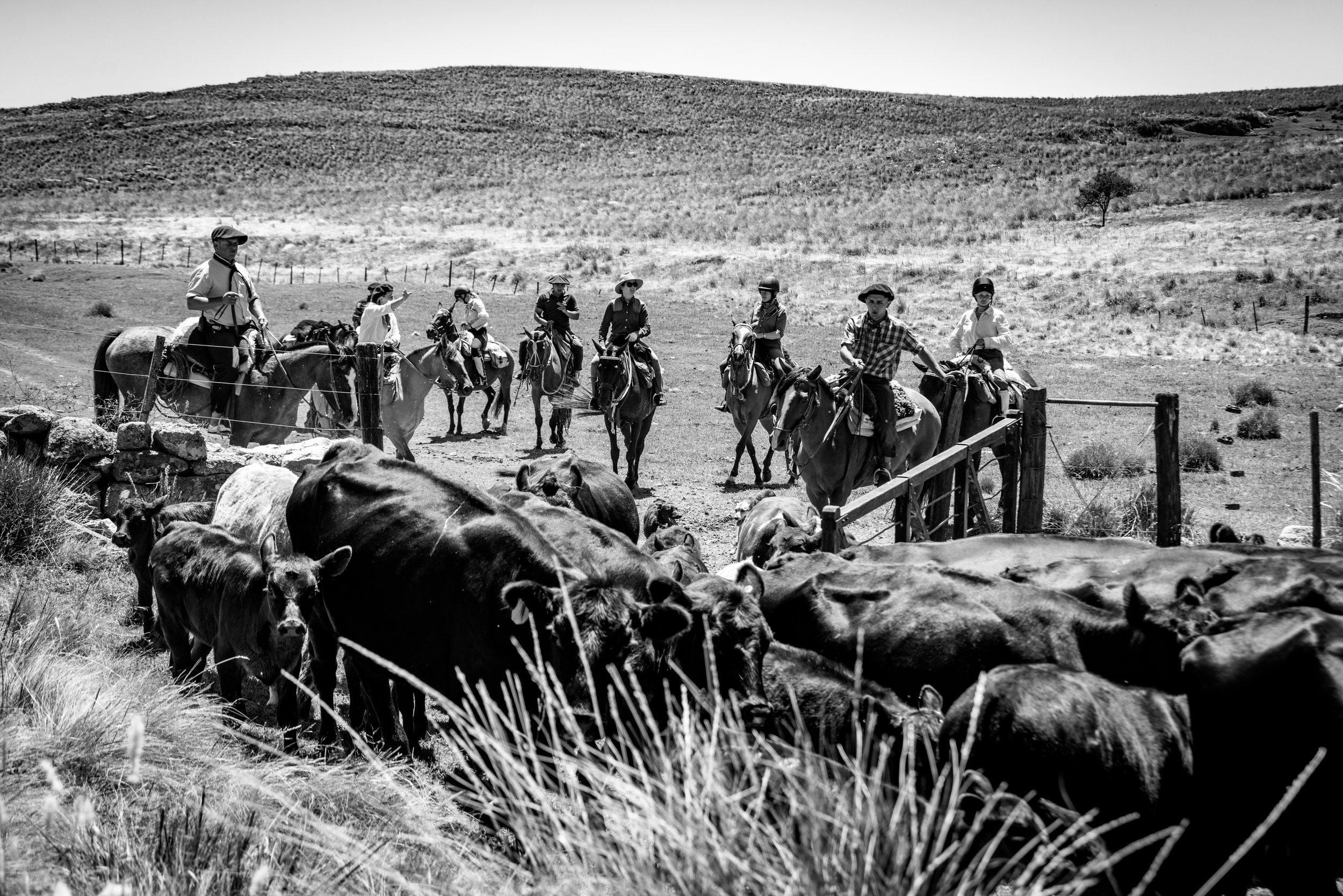
In the coming days and weeks we will begin to prepare for the annual cattle sales. The entire herd is rounded up from the adjacent hills and valleys and then the task of separating the animals begins. All cattle must be vaccinated and thoroughly checked before sale. Despite the blinding dust that begins to surround the corrals, the gauchos have exceptional skills in sorting the herd. 

Once the work is done the gauchos, guests, guides and neighbors sit down and enjoy a delicious asado on a long trestle table, ready for another day! 

BF7B9BDB-297D-4B68-82D6-CEF9655E5EB2.jpeg
51CE89D6-DCB6-46A3-ADA1-0152158DAE78.jpeg
F843B193-6E77-419D-A506-7AAAC4B4E89C.jpeg

The Modern Luxury of Responsible Travel

As countries around the world begin to relax their rules on quarantine, we can begin to think about turning our lock-down dreams into realities and begin to travel again. Over the last few months we have begun to witness a change in the natural world, perhaps a silver lining to such an overcast time. Air and water qualities have improved, wildlife across the world has begun to return to our cities and has begun to thrive in areas where they were once under threat, carbon emissions have started to drop and as a result so has air pollution.

This is a time to change how we travel, supporting hotels and destinations which have an ethos of responsible tourism and sustainable practices. Both of these are huge parts of life at Estancia Los Potreros. Still a working cattle estancia, we work hard to remain true to our original values.

We produce the majority of our energy through renewable resources mainly wind and solar all our farming is based upon organic principles. We try to minimise our impact on the land and allow nature to dictate our course, managing our herd carefully we prevent over-grazed and eroded land, ensuring we have sufficient grass for both our horses and cattle throughout the year. 

Located on a provincial reserve of the Sierras Chicas we have a farming style which continues to encourage the presence of incredible wildlife including the elusive puma, wild boar, foxes, hairs, and with regularly sightings of the Andean Condors, whose habitat lies across the Punilla valley, in the Sierras Grandes.Although we are known for our world class riding we have an incredible variety of birdlife year round, from the commonly spotted burrowing owls, field flickers and southern lapwings to visits from the more exotic peregrine falcons, black vultures and American kestrels. 

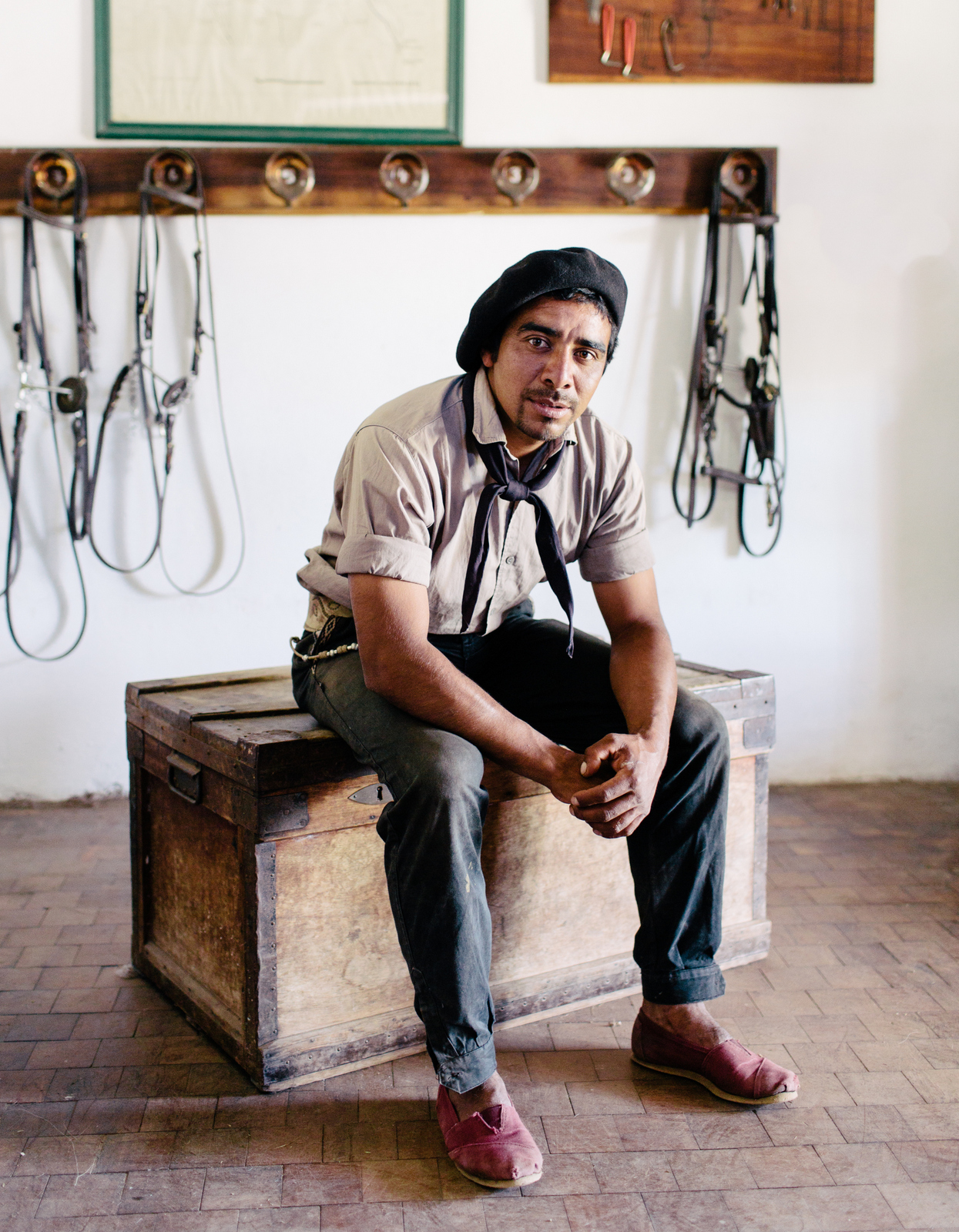
Supporting our community is very important to us, the majority of our staff are a part of our family. Many have followed in the footsteps of their elder brothers, fathers, grandfathers, and even great grandfathers, who have worked alongside the Begg family for generations. We have long supported the local rural school, with the help of our guests. By running a small shop on the estancia, we donate all the income to the school, which is where many of our gauchos studied, and is now attended by their children. 

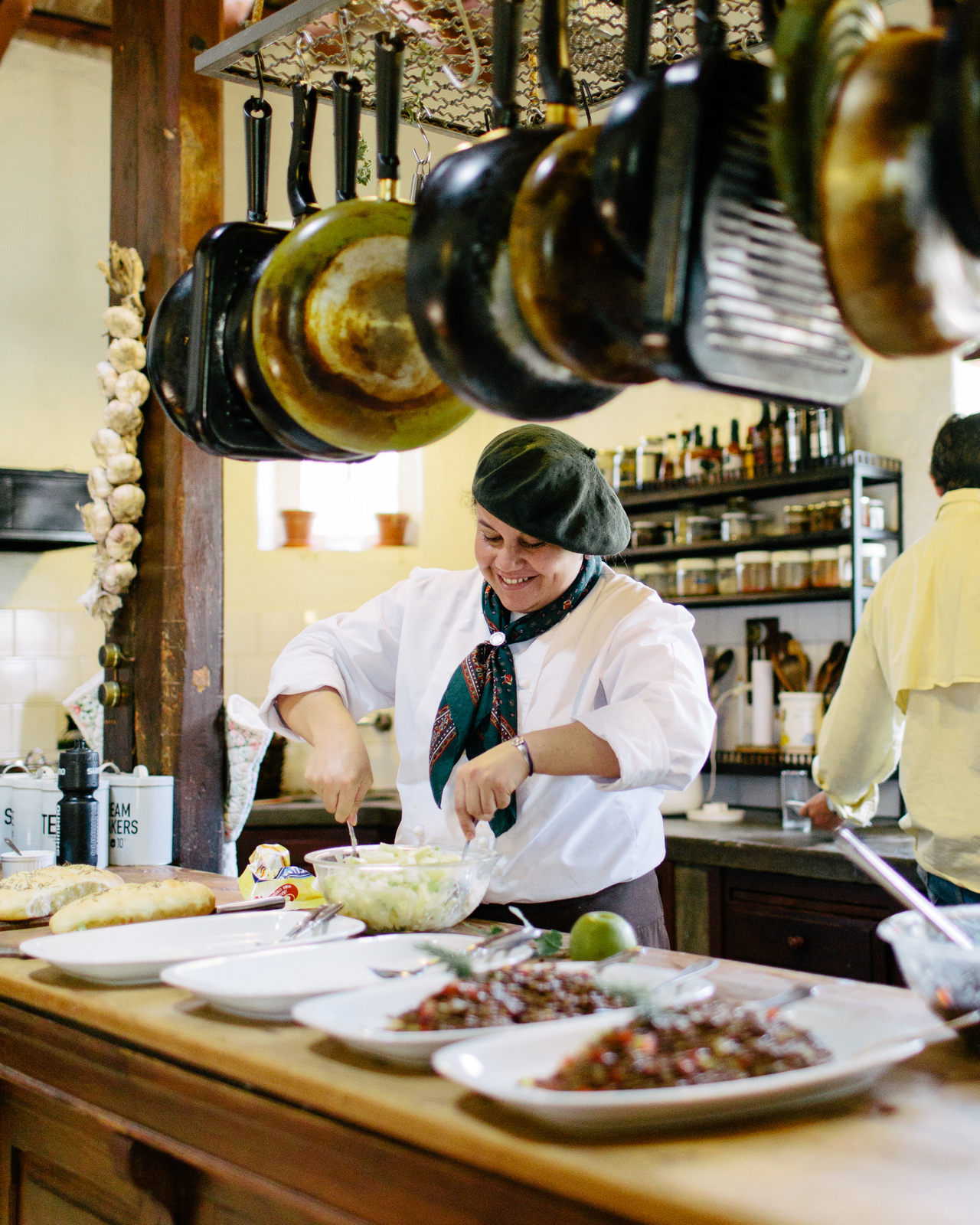
Our commitment to responsible tourism was born out of a necessity, as our location is off the grid, and we have to be as self-sufficient as possible, but now more than ever we are working on minimising our impact on our environment. Although this doesn’t mean we are for-going luxury, we are redefining the way we live. Even mealtimes celebrate each season of fruit and vegetables accompanied by tender delicious beef from the estancia.

One of life’s great luxuries should be to leave a positive impact on the places we love to visit, helping them to protect their culture and history but more importantly ensuring we will be able to visit time and time again for years to come.

056_Architecture_TCunniffe.jpg

Through the Guides Eyes...

The world has been hugely affected by the ongoing pandemic of 2020 and it is something I am sure many of us will never forget; from the shortage of toilet paper to the extensive period of social distancing, disruption has been widely felt and Argentina is no exception. Although life on a working cattle estancia continues one of our guides Sammie has decided to share with us an insight into quarantine at Estancia Los Potreros.

Herding Cattle with Sammie and Pachi.JPG

‘Que estamos separando? What are we separating?’

´Las lindas de las feas. The beautiful from the ugly´

A year ago today, if you’d told me that I’d be chasing cows around a corral on foot, separating the ‘good looking’ from the ´ugly´ ones I´d have thought you were mad; but here we are. 

For many across the globe, COVID-19 has put a halt on life, but work doesn´t stop on a farm. This week we pregnancy tested our Aberdeen Angus cows. With the horizon still aglow from a tangerine sunrise, six of us tacked up our horses and headed out to the campo in search of cows in order to herd them to our cattle station. With my ´compañero´ Pachi we headed out across the sierras. ´Go over that hill, and push any cows you find, over the other hill´ Pachi (unhelpfully) instructed; hills, that I might add, are as high, if not higher than Ben Nevis.

Wanting to prove my worth, I cantered over the crest and found some cows scattered over the rock and crag. My horse, Muchacho, much better versed in cow herding than me, and certainly more sure-footed, found his way through the difficult terrain. Nearly six months have passed and I still can´t whistle like the gauchos, but I have learnt to copy their various calls (and Spanish vocabulary that I definitely wasn´t taught as school). Pachi and I reconvened and pushed our cows together. Eventually three distinct lines of cattle from opposing directions converged and the six of us pushed the whole herd to the cattle station. 

Once the cows were separated we quickly took up a station each in order to start testing. Georgie on her horse in the corral pushed 10-15 cows into a smaller corral; Pachi then moved one into the shoot; a gate was then shut behind it (my job); Headman Dani clamped the head; Kevin read out the number to Georgia on his chip reader; the vet entered and inserted her arm to ascertain how far along the cow as with her calf. The cow was then released, and the process started again, only stopping for an asado lunch, cooked by Daniel. 

Work was over for the vet, but not for us. Dust and sweat mingled on our brows, as we then began to separate the female from the male calves, on foot. It was only halfway through this process that I realized the gauchos had rebenques, and we didn´t. Great. If you want to picture what this looks like, all you need imagine is a game of dodgeball, but with live cows. 

Soon we had released all the males, and the next task was to find the 70 best-looking female cows, who were to be the estancia´s future mothers. Previously unbeknown to me, there are certain things you look for in a cow: normally short legs, but here longer ones so that they are able to easily traverse the rocky terrain. Also, a larger build and a ´nice face´ (I still don´t know what this actually means, but the gauchos seemed to). The rest were released, and these 70 would remain in the corral for the next three days to be weaned from their mothers (who would wreak havoc on the estancia trying to find them for the next 72 hrs.)

We rode home as the sun began to set, exhausted and filthy, but soaring in spirit. I reflected on the day, and my life here, wondering what the world will look like when our new calves enter it, and whether, after all of this, I´ll leave Los Potreros more fluent in Spanish or cow?

For enquiries about our guide program please send us your CV to marketing@estancialospotreros.com

Pachi.JPG

Estancia Los Potreros: Argentina’s Wild Heart on Horseback

Estancia Los Potreros: Argentina’s Wild Heart on Horseback

The latest press on Estancia Los Potreros!

Tradition, Community, and Cattle: A Look Inside Our Annual Estancia Sale

Tradition, Community, and Cattle: A Look Inside Our Annual Estancia Sale

The annual cattle sales are one of the major events of the estancia year. Preparation starts a few months before when the animals are selected for sale, and a few days before the auction they are tagged and then transported to the auction yards, about an hour away from the estancia. It is always exciting to visit the auction and see the auctioneer in action.

Through the eyes of . . .

. . . .photographer Kevin Faingnaert.

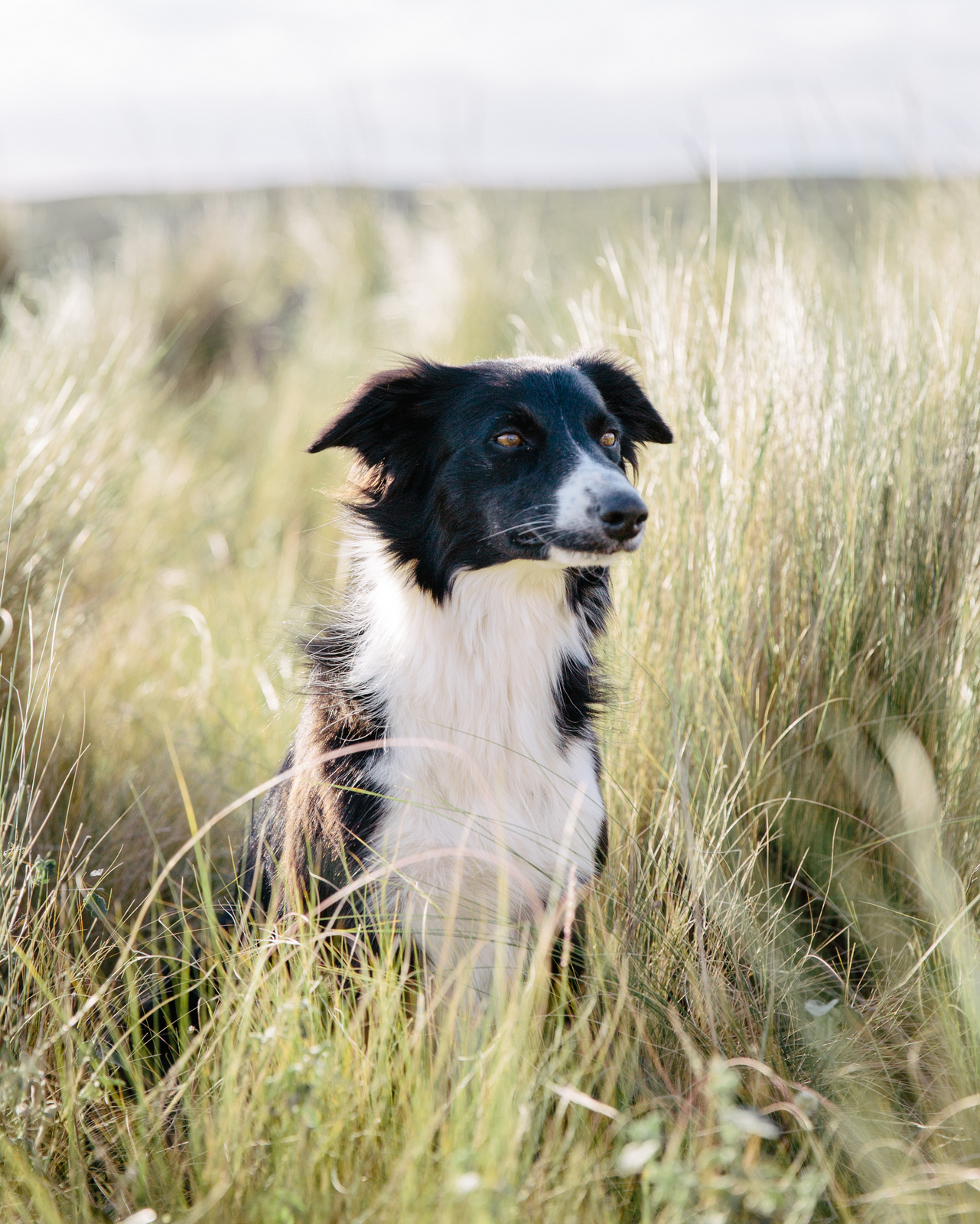
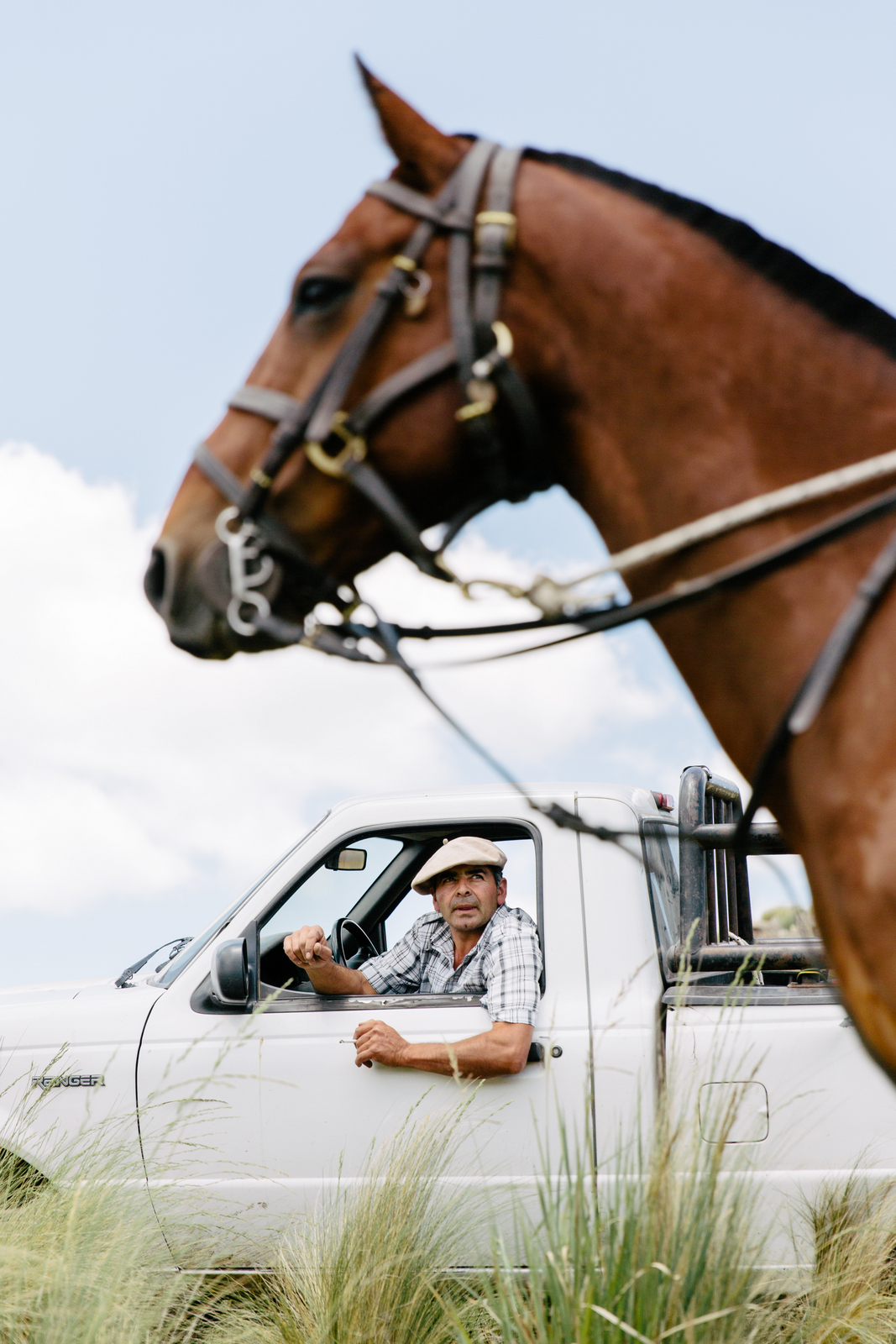
A few weeks ago, well-known Belgian photographer Kevin Faingnaert approached us to ask if he could spend a few days on the estancia as part his travels through Argentina, Peru and Bolivia. Here is a small selection of his wonderful images from his time on the estancia. Do take a moment to have a look at more of his photos from his recent travels on his website, www.kevinfaingnaert.com.