
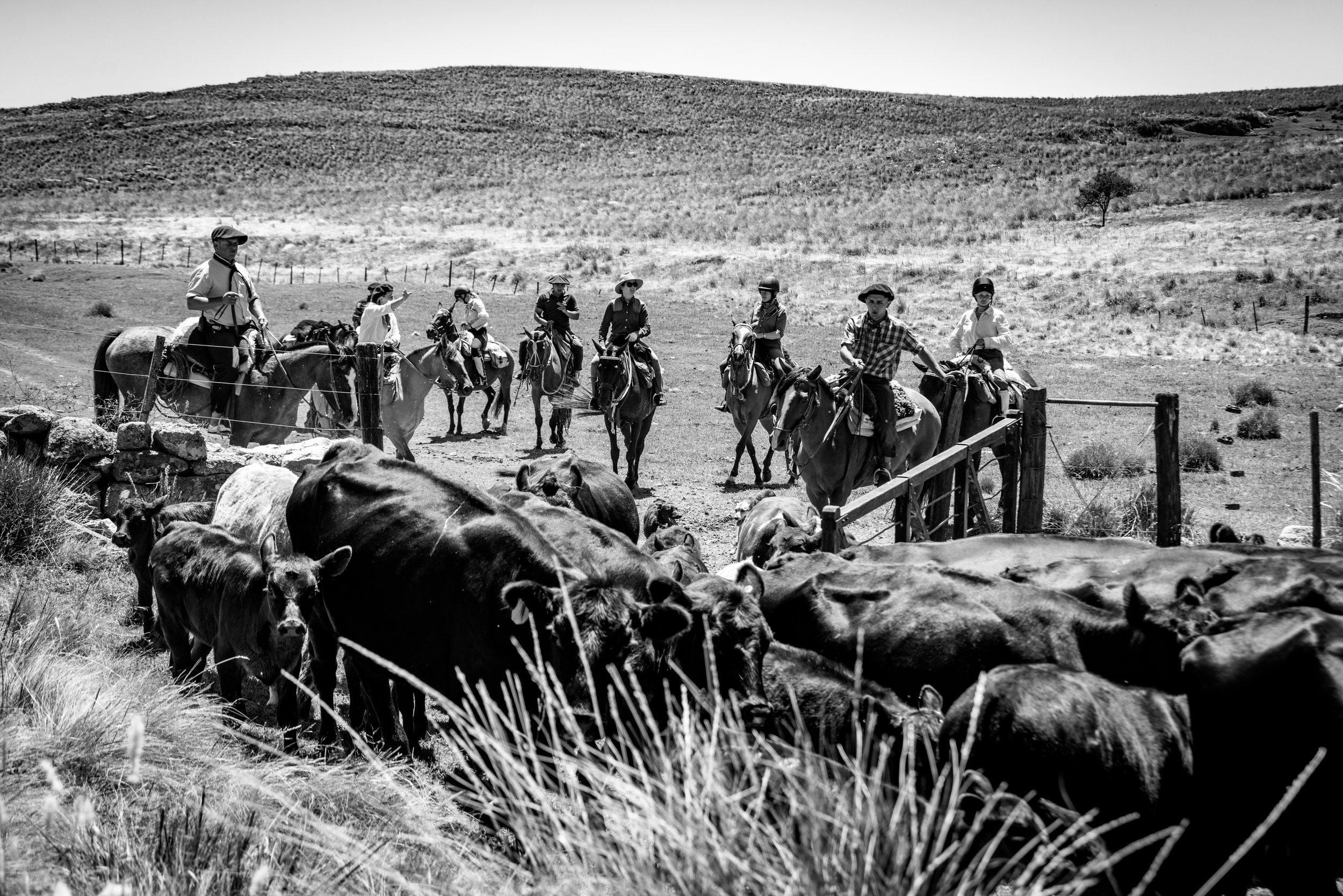
Riding Into Tradition…
Deep in the rolling hills of Córdoba, Argentina, the spirit of the gaucho still rides strong. At Estancia Los Potreros, this isn't a museum piece - it's daily life. Gauchos are Argentina's legendary horsemen, born from centuries of cattle-herding on the vast Pampas grasslands. Skilled, independent, and deeply connected to the land, they became a symbol of national identity, much like the cowboy in North America or the llanero in Venezuela.
The gaucho's story stretches back to the colonial era, when mixed-heritage horsemen roamed the open plains, living off the land and driving wild cattle herds long before fences and property lines carved up the countryside. Over time, as ranching became more structured, gauchos evolved from wandering nomads into skilled ranch hands - men whose knowledge of horses, cattle, and terrain made them indispensable to the great estancias that still define rural Argentina today.
Their influence stretches far beyond horsemanship. Gaucho culture has shaped Argentine music, folk dance, and cuisine - from the smoky rituals of asado barbecue to the soulful, improvised verses of payada singing, where two performers trade rhymed lines set to guitar. Traditional dances like the chacarera and zamba, born in gaucho communities, remain staples at rural festivals and family gatherings alike. Writers and poets also drew heavily on gaucho life as a wellspring of national literature; José Hernández's epic poem Martín Fierro stands as perhaps the most iconic literary tribute to this way of life, cementing the gaucho's place in Argentina's cultural memory for good.
Even the gaucho's clothing tells a story. The wide-brimmed hat, the loose bombacha trousers, the woven faja belt, and the sharp facón knife weren't just practical tools for life on horseback they became enduring symbols of rugged independence and pride, still worn today during festivals and rodeo-style gaucho competitions known as jineteadas.
Visiting an estancia like Los Potreros offers a rare chance to experience this heritage firsthand. Guests can ride alongside working gauchos through the dramatic sierra landscapes, help move cattle across open pasture, and share meals rooted in generations-old tradition. It's a living connection to a culture that has managed to endure - not frozen in the past, but carried forward by the people who still saddle up every morning to do the same work their ancestors did.
In a rapidly modernising world, the gaucho remains a quiet reminder that some traditions are worth preserving not out of nostalgia, but because they still work and still matter.

