Gaucho

Uncover the Legacy of the Gauchos in Córdoba, Argentina

Culture, History & Way of Life in Córdoba

The gauchos of Argentina rank among the most iconic figures in all of South American history - yet most outsiders only see the surface: a wide-brimmed hat, a horse at full gallop, a fire with a side of beef. In Córdoba province, the picture is richer and more nuanced. Córdoba's gauchos have shaped the land, the language, and the collective identity of Argentina's geographic heart for more than three centuries. Whether you're a history enthusiast, a culture-focused traveler, or simply curious about the soul behind the stereotype, this guide covers it all.

Who Are the Gauchos of Argentina?
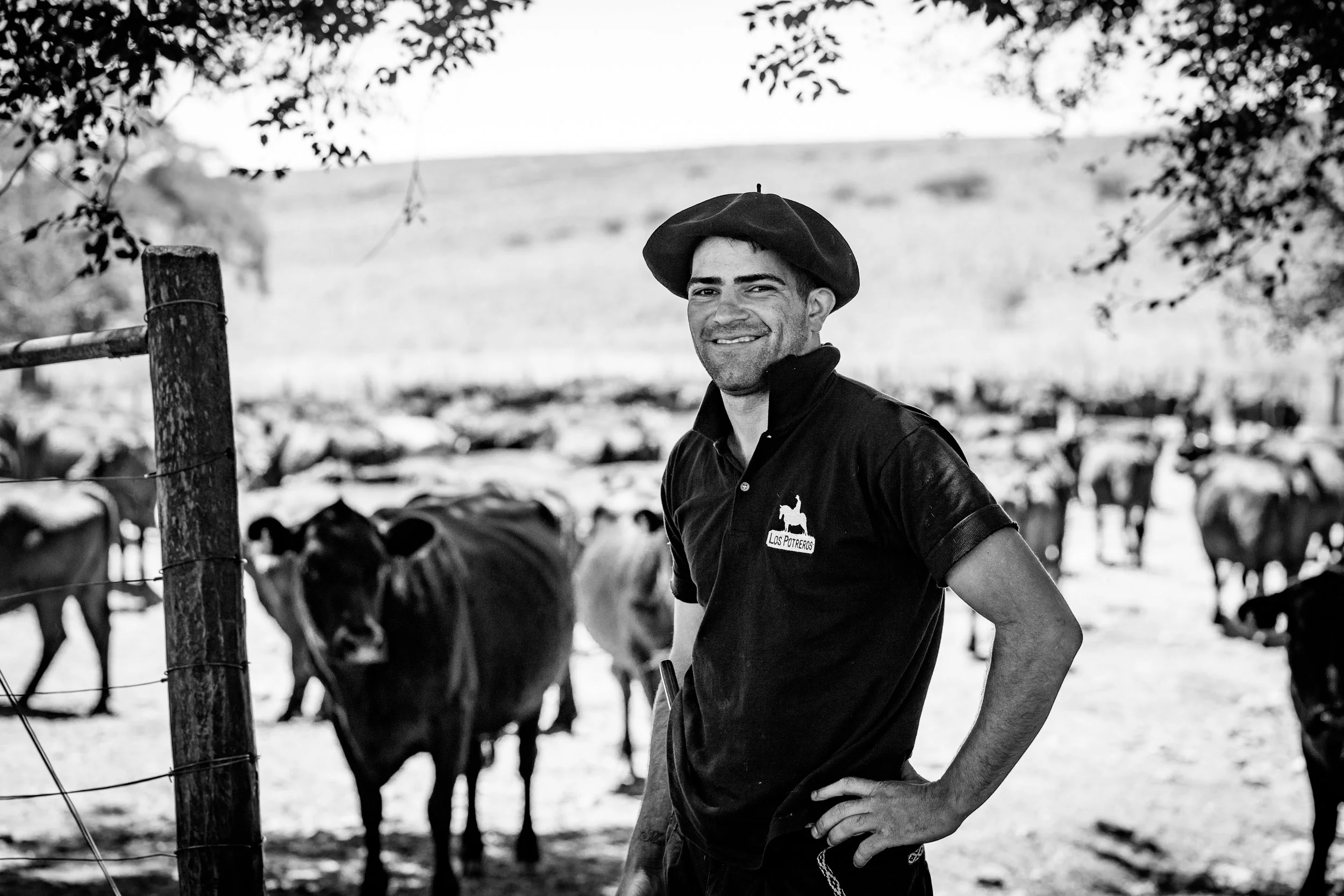
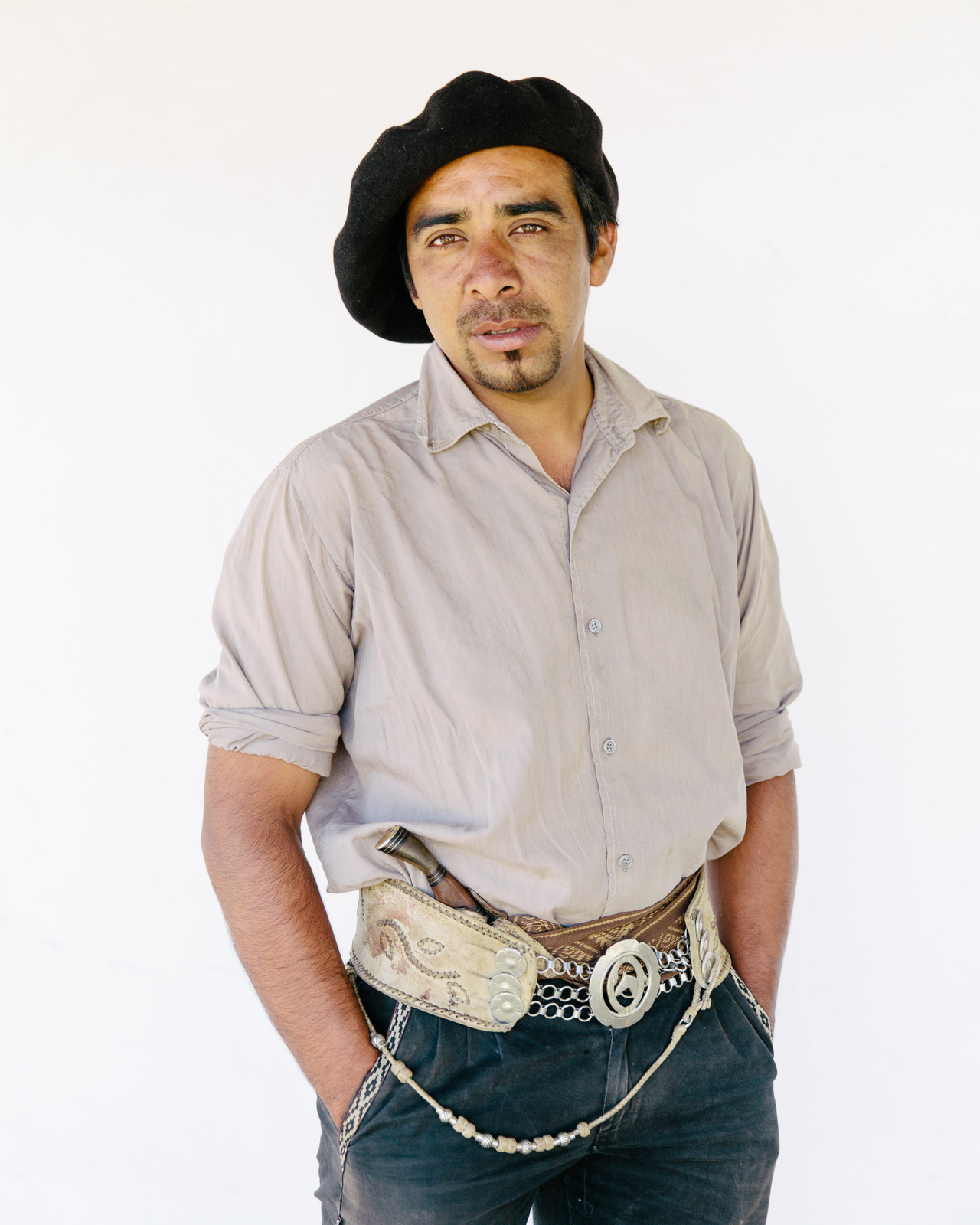
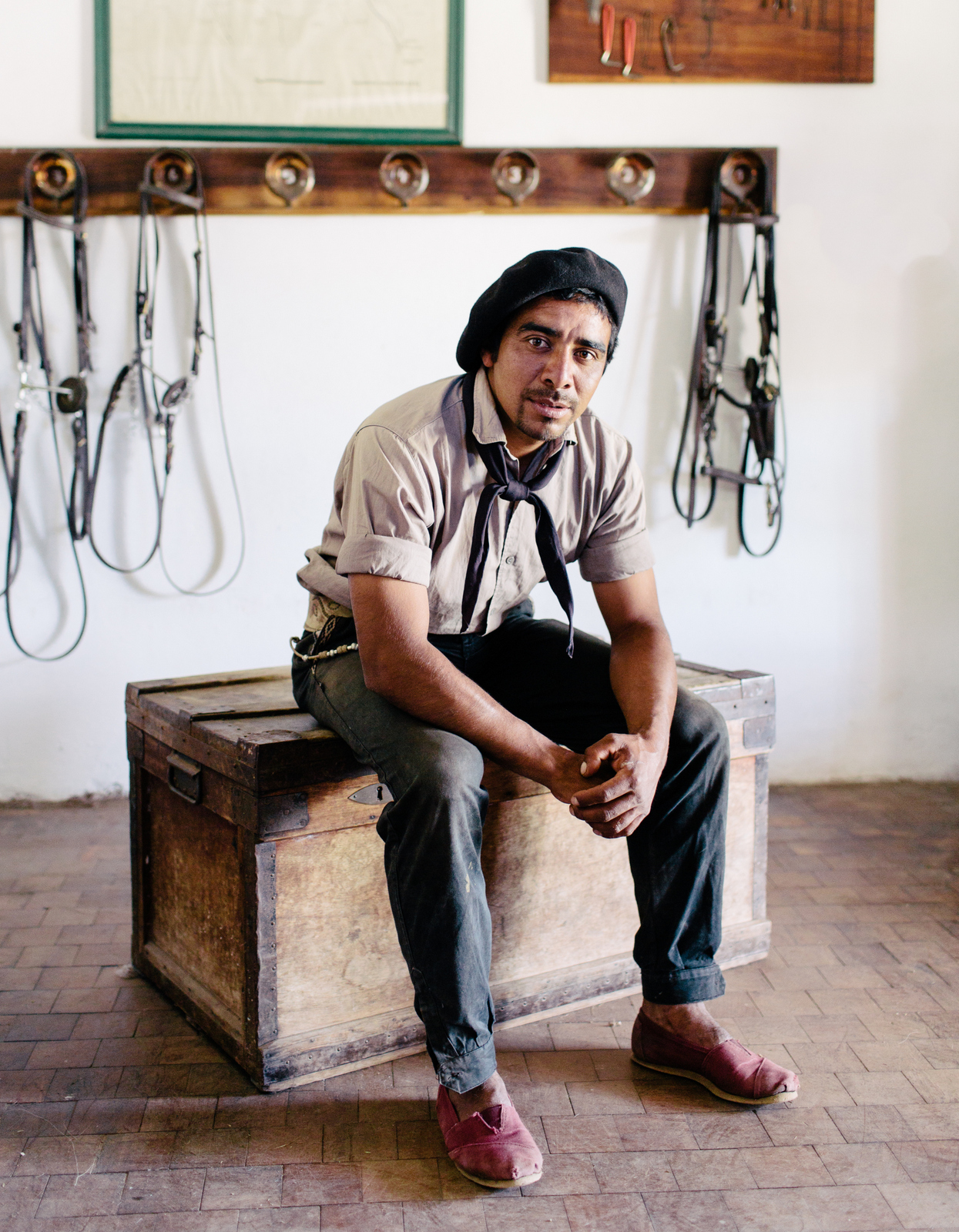
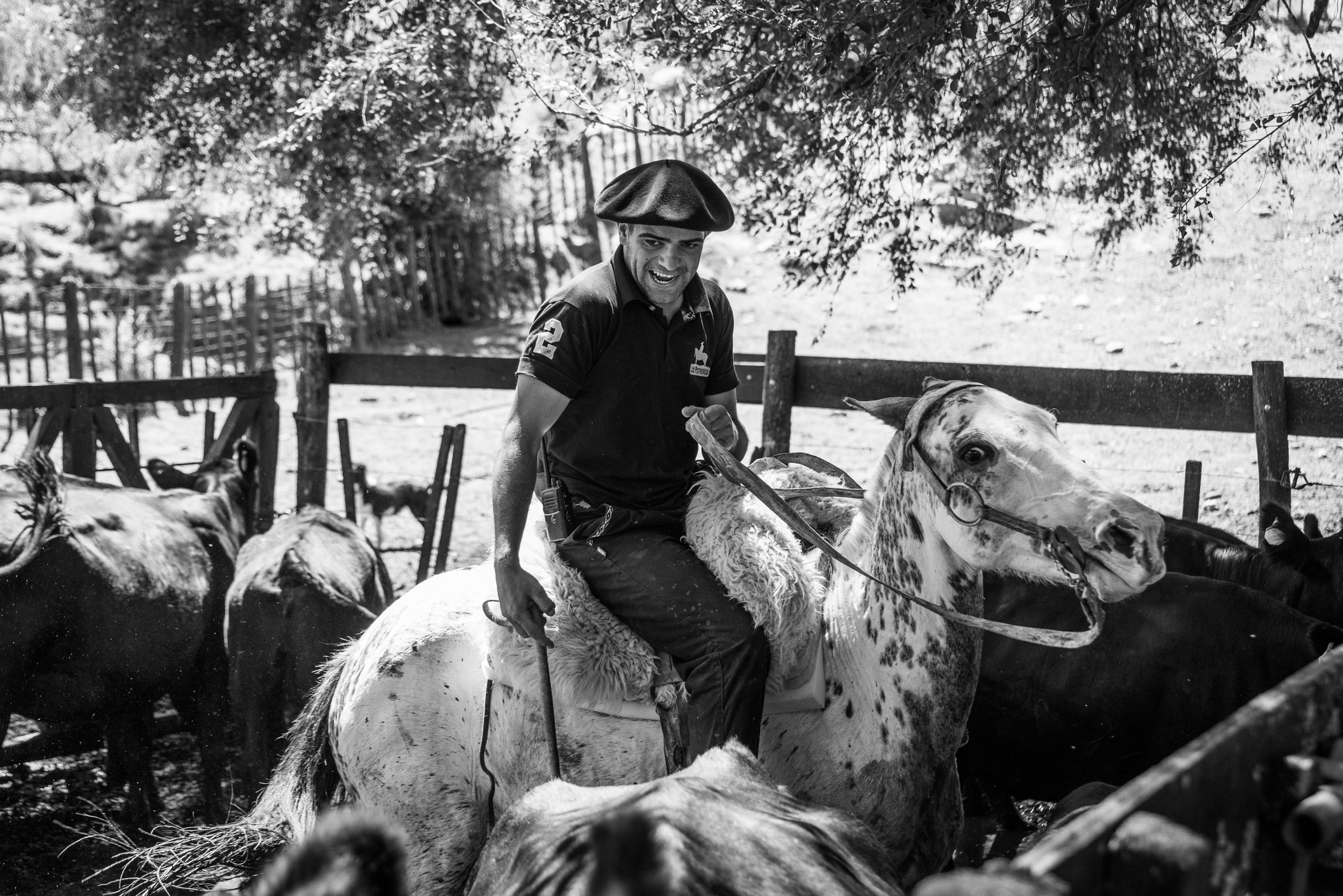
Yoni, one of the Estancia Los Potreros gauchos

The word gaucho likely derives from the Quechua term wáchu, meaning "orphan" or "wanderer," and for much of their early history, that label fit. Gauchos were skilled horsemen and cattle herders who roamed the vast grasslands of the Southern Cone - principally the Pampas, the Patagonian steppe, and the foothills of the Andes sierras.

They were not a single ethnic group. Argentine gaucho culture emerged from a blend of Indigenous peoples (primarily Querandí, Comechingón, and Ranquel), Spanish settlers, and later African descendants brought during the colonial era. This mestizo identity is both their origin story and the source of their enduring complexity.

In Córdoba specifically, the gaucho was shaped by a slightly different geography. Rather than the flat, endless Pampa Húmeda of Buenos Aires province, Córdoba's gauchos learned their trade across a more varied terrain: the Sierras Chicas and Sierras Grandes mountain ranges, the flat eastern plains (the pampa cordobesa), and the dry brush of the north. The result is a regional gaucho tradition that is distinctly serrano - mountain-tested, tough, and fiercely proud.

Origins and History: From the Pampas to Córdoba

Colonial Roots

Spanish colonizers arrived in what is now Córdoba in 1573, founding the city of Córdoba de la Nueva Andalucía under Governor Jerónimo Luis de Cabrera. With them came cattle and horses - animals that would, within a generation or two, escape into the wild and multiply into enormous feral herds across the Pampas.

Indigenous peoples and the mixed-race children of settlers quickly became expert riders, mastering the horse in ways that even the Spanish themselves had not anticipated. By the late 1600s, a recognizable gaucho culture had taken shape in Córdoba's rural outskirts and in the estancias (ranches) that stretched toward what is today the province's eastern agricultural heartland.

The 18th and 19th Centuries: Peak Gaucho Era

The gaucho reached the height of his influence between roughly 1750 and 1880. In Córdoba, this period coincided with a booming hide and cattle-trade economy. Gauchos were the indispensable labor force: they rounded up semi-wild cattle (cimarrones), drove herds hundreds of kilometers to market, and defended estancias from raids.

Politically, the gauchos of Argentina played a decisive role during the Wars of Independence (1810–1818). In Córdoba, gaucho militias fought under General Manuel Belgrano in the Army of the North, helping to push Spanish royalist forces out of the region. The gaucho was no longer just an economic figure - he was a patriot.

The late 19th century, however, brought the alambrado (barbed-wire fence), the land reform laws, and the expansion of European immigrant agriculture. The free-roaming gaucho was slowly hemmed in, transformed from a nomadic outsider into a settled ranch hand (peón de campo). Many historians mark this as the moment the gaucho became a symbol - precisely because the independent way of life was disappearing.

The Gauchesque Literature Movement

In Argentina, the gaucho's cultural codification happened most powerfully through literature. The epic poem Martín Fierro (1872) by José Hernández painted the gaucho as a noble, persecuted everyman - a figure of resistance against an unjust state. Though Hernández was writing from Buenos Aires, the poem resonated deeply in Córdoba, where rural communities recognised their own experience in Fierro's struggle. Today Martín Fierro is considered Argentina's national literary monument, and gauchos from Córdoba's sierra villages can often quote it from memory.

Gaucho Culture in Córdoba Province

Córdoba is Argentina's second most populous province, yet step even forty kilometers outside the city and the gaucho world reasserts itself completely. The cultural footprint is visible in everyday life:

• Rural festivals (fiestas patronales) still revolve around horsemanship competitions.

• Local radio stations in the Traslasierra valley broadcast folklore music - the rhythms of the chacarera, zamba, and cuarteto that grew from gaucho campfire tradition.

• The term paisano (countryman) is used as a term of deep respect, not condescension.

• Family estancias in the Punilla and Calamuchita valleys have operated under the same surnames for five or six generations.

In the sierras west of Córdoba city - particularly around Villa General Belgrano, Mina Clavero, and La Cumbre - you'll find communities where gaucho identity is not a performance for tourists but an active, lived reality. Cattle are still worked on horseback. Lambs are still roasted over an open fire called a asador. And the recado (the layered saddle) is still assembled by hand.

Food, Mate, and the Gaucho Table

Argentine gaucho culture and food are inseparable, and in Córdoba, the tradition runs deep.

The Asado

The asado (barbecue) is the centerpiece of gaucho social life. In Córdoba's countryside, this is not simply a meal — it is a ritual with clear protocol. The asador (grill master) tends the fire for hours, positioning cuts of beef, lamb, kid goat (chivito cordobés), and chorizo over coals — never directly over flame. A proper sierra asado includes:

1. Offal cuts first — chorizos, morcilla (blood sausage), and achuras (kidneys, sweetbreads).

2. Ribs and flank cuts next, cooked slowly on the iron cross (cruz de hierro).

3. A larger cut like asado de tira or a whole lamb to finish.

The chivito cordobés — kid goat roasted on an open spit — is considered Córdoba's signature gaucho dish and is notably distinct from the beef-heavy traditions of the Buenos Aires Pampas.

Mate Culture

Mate is more than a drink; it's the currency of social connection. On any Córdoba estancia, the day begins before sunrise with a round of mate shared among everyone on the property - the patron, the workers, guests. It's passed in silence or conversation, always in the same direction, always without thanks (saying "gracias" signals you've had enough). To share mate with a gaucho family in Córdoba's hills is to be, at least momentarily, welcomed as part of the household.

Locro and Other Staples

Beyond asado, the gaucho diet has always been hearty and practical:

• Locro: A thick stew of corn, white beans, squash, and pork, cooked for hours. It's the dish of choice for cold sierra nights and national holidays.

• Humitas: Corn paste wrapped in husks and steamed or boiled - a pre-Hispanic food that the gauchos of Córdoba's northwestern sierra absorbed from Quechua-speaking communities.

• Torta asada: A simple flat bread cooked directly on the coals, torn apart and eaten with whatever is at hand.

Horsemanship and Rodeo Traditions

The gaucho's relationship with the horse is not merely practical - it is philosophical. In Córdoba, where terrain shifts from flat pampa to rocky sierra within a short ride, horsemanship demands a versatility and sensitivity that distinguishes the regional gaucho from counterparts elsewhere.

The Doma: Argentina's Rodeo

The doma is the Argentine equivalent of a rodeo. Gauchos mount untrained horses (potros or bagualas) and attempt to ride them to stillness using skill and calm rather than force. In Córdoba province, the most celebrated doma events take place at:

• Jesús María National Folklore Festival: Held every January in Jesús María, just north of Córdoba city. This is one of Argentina's largest and most attended folklore events, drawing over 100,000 visitors across nine nights. It combines doma competitions with live performances of chacarera, zamba, and cuarteto.

• Villa María Gaucho Festival: A regional celebration in the agricultural southeast of the province.

• Local jineteadas: Small-town horse competitions held throughout the sierras from October through March.

La Jineteada vs. La Doma Racional

A debate has emerged in recent decades between traditional jineteada (bronco-style riding) and doma racional - a gentler, trust-based method of horse breaking championed by Córdoba-born trainer Roberto Ruiz Díaz and inspired by natural horsemanship principles. Many younger Córdoba gauchos have embraced doma racional as both more ethical and more effective, a shift that speaks to the community's willingness to evolve without abandoning the horse-centered core of their identity.

The Modern Gaucho: Tradition Meets Contemporary Ranch Life

The image of the lone horseman on an open plain is compelling, but the reality of gaucho life in 21st-century Córdoba is more complex and, frankly, more interesting.

Today's Córdoba gaucho might:
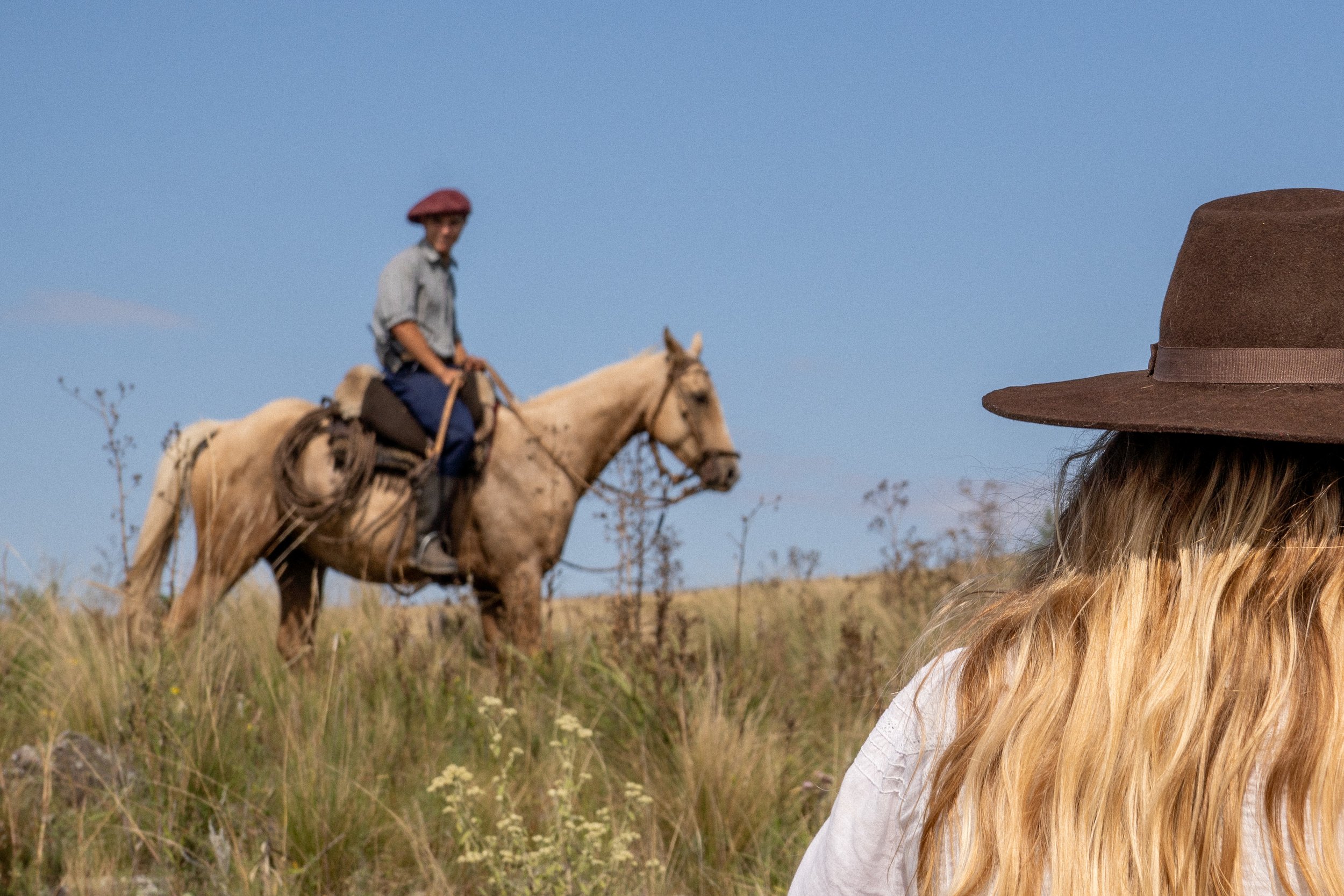
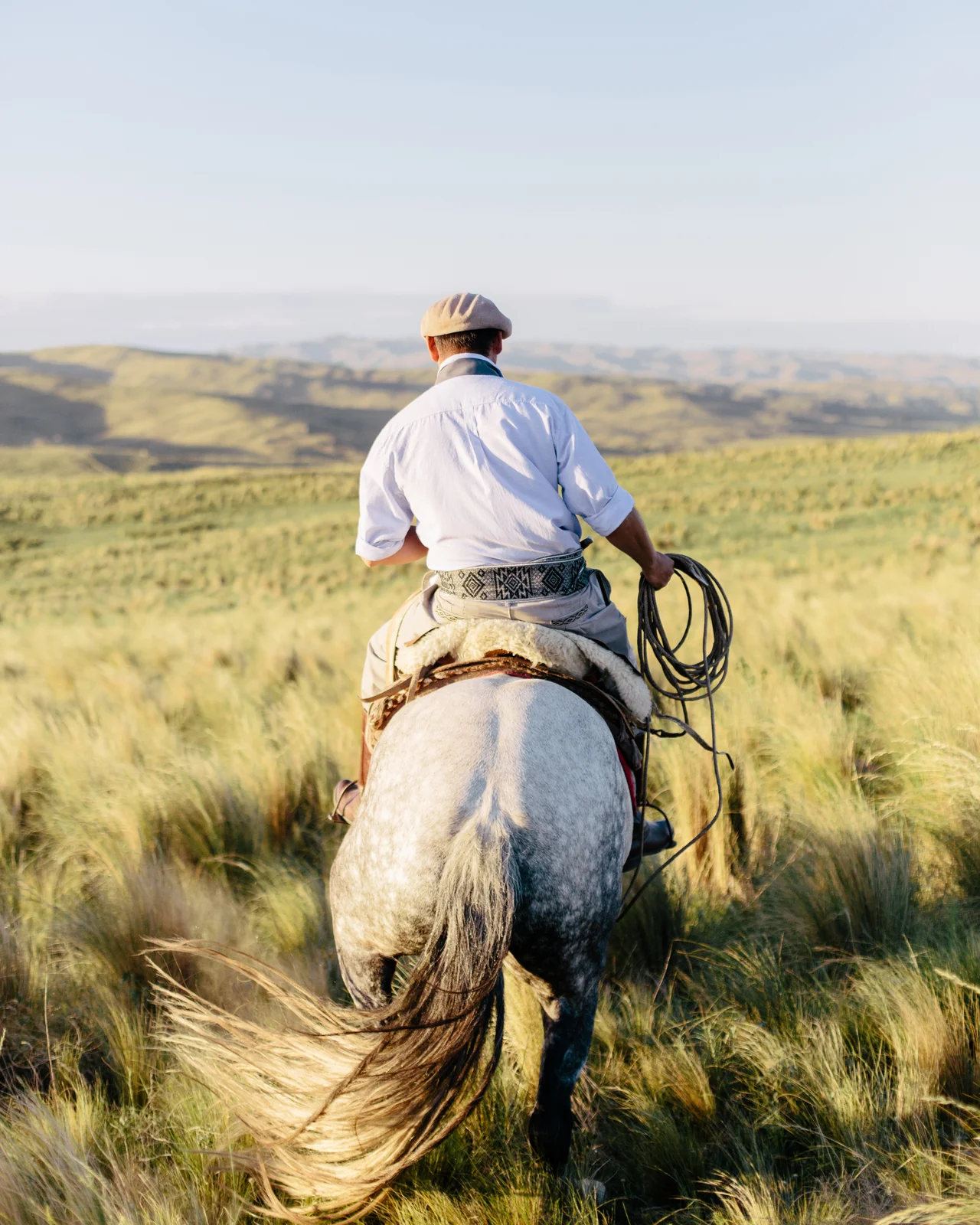
A gaucho, working on a palomino horse in the fields, in Cordoba, Argentina

• Manage a mid-sized cattle operation using a combination of horses and quad bikes, choosing the right tool for the terrain and the task.

• Maintain a presence on social media to market estancia tourism experiences, artisanal goods, or leather craft.

• Work seasonally on large agricultural operations in the province's eastern grain belt, then return to family land in the sierras for traditional festivals.

• Study agronomy or veterinary science at the Universidad Nacional de Córdoba while returning home on weekends to help with the cattle.

This is not a dilution of gaucho identity - it's an evolution of it. The core values remain constant: self-sufficiency, deep knowledge of land and animal, generosity to guests, and a certain stoic pride that doesn't require an audience. What has changed is the context in which those values operate.

Córdoba's provincial government has also taken active steps to preserve gaucho heritage through the Instituto Nacional de Tecnología Agropecuaria (INTA) programs that support small-scale estancia farming, and through the formal recognition of traditional crafts - saddlery, silverwork, weaving - as cultural heritage practices.

Conclusion: Why the Gaucho Still Matters

The gauchos of Argentina are not a relic. In Córdoba, they are farmers, festival judges, horse trainers, craftspeople, and cultural custodians - people navigating the same pressures of modernity as anyone else, while holding onto a way of life that gives their landscape its meaning.

Understanding Argentine gaucho culture, particularly in Córdoba's distinctive sierra and pampa context, gives you a clearer view of Argentina itself: a country that is always negotiating between its past and its future, between European influence and Indigenous roots, between the urban and the deeply, stubbornly rural.

The gaucho is not a costume. He is a living tradition. The best way to honour that is to show up with genuine curiosity, a willingness to sit by a fire, share a mate, and listen.
What Is a Gaucho? Argentina's Iconic Cowboy Culture

Argentina's Iconic Cowboy Culture

If you picture Argentina, chances are the image that comes to mind is tango, steak, and Messi. But there is an older, quieter symbol woven into the country's DNA - the gaucho. For centuries, these skilled horsemen of the South American plains have shaped Argentine identity in ways that still resonate today, from literature and politics to the food on your plate. Whether you are planning a trip to Buenos Aires or dreaming of wide-open estancias, understanding gauchos Argentina and gaucho culture will give your experience a depth that no guidebook map can provide.

The Origins of the Gaucho

Gaucho working in the corral

The word "gaucho" likely derives from the Quechua term huachu, meaning orphan or vagabond - a fitting label for the nomadic men who first appeared on the Argentine and Uruguayan pampas during the 17th and 18th centuries.

Gauchos were born from cultural collision. Spanish colonizers brought cattle and horses to the Río de la Plata region in the 1500s, and many animals escaped into the wild, multiplying across the vast grasslands. The people who eventually went out to hunt and herd them were a mix of mestizos (of Spanish and Indigenous descent), freed African slaves, and criollos (American-born colonials of European ancestry). Living at the frontier of colonial society, they belonged fully to none of it.

From Outlaws to National Heroes

Early Spanish colonial authorities viewed gauchos with deep suspicion. They were seen as lawless drifters - skilled with a blade, loyal to no landowner, and impossible to tax. Vagrancy laws in the late 18th century tried to force them into the formal labor economy, often with violent results.

The tide turned during the Argentine War of Independence (1810–1818). Gaucho militias, fighting under leaders like Martín Miguel de Güemes, proved to be some of the most effective guerrilla fighters against the Spanish royalist forces. Their intimate knowledge of the land, their horsemanship, and their fierce independence made them military assets overnight. The same qualities that had made them suspect now made them heroes - and that paradox sits at the heart of gaucho history to this day.

Life on the Pampas

To understand gaucho culture, you need to understand the pampas: a seemingly endless expanse of flat, fertile grassland that stretches across central Argentina, Uruguay, and parts of southern Brazil - roughly 750,000 square kilometers of open sky and wind-bent grass.

This landscape shaped every aspect of the gaucho lifestyle. There were no natural landmarks to navigate by, few trees for shelter, and predators - both animal and human - lurking at the edges. The gaucho's response was to become extraordinarily self-sufficient. He lived on horseback, slept under the stars, and ate almost exclusively beef, often roasted directly on an open fire in a method still celebrated today as the asado.

The Horse as Partner

A gaucho without a horse was not a gaucho at all. The relationship between rider and animal was one of complete mutual reliance. Gauchos were known to speak softly to their horses, spend hours on grooming, and choose a mount the way another man might choose a lifelong companion. The style of riding they developed - balanced, relaxed, and deeply communicative - influenced horsemanship traditions across South America.

Cattle work was equally central to pampa culture. Before the great estancias (large ranches) fenced in the land during the 19th century, gauchos moved freely, hunting wild cattle for their hides and tallow, which were the primary exports of the colonial economy. Later, as ranching became formalized, many gauchos became the skilled hired labor that made those estates function.

Gaucho Yoni working in the Corral

Gaucho Clothing: Function Meets Identity

Few things are more immediately recognizable than the gaucho's distinctive dress. Every piece of traditional gaucho clothing developed from a practical need, then became a badge of identity that is still worn with pride at festivals and rural gatherings.

The Key Garments

• Bombachas - Loose, pleated trousers that taper at the ankle and tuck into boots. They allow freedom of movement on horseback while protecting the legs from saddle wear. Today you will find them in every rural goods store across Argentina.

• Poncho - The multi-purpose outer layer. It serves as a cloak against rain and wind, a blanket at night, and - in a pinch - a shield in a knife fight. Regional ponchos vary dramatically in color and weave, acting as a visible marker of where a gaucho came from.

• Rastra - A wide leather belt decorated with silver coins, medallions, and ornamental clasps. A gaucho's rastra was often his most valuable possession and a direct display of his wealth and status.

• Botas de potro - Traditional boots made from the skin of a horse's leg, shaped and dried around the foot. These have largely been replaced by leather boots, but the style is preserved in festivals.

• Sombrero - A flat-brimmed felt hat, typically black or brown. In some regions, especially Entre Ríos, a broader-brimmed straw hat is common.

The overall effect is one of quiet elegance - earthy tones, fine leather, silver accents. Gaucho clothing was never showy for its own sake; its beauty came from craftsmanship and utility.

Tools of the Trade

A gaucho carried his livelihood on his belt and saddle. These tools were not decorative - they were survival equipment refined over generations.

The Facón

The facón is a long, single-edged knife, usually with a blade between 25 and 45 centimeters, carried at the back of the belt. It was used for everything: butchering cattle, cutting rope, preparing food, whittling wood, and, when necessary, self-defense. Skilled bladesmanship was a point of masculine pride, and knife duels - rarely to the death, more often until one man bled - were a common way to settle disputes.

The Boleadoras

Perhaps the most uniquely South American weapon in the gaucho's arsenal, boleadoras consist of two or three stone or metal balls wrapped in leather and connected by cords. Swung overhead and released, they wrap around the legs of a running animal, bringing it down without injury. Gauchos inherited this tool directly from the Indigenous peoples of the pampas, particularly the Tehuelche and Mapuche, who had used it for hunting guanaco and rhea for centuries.

The Lazo

A long leather lasso used for roping cattle. Unlike the hemp lassos of North American cowboys, the gaucho's lazo was typically made from braided rawhide - supple, strong, and precisely weighted for throwing at speed from horseback.

Gaucho Traditions and Social Customs

Gaucho traditions were not just working practices - they formed a complete social code that governed how men related to one another, to women, to strangers, and to the land.

The Payada

Music was essential to gaucho identity. The payador was a travelling singer-poet who accompanied himself on a guitar and improvised verses - often in competition with another payador in a verbal duel called a payada de contrapunto. Themes ranged from love and loss to philosophy, current events, and sharp political commentary. The payada tradition is recognized by UNESCO as part of Argentina's intangible cultural heritage, and it survives in festivals and competitions across the country.

Mate: The Shared Cup

No custom is more central to gaucho traditions - or Argentine life generally - than the ritual sharing of mate. This bitter, caffeinated herbal drink, prepared in a gourd and sipped through a metal straw called a bombilla, is offered as a gesture of friendship and belonging. Refusing it is considered rude. Among gauchos, passing the mate around the fire at dawn or dusk was (and remains) a moment of quiet solidarity.

The Gaucho in Argentine Identity and Art

By the mid-19th century, the gaucho's way of life was already in decline. Barbed-wire fencing transformed the open pampas into enclosed estancias. The railroad connected remote regions to Buenos Aires, bringing wage labor and market forces that made the nomadic lifestyle impossible. The gaucho who had once roamed freely now worked for a landowning patrón or drifted to the cities.

Yet at precisely the moment the gaucho was disappearing, Argentine writers and intellectuals began to mythologize him. The most important work in this tradition is José Hernández's epic poem Martín Fierro (1872), which follows a gaucho displaced by military conscription and forced labor — a scathing critique of government policy disguised as a folk ballad. The poem became the unofficial bible of Argentine nationalism. Martín Fierro is to Argentina roughly what Don Quixote is to Spain: a flawed, noble figure whose story defines how a culture sees itself.

The gaucho also became a potent political symbol. From the Peronist movement of the 1940s onward, politicians across the spectrum invoked the gaucho as proof of Argentine authenticity, independence, and working-class dignity. His image appears on coins, stamps, provincial flags, and the logos of countless Argentine businesses.

The Gauchos of Argentina have given the country its most enduring national myth - the free, self-reliant man of the open plain who lives by his skill, his horse, and his word. Gaucho culture is not nostalgia; it is a thread that runs from the colonial frontier straight through to the asado in your neighbor's backyard and the mate cup passed around at dawn. Understanding that thread changes the way you see Argentina entirely.

Life with the Gauchos at Estancia Los Potreros

Meet the Gauchos of Estancia Los Potrero

Meet the Gauchos of Estancia Los Potrero

At Estancia Los Potreros, the spirit of Argentina’s countryside comes alive through the legendary gauchos - the skilled horsemen who have been an integral part of Argentine culture for centuries. Known for their deep connection to the land and their unparalleled expertise in horseback riding, the gauchos at our estancia embody the rich history and traditions of Argentina’s rural heritage.

A Day in the Life: Herding Cattle at Los Potreros

The world has been hugely affected by the ongoing pandemic of 2020 and it is something I am sure many of us will forget; from the shortage of toilet paper to the extensive period of social distancing, disruption has been widely felt and Argentina is no exception. Although life on a working cattle estancia continues one of our guides Sammie has decided to share with us an insight into quarantine at Estancia Los Potreros.

Herding Cattle with Sammie and Pachi.JPG

"Que estamos separando? What are we separating?" "Las lindas de las feas. The beautiful from the ugly."

A year ago, if you'd told me I'd spend my morning on foot in a corral, sorting cows into "good looking" and "ugly," I'd have laughed you off. But that's exactly where I found myself as a guide at Estancia Los Potreros.

Starting Before Sunrise

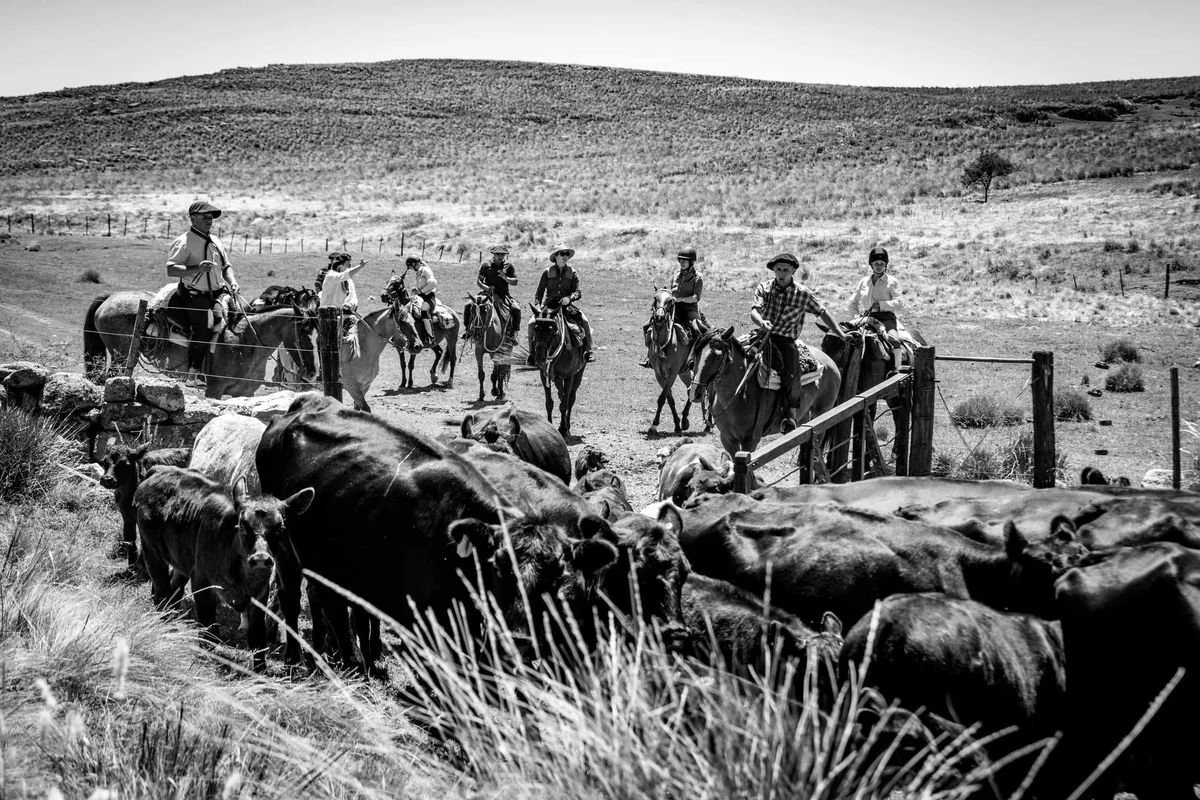
Life on a working cattle ranch doesn't pause for much, and this week it was time to pregnancy test our Aberdeen Angus herd. Six of us saddled up while the sky was still glowing tangerine and rode out into the campo to find the cattle and bring them down to the cattle station.

Riding alongside my compañero Pachi, we headed across the sierras - hills that felt every bit as steep as Ben Nevis. "Go over that hill, and push any cows you find over the next one," he instructed, unhelpfully. Wanting to prove myself, I cantered up and over, and found cattle scattered across rock and crag. My horse, Muchacho, was far more sure-footed than I was and picked his way through the terrain without hesitation.

Learning the Gaucho Way

Months in, I still can't whistle like the gauchos do, but I've picked up their calls and a fair bit of Spanish vocabulary that certainly wasn't part of my schooling. Pachi and I eventually reconvened, and three lines of cattle converging from different directions became one herd, pushed together toward the station.

A Day's Work on the Estancia

Once the cows were gathered, everyone took a station. Georgie worked her horse in the corral, pushing small groups through; Pachi guided them into the chute; I shut the gate behind each one; our headman Dani held the head steady; the vet checked how far along each cow was with her calf. We only paused for an asado lunch before starting again.

Work continued after the vet left, this time separating male and female calves on foot - closer to a game of dodgeball with live cows than anything else, especially once I realised the gauchos had rebenques and we didn't. By the end, we'd picked out the 70 best female calves, the future mothers of the herd, chosen for their build, their longer legs suited to the rocky ground, and a "nice face" I still can't quite define.

Riding Home

We rode back as the sun dropped, exhausted, filthy, and thoroughly content. Days like this are what estancia life is really about - hard work, a bit of chaos, and a growing sense of belonging to this place and its rhythms. I'm still not sure if I'll leave here more fluent in Spanish or in cow, but either way, I wouldn't trade the lesson.

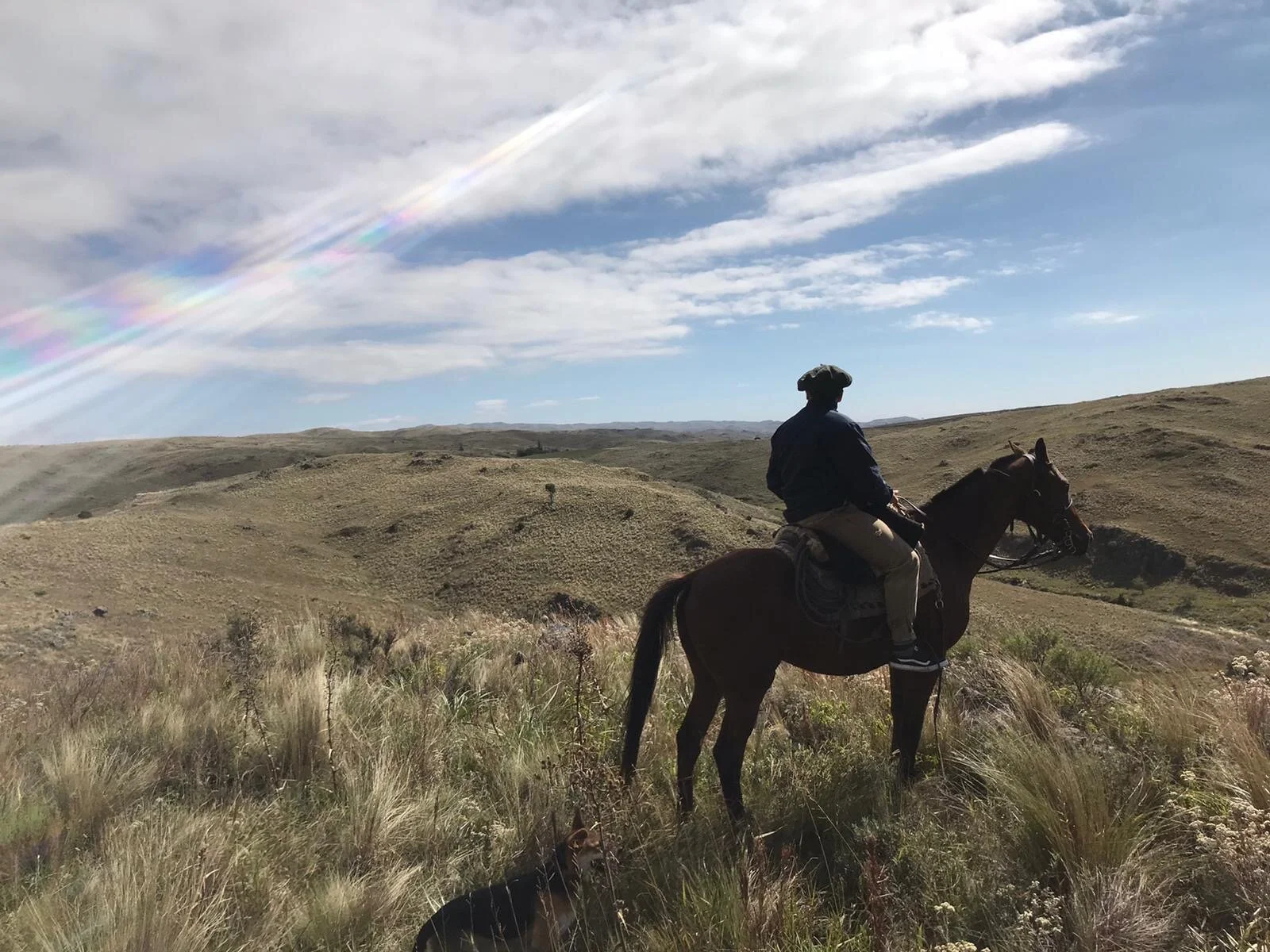
A gaucho looking at over the sierras chicas.

Tradition, Community & Cattle: Our Annual Estancia Sale

Tradition, Community & Cattle: Our Annual Estancia Sale

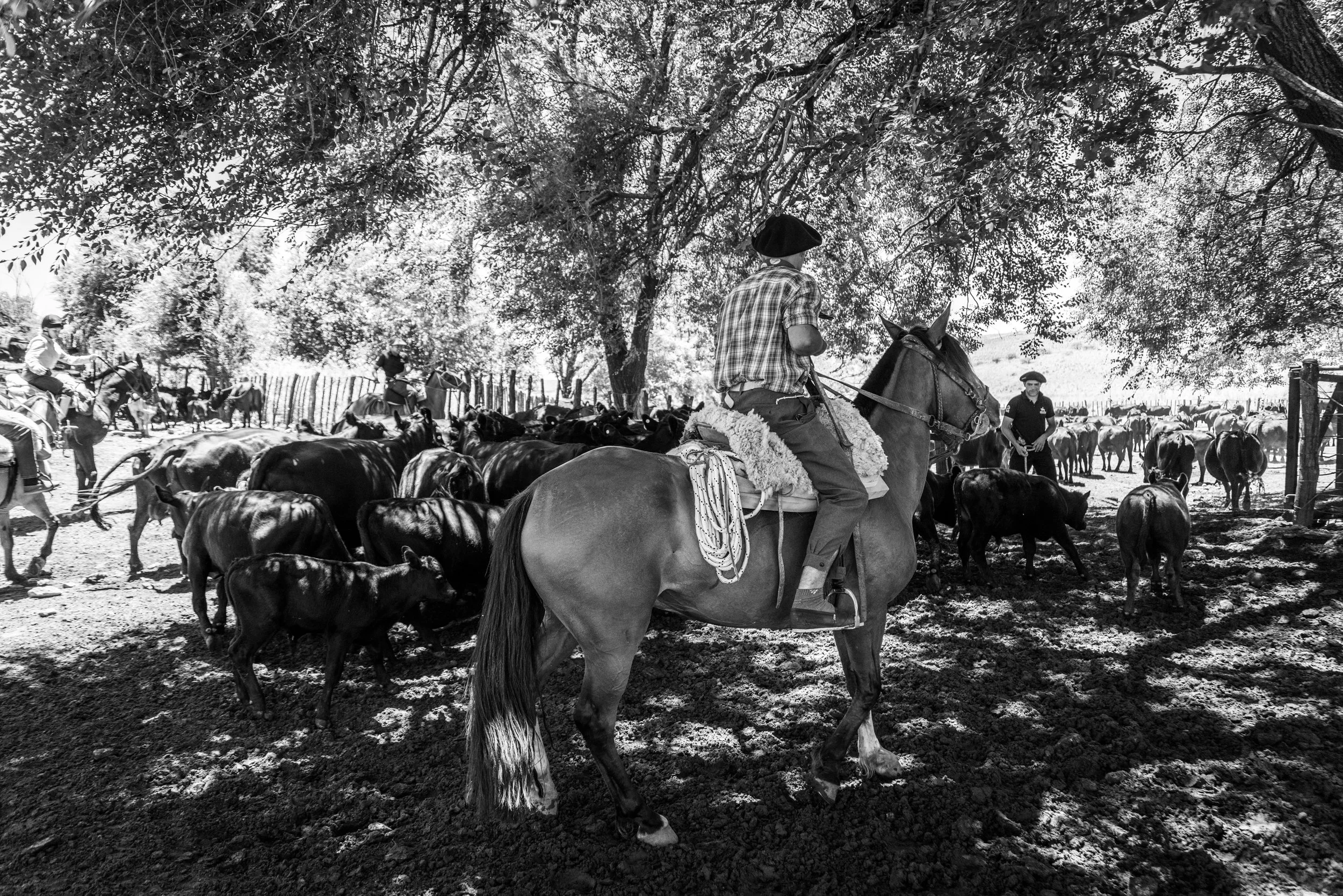
The annual cattle sales are one of the major events of the estancia year. Preparation starts a few months before when the animals are selected for sale, and a few days before the auction they are tagged and then transported to the auction yards, about an hour away from the estancia. It is always exciting to visit the auction and see the auctioneer in action.

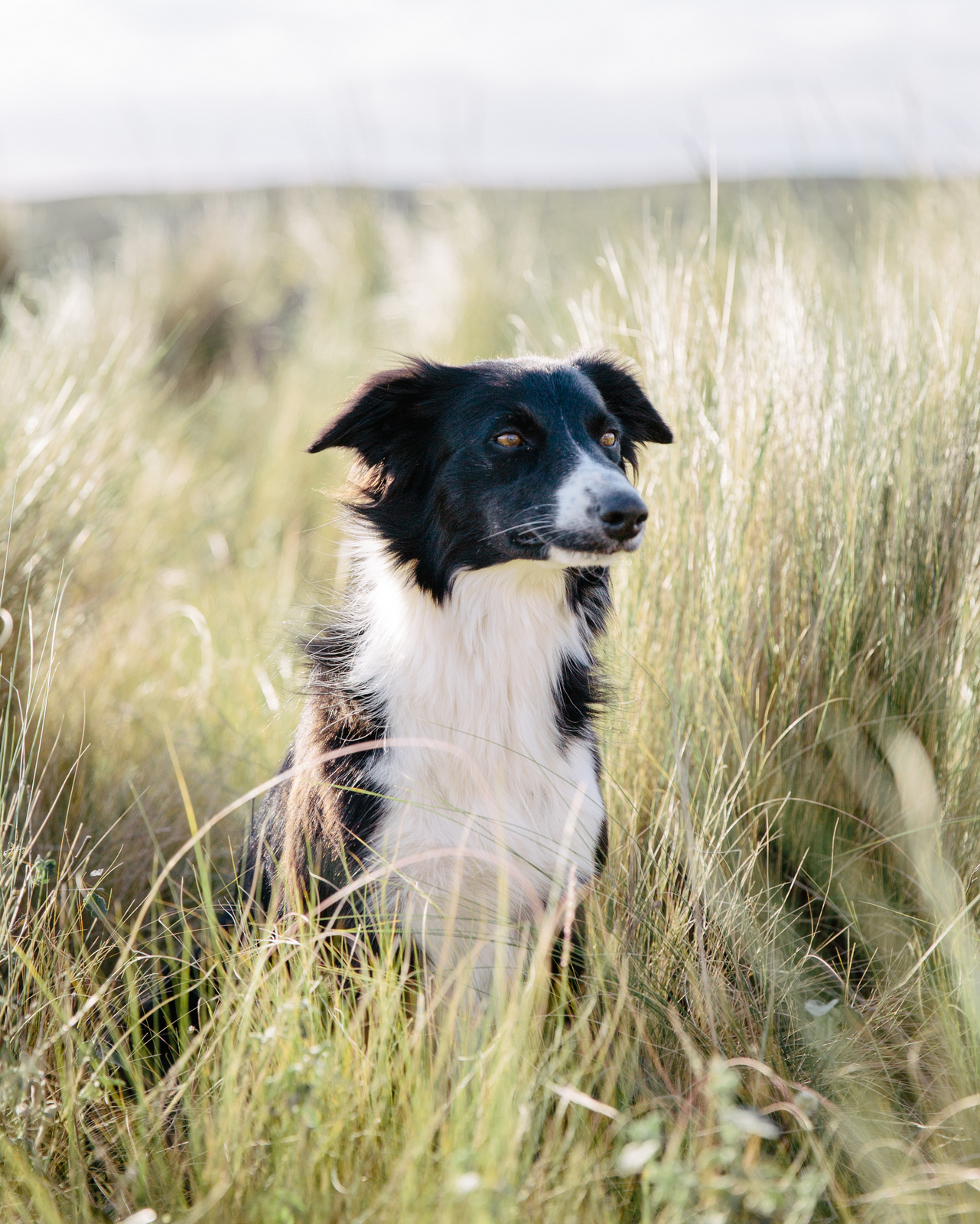
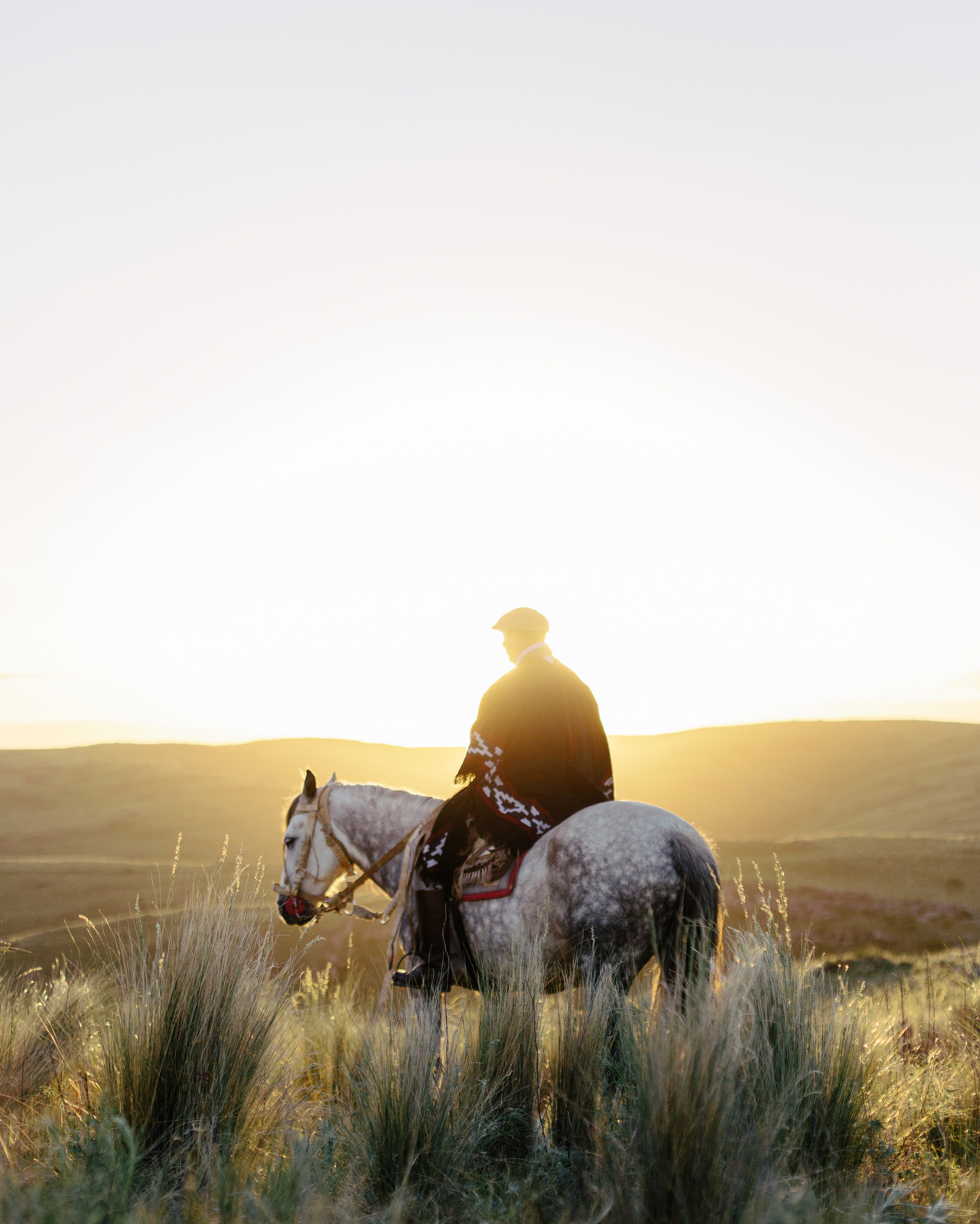
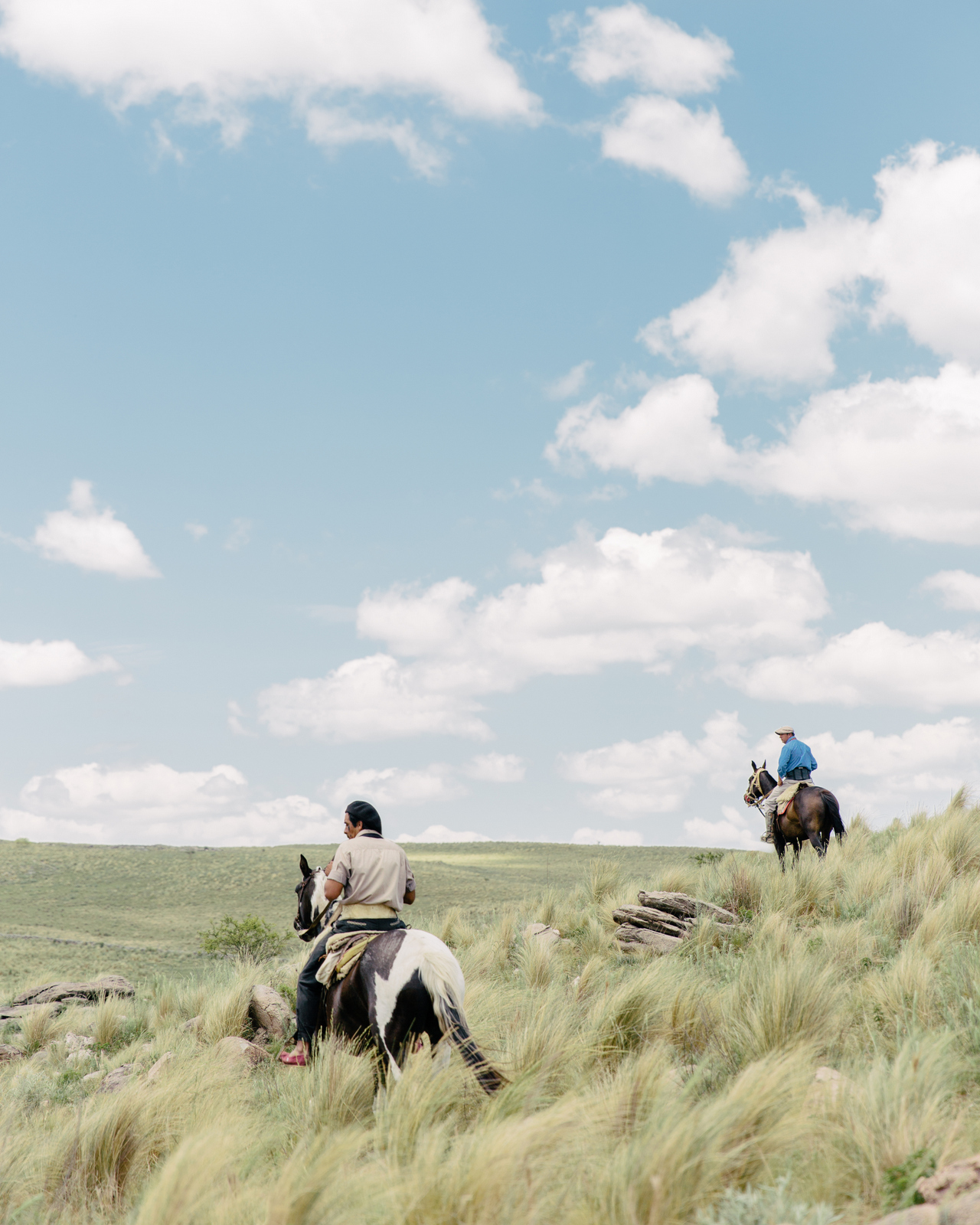
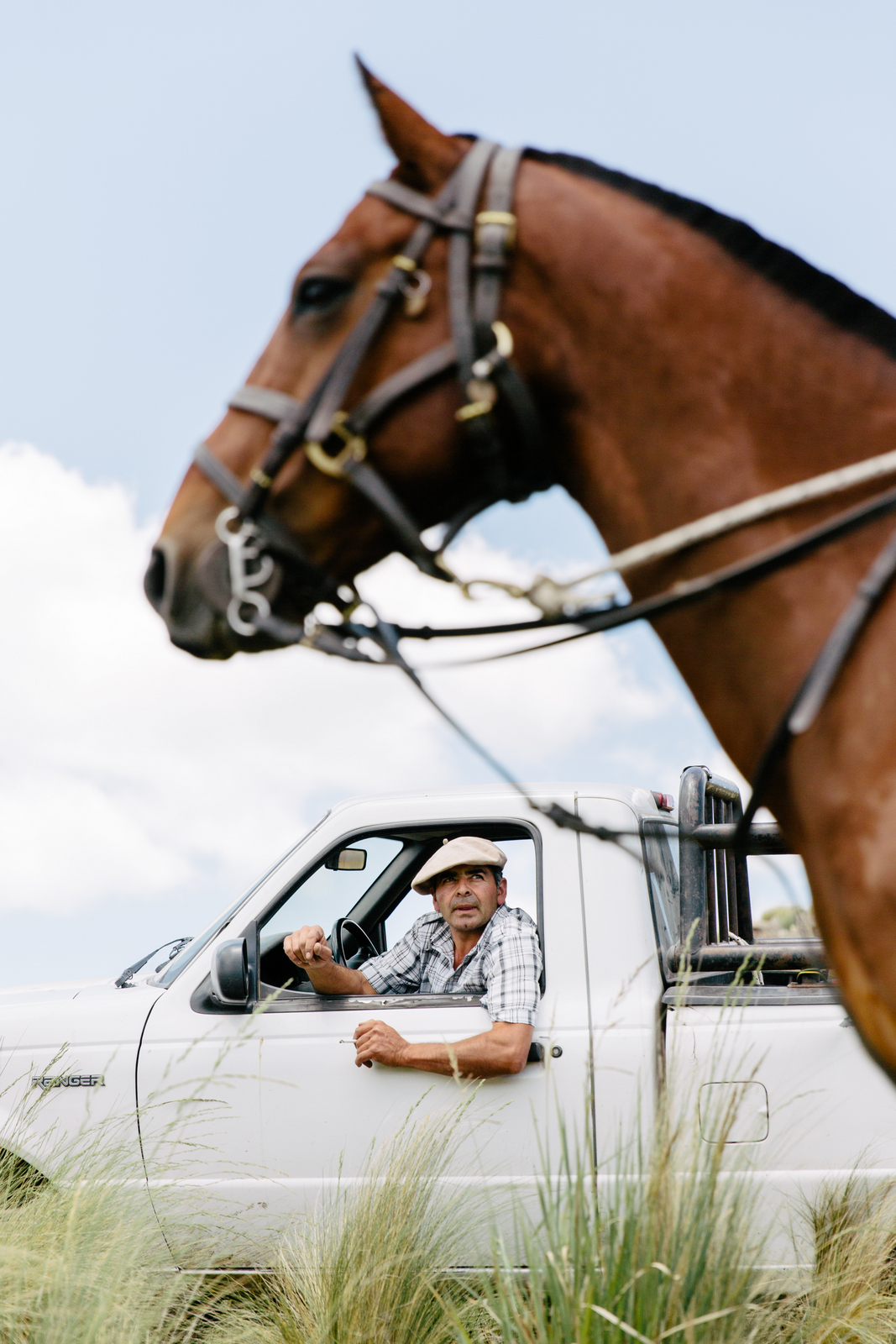
Through the Lens: Kevin Faingnaert at Estancia Los Potreros

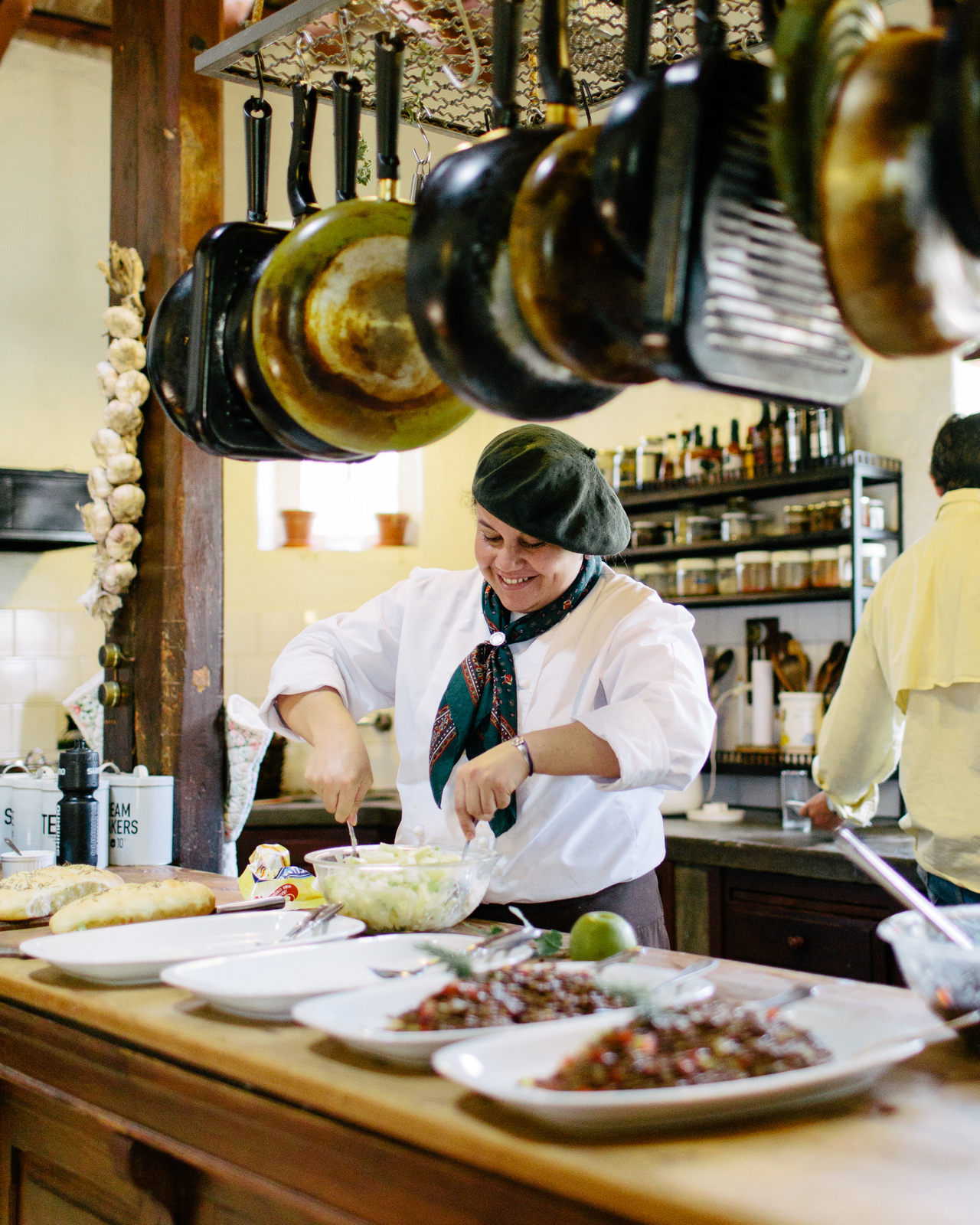
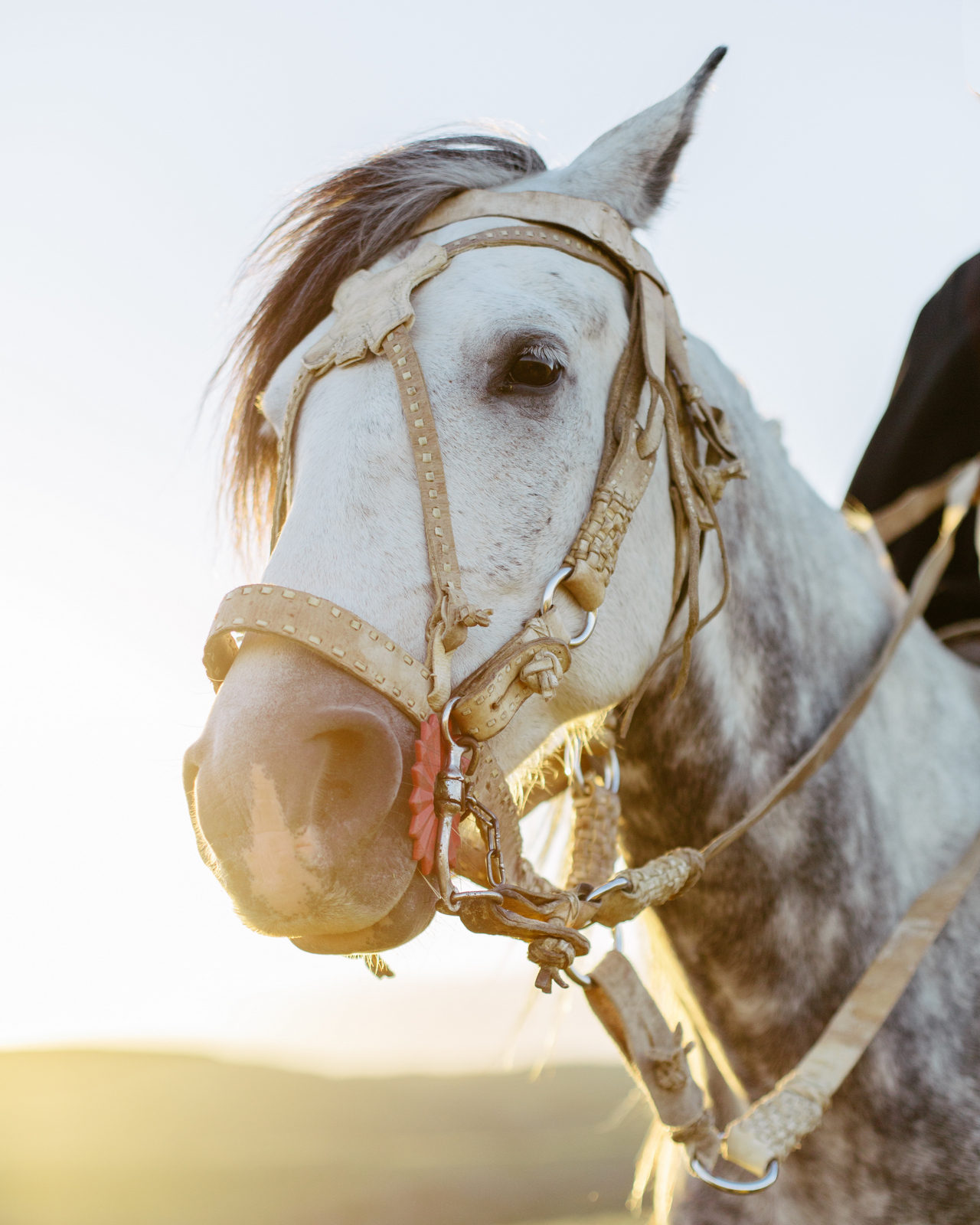
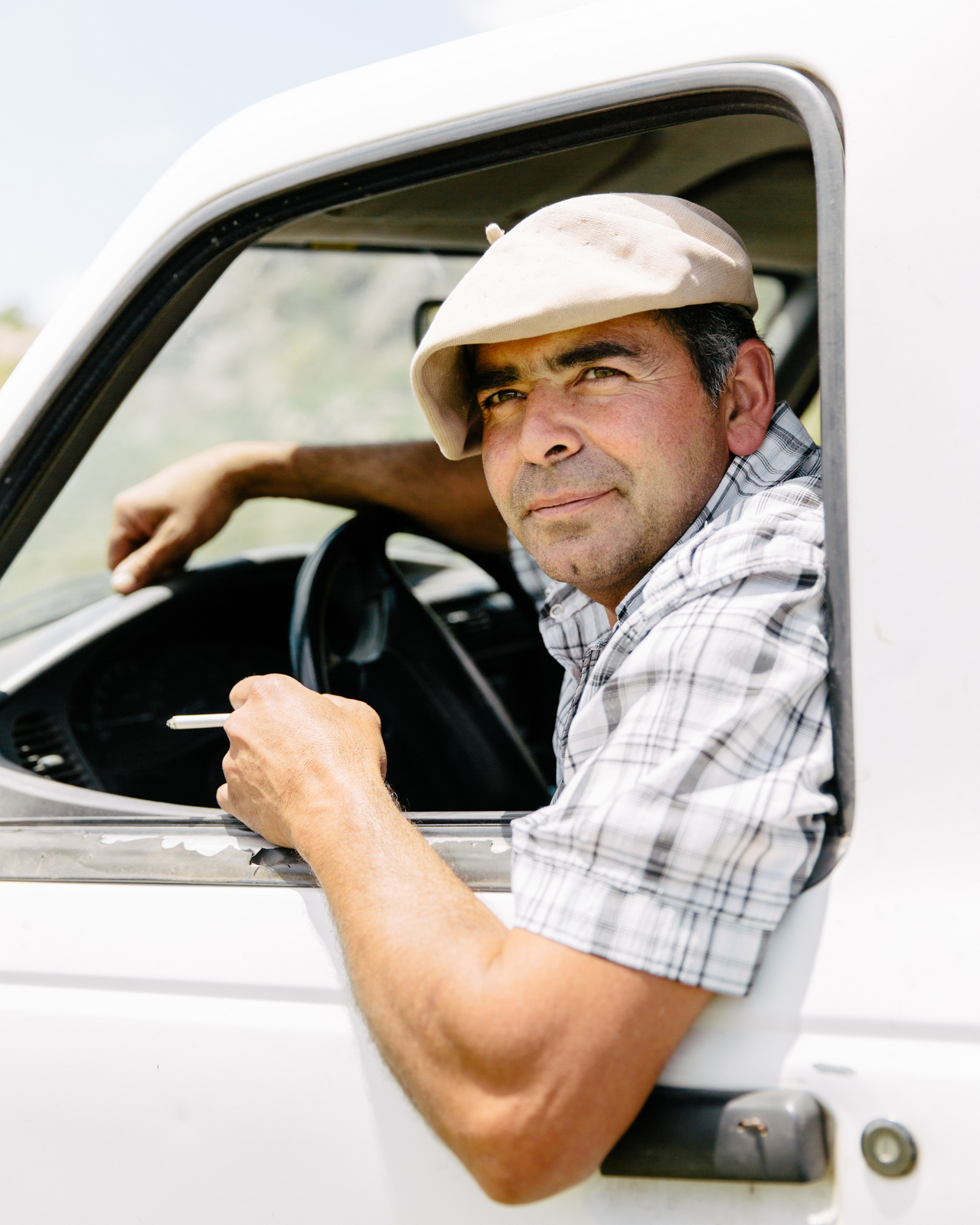
A few weeks ago, we had the pleasure of welcoming renowned Belgian documentary photographer Kevin Faingnaert to Estancia Los Potreros. As part of a three-month journey through Argentina, Peru and Bolivia, Kevin contacted us to ask if he could spend a few days on the estancia, immersing himself in life on the farm and photographing the landscapes, horses and people that make this place so special.

Based in Ghent, Belgium, Kevin is an internationally recognised documentary photographer whose work has been featured by publications including National Geographic, The New York Times and The Atlantic. Before becoming a full-time photographer, he studied sociology, and this background is evident throughout his work. Rather than simply documenting places, Kevin is interested in understanding the people who live there, the traditions they uphold and the communities that shape their identity.

His approach to photography is thoughtful and immersive. Instead of arriving, taking a few photographs and moving on, Kevin spends time getting to know the people and places he visits. By living alongside local communities and experiencing their daily routines, he is able to create images that feel genuine and deeply personal. His photographs are not only beautiful, but also tell stories of culture, heritage and the connections between people and their environment.

During his travels across South America, Kevin deliberately chose to focus on everyday life rather than the continent's most famous landmarks. His project, which he describes as "A Love Letter to Peru, Bolivia and Argentina," captures quiet moments that might otherwise go unnoticed: the changing light across vast landscapes, conversations shared over a cup of maté, the rhythm of daily work and the traditions that continue to define rural communities.

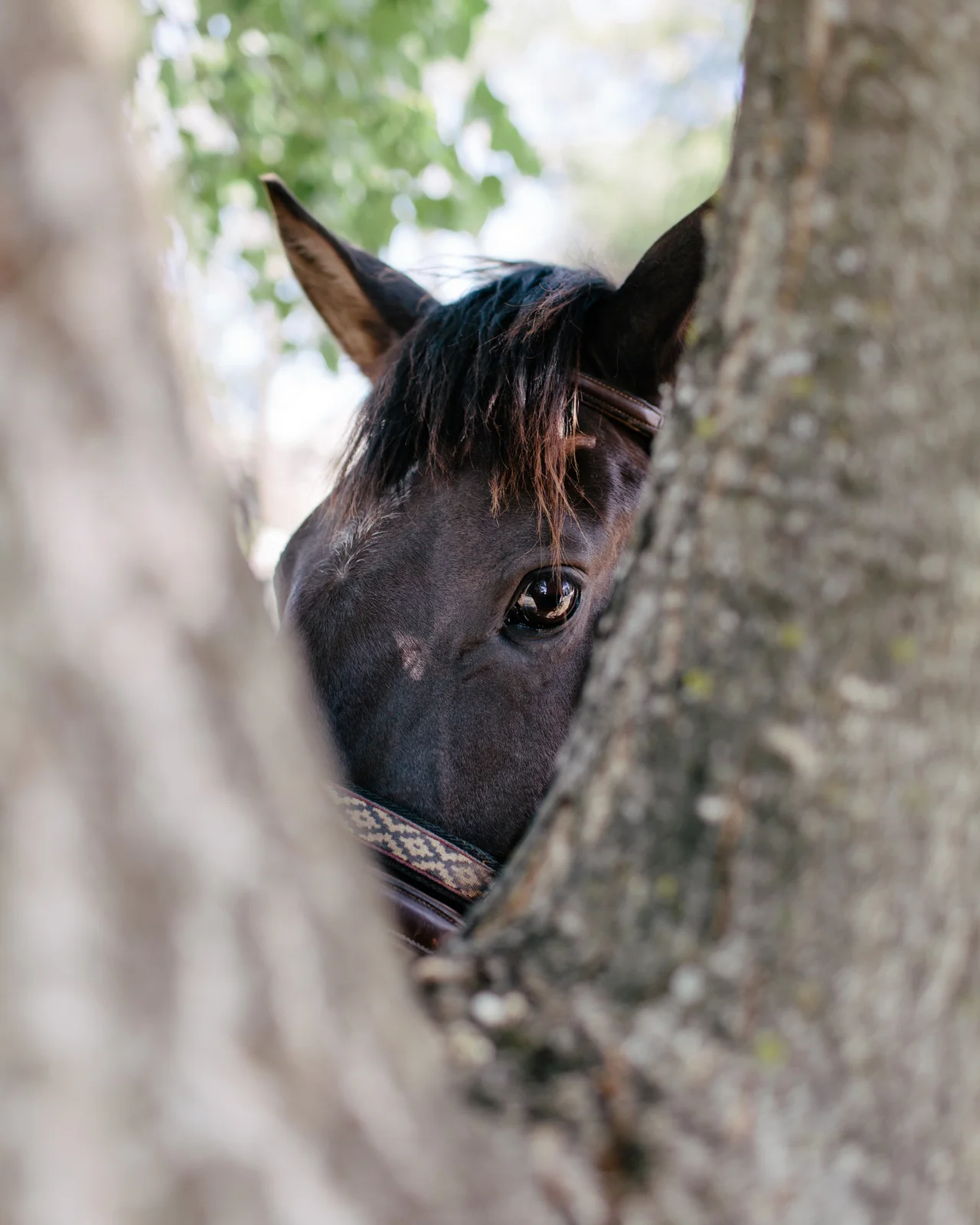
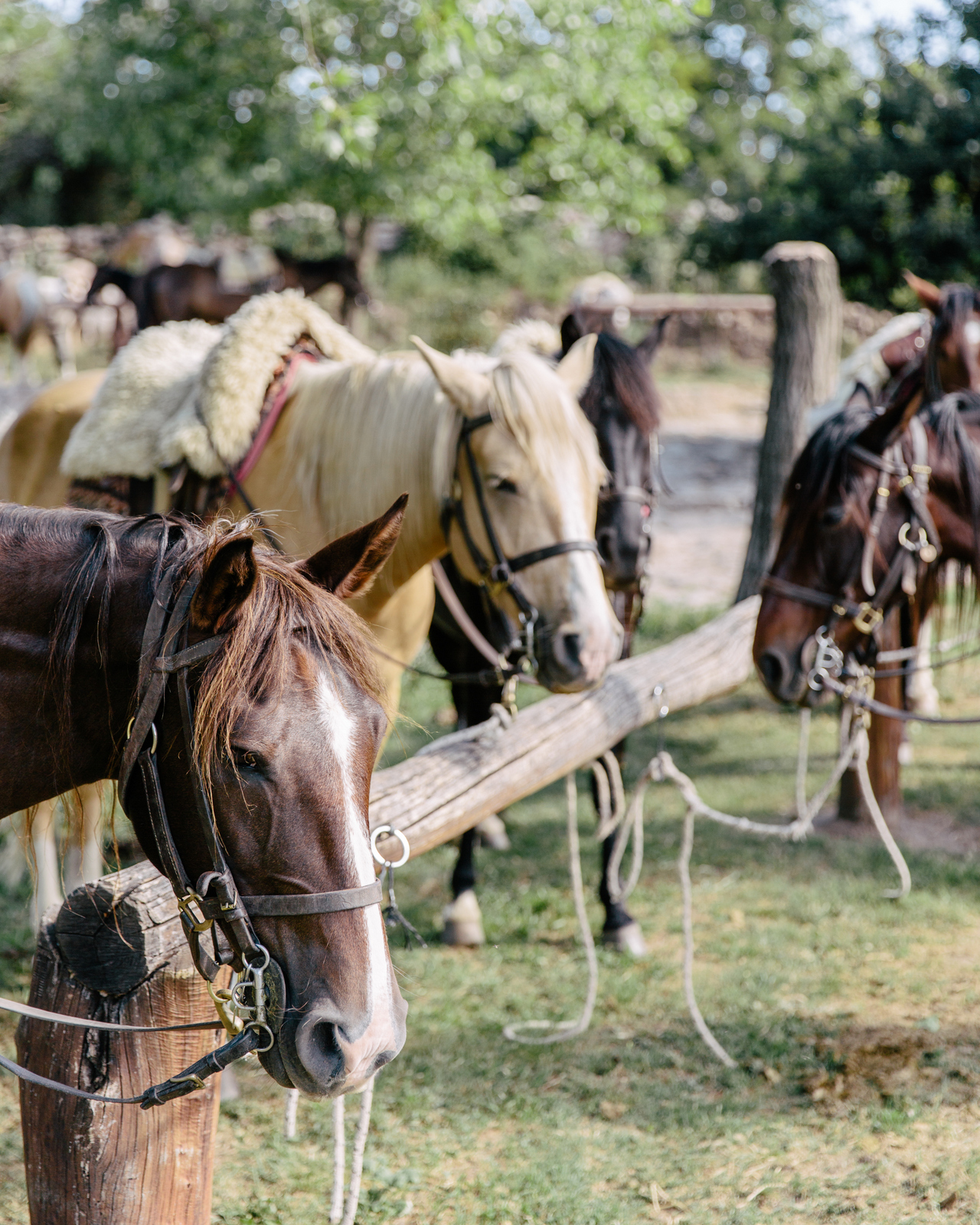
His time at Estancia Los Potreros perfectly reflected this approach. Rather than directing scenes or searching for dramatic moments, Kevin observed life as it unfolded naturally. From gauchos working with horses and cattle to peaceful mornings in the Sierras Chicas, his photographs capture the authenticity of life on an Argentine estancia. The soft natural light, muted colours and carefully composed images create a sense of calm that beautifully reflects the pace of life here.

We are delighted to share a small selection of Kevin's photographs from his stay with us. They offer a unique perspective on the estancia and remind us that some of the most meaningful stories can be found in everyday moments.

If you enjoy documentary photography or simply appreciate authentic travel stories, we highly recommend exploring more of Kevin's remarkable work.