
Culture, History & Way of Life in Córdoba
The gauchos of Argentina rank among the most iconic figures in all of South American history - yet most outsiders only see the surface: a wide-brimmed hat, a horse at full gallop, a fire with a side of beef. In Córdoba province, the picture is richer and more nuanced. Córdoba's gauchos have shaped the land, the language, and the collective identity of Argentina's geographic heart for more than three centuries. Whether you're a history enthusiast, a culture-focused traveler, or simply curious about the soul behind the stereotype, this guide covers it all.
Who Are the Gauchos of Argentina?
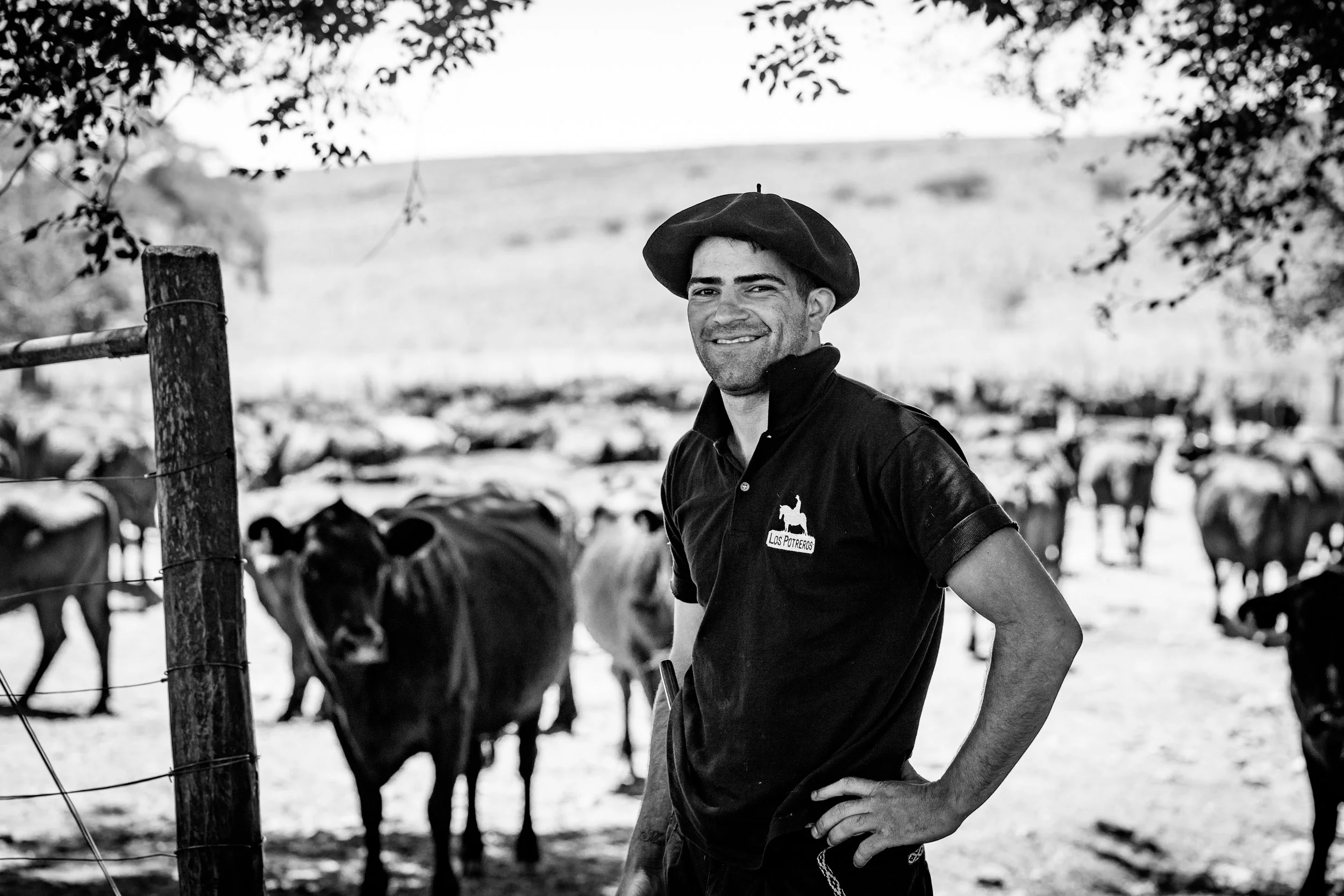
The word gaucho likely derives from the Quechua term wáchu, meaning "orphan" or "wanderer," and for much of their early history, that label fit. Gauchos were skilled horsemen and cattle herders who roamed the vast grasslands of the Southern Cone - principally the Pampas, the Patagonian steppe, and the foothills of the Andes sierras.
They were not a single ethnic group. Argentine gaucho culture emerged from a blend of Indigenous peoples (primarily Querandí, Comechingón, and Ranquel), Spanish settlers, and later African descendants brought during the colonial era. This mestizo identity is both their origin story and the source of their enduring complexity.
In Córdoba specifically, the gaucho was shaped by a slightly different geography. Rather than the flat, endless Pampa Húmeda of Buenos Aires province, Córdoba's gauchos learned their trade across a more varied terrain: the Sierras Chicas and Sierras Grandes mountain ranges, the flat eastern plains (the pampa cordobesa), and the dry brush of the north. The result is a regional gaucho tradition that is distinctly serrano - mountain-tested, tough, and fiercely proud.
Origins and History: From the Pampas to Córdoba
Colonial Roots
Spanish colonizers arrived in what is now Córdoba in 1573, founding the city of Córdoba de la Nueva Andalucía under Governor Jerónimo Luis de Cabrera. With them came cattle and horses - animals that would, within a generation or two, escape into the wild and multiply into enormous feral herds across the Pampas.
Indigenous peoples and the mixed-race children of settlers quickly became expert riders, mastering the horse in ways that even the Spanish themselves had not anticipated. By the late 1600s, a recognizable gaucho culture had taken shape in Córdoba's rural outskirts and in the estancias (ranches) that stretched toward what is today the province's eastern agricultural heartland.
The 18th and 19th Centuries: Peak Gaucho Era
The gaucho reached the height of his influence between roughly 1750 and 1880. In Córdoba, this period coincided with a booming hide and cattle-trade economy. Gauchos were the indispensable labor force: they rounded up semi-wild cattle (cimarrones), drove herds hundreds of kilometers to market, and defended estancias from raids.
Politically, the gauchos of Argentina played a decisive role during the Wars of Independence (1810–1818). In Córdoba, gaucho militias fought under General Manuel Belgrano in the Army of the North, helping to push Spanish royalist forces out of the region. The gaucho was no longer just an economic figure - he was a patriot.
The late 19th century, however, brought the alambrado (barbed-wire fence), the land reform laws, and the expansion of European immigrant agriculture. The free-roaming gaucho was slowly hemmed in, transformed from a nomadic outsider into a settled ranch hand (peón de campo). Many historians mark this as the moment the gaucho became a symbol - precisely because the independent way of life was disappearing.
The Gauchesque Literature Movement
In Argentina, the gaucho's cultural codification happened most powerfully through literature. The epic poem Martín Fierro (1872) by José Hernández painted the gaucho as a noble, persecuted everyman - a figure of resistance against an unjust state. Though Hernández was writing from Buenos Aires, the poem resonated deeply in Córdoba, where rural communities recognised their own experience in Fierro's struggle. Today Martín Fierro is considered Argentina's national literary monument, and gauchos from Córdoba's sierra villages can often quote it from memory.
Gaucho Culture in Córdoba Province
Córdoba is Argentina's second most populous province, yet step even forty kilometers outside the city and the gaucho world reasserts itself completely. The cultural footprint is visible in everyday life:
• Rural festivals (fiestas patronales) still revolve around horsemanship competitions.
• Local radio stations in the Traslasierra valley broadcast folklore music - the rhythms of the chacarera, zamba, and cuarteto that grew from gaucho campfire tradition.
• The term paisano (countryman) is used as a term of deep respect, not condescension.
• Family estancias in the Punilla and Calamuchita valleys have operated under the same surnames for five or six generations.
In the sierras west of Córdoba city - particularly around Villa General Belgrano, Mina Clavero, and La Cumbre - you'll find communities where gaucho identity is not a performance for tourists but an active, lived reality. Cattle are still worked on horseback. Lambs are still roasted over an open fire called a asador. And the recado (the layered saddle) is still assembled by hand.
Food, Mate, and the Gaucho Table
Argentine gaucho culture and food are inseparable, and in Córdoba, the tradition runs deep.
The Asado
The asado (barbecue) is the centerpiece of gaucho social life. In Córdoba's countryside, this is not simply a meal — it is a ritual with clear protocol. The asador (grill master) tends the fire for hours, positioning cuts of beef, lamb, kid goat (chivito cordobés), and chorizo over coals — never directly over flame. A proper sierra asado includes:
1. Offal cuts first — chorizos, morcilla (blood sausage), and achuras (kidneys, sweetbreads).
2. Ribs and flank cuts next, cooked slowly on the iron cross (cruz de hierro).
3. A larger cut like asado de tira or a whole lamb to finish.
The chivito cordobés — kid goat roasted on an open spit — is considered Córdoba's signature gaucho dish and is notably distinct from the beef-heavy traditions of the Buenos Aires Pampas.
Mate Culture
Mate is more than a drink; it's the currency of social connection. On any Córdoba estancia, the day begins before sunrise with a round of mate shared among everyone on the property - the patron, the workers, guests. It's passed in silence or conversation, always in the same direction, always without thanks (saying "gracias" signals you've had enough). To share mate with a gaucho family in Córdoba's hills is to be, at least momentarily, welcomed as part of the household.
Locro and Other Staples
Beyond asado, the gaucho diet has always been hearty and practical:
• Locro: A thick stew of corn, white beans, squash, and pork, cooked for hours. It's the dish of choice for cold sierra nights and national holidays.
• Humitas: Corn paste wrapped in husks and steamed or boiled - a pre-Hispanic food that the gauchos of Córdoba's northwestern sierra absorbed from Quechua-speaking communities.
• Torta asada: A simple flat bread cooked directly on the coals, torn apart and eaten with whatever is at hand.
Horsemanship and Rodeo Traditions
The gaucho's relationship with the horse is not merely practical - it is philosophical. In Córdoba, where terrain shifts from flat pampa to rocky sierra within a short ride, horsemanship demands a versatility and sensitivity that distinguishes the regional gaucho from counterparts elsewhere.
The Doma: Argentina's Rodeo
The doma is the Argentine equivalent of a rodeo. Gauchos mount untrained horses (potros or bagualas) and attempt to ride them to stillness using skill and calm rather than force. In Córdoba province, the most celebrated doma events take place at:
• Jesús María National Folklore Festival: Held every January in Jesús María, just north of Córdoba city. This is one of Argentina's largest and most attended folklore events, drawing over 100,000 visitors across nine nights. It combines doma competitions with live performances of chacarera, zamba, and cuarteto.
• Villa María Gaucho Festival: A regional celebration in the agricultural southeast of the province.
• Local jineteadas: Small-town horse competitions held throughout the sierras from October through March.
La Jineteada vs. La Doma Racional
A debate has emerged in recent decades between traditional jineteada (bronco-style riding) and doma racional - a gentler, trust-based method of horse breaking championed by Córdoba-born trainer Roberto Ruiz Díaz and inspired by natural horsemanship principles. Many younger Córdoba gauchos have embraced doma racional as both more ethical and more effective, a shift that speaks to the community's willingness to evolve without abandoning the horse-centered core of their identity.
The Modern Gaucho: Tradition Meets Contemporary Ranch Life
The image of the lone horseman on an open plain is compelling, but the reality of gaucho life in 21st-century Córdoba is more complex and, frankly, more interesting.
Today's Córdoba gaucho might:
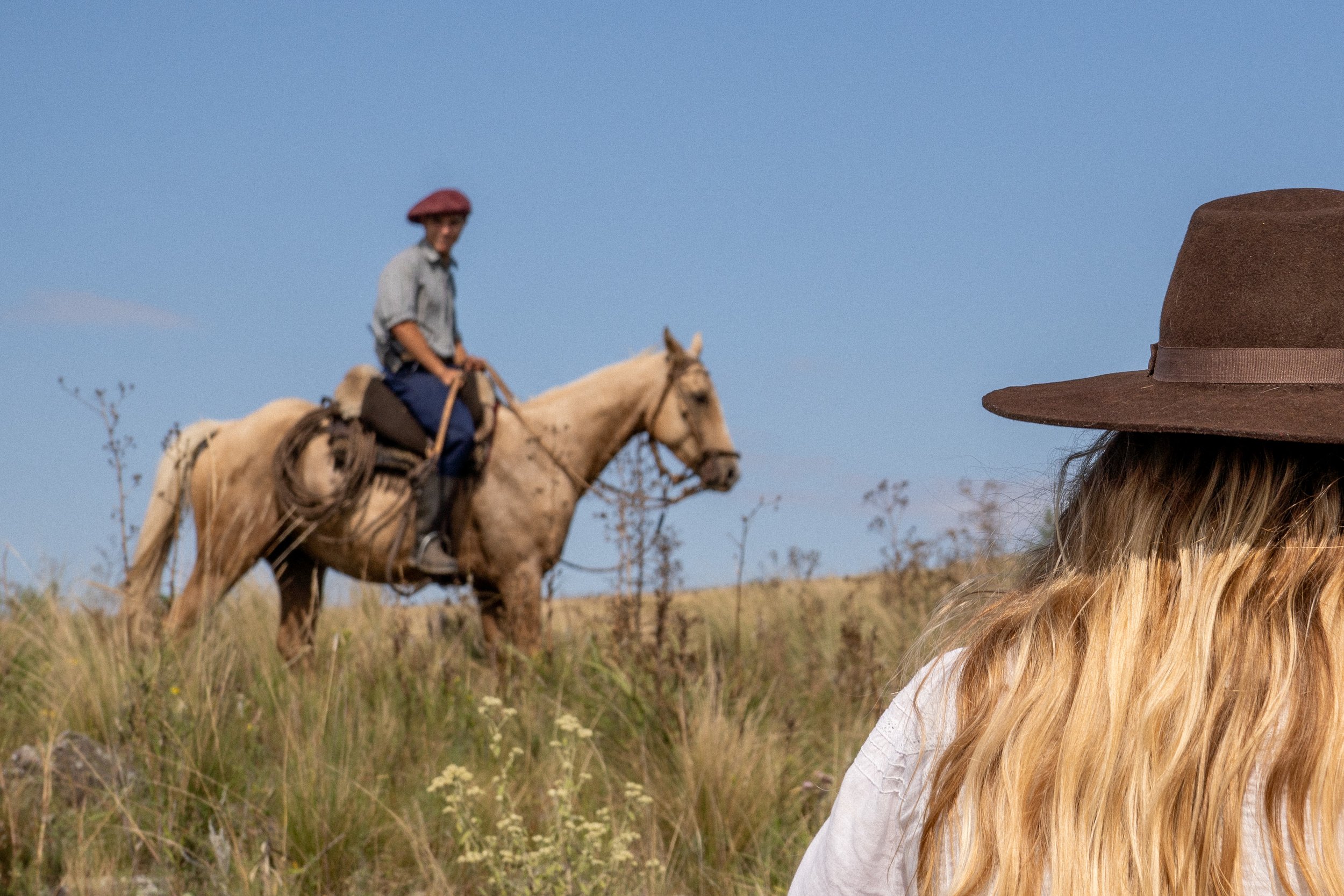
• Manage a mid-sized cattle operation using a combination of horses and quad bikes, choosing the right tool for the terrain and the task.
• Maintain a presence on social media to market estancia tourism experiences, artisanal goods, or leather craft.
• Work seasonally on large agricultural operations in the province's eastern grain belt, then return to family land in the sierras for traditional festivals.
• Study agronomy or veterinary science at the Universidad Nacional de Córdoba while returning home on weekends to help with the cattle.
This is not a dilution of gaucho identity - it's an evolution of it. The core values remain constant: self-sufficiency, deep knowledge of land and animal, generosity to guests, and a certain stoic pride that doesn't require an audience. What has changed is the context in which those values operate.
Córdoba's provincial government has also taken active steps to preserve gaucho heritage through the Instituto Nacional de Tecnología Agropecuaria (INTA) programs that support small-scale estancia farming, and through the formal recognition of traditional crafts - saddlery, silverwork, weaving - as cultural heritage practices.
Conclusion: Why the Gaucho Still Matters
The gauchos of Argentina are not a relic. In Córdoba, they are farmers, festival judges, horse trainers, craftspeople, and cultural custodians - people navigating the same pressures of modernity as anyone else, while holding onto a way of life that gives their landscape its meaning.
Understanding Argentine gaucho culture, particularly in Córdoba's distinctive sierra and pampa context, gives you a clearer view of Argentina itself: a country that is always negotiating between its past and its future, between European influence and Indigenous roots, between the urban and the deeply, stubbornly rural.
The gaucho is not a costume. He is a living tradition. The best way to honour that is to show up with genuine curiosity, a willingness to sit by a fire, share a mate, and listen.