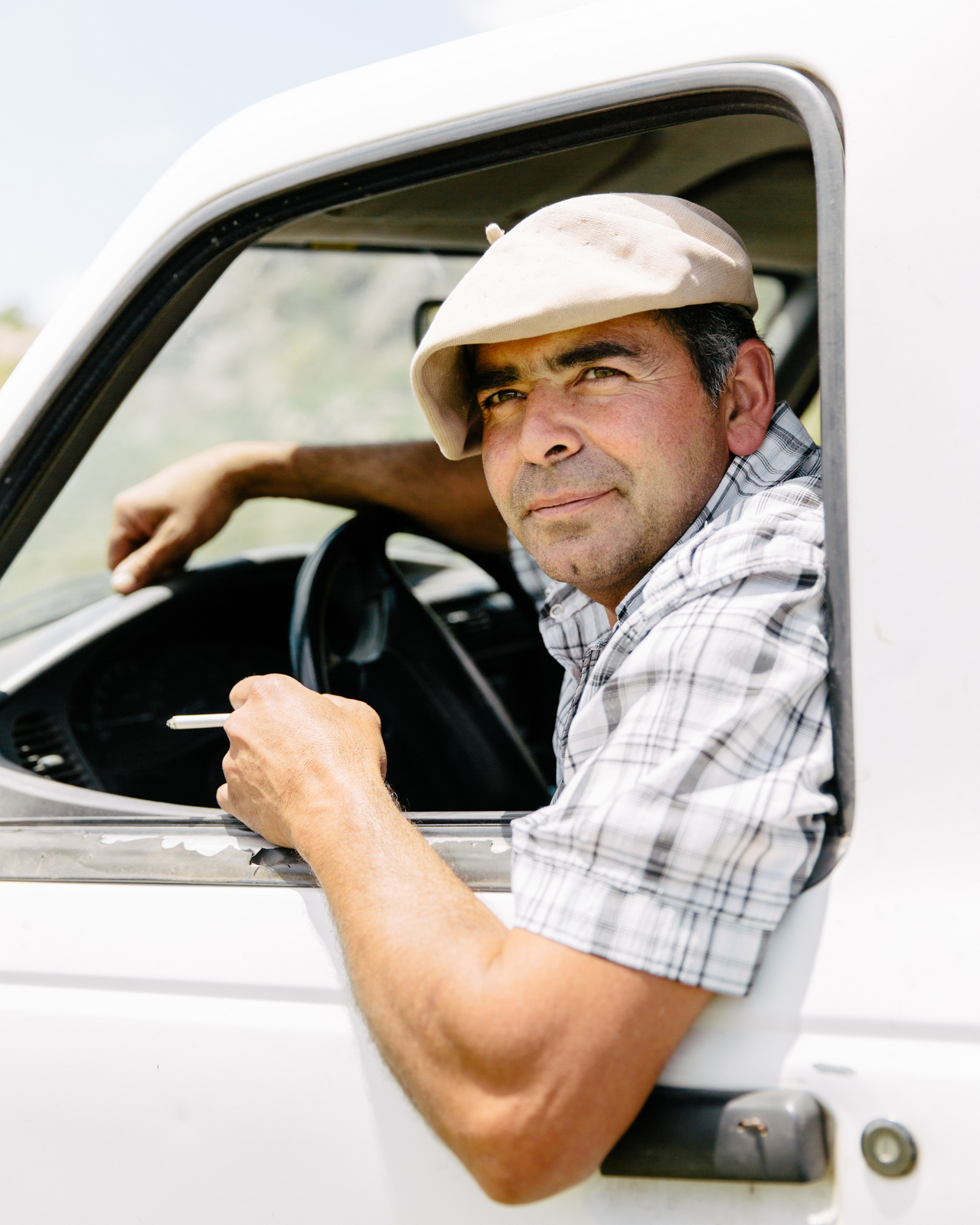
Gaucho

The Gauchos of Estancia Los Potreros

The Gauchos of Estancia Los Potreros

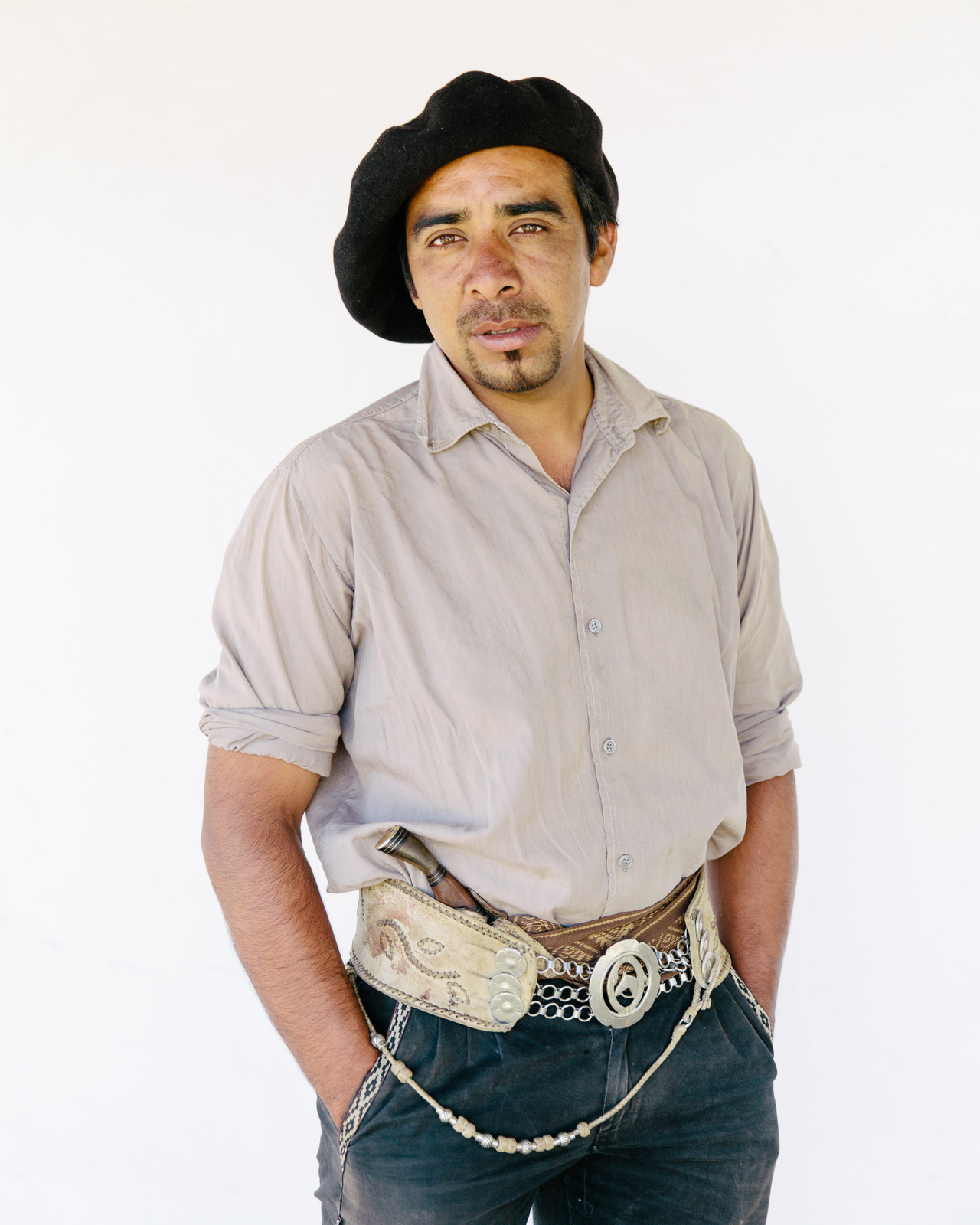
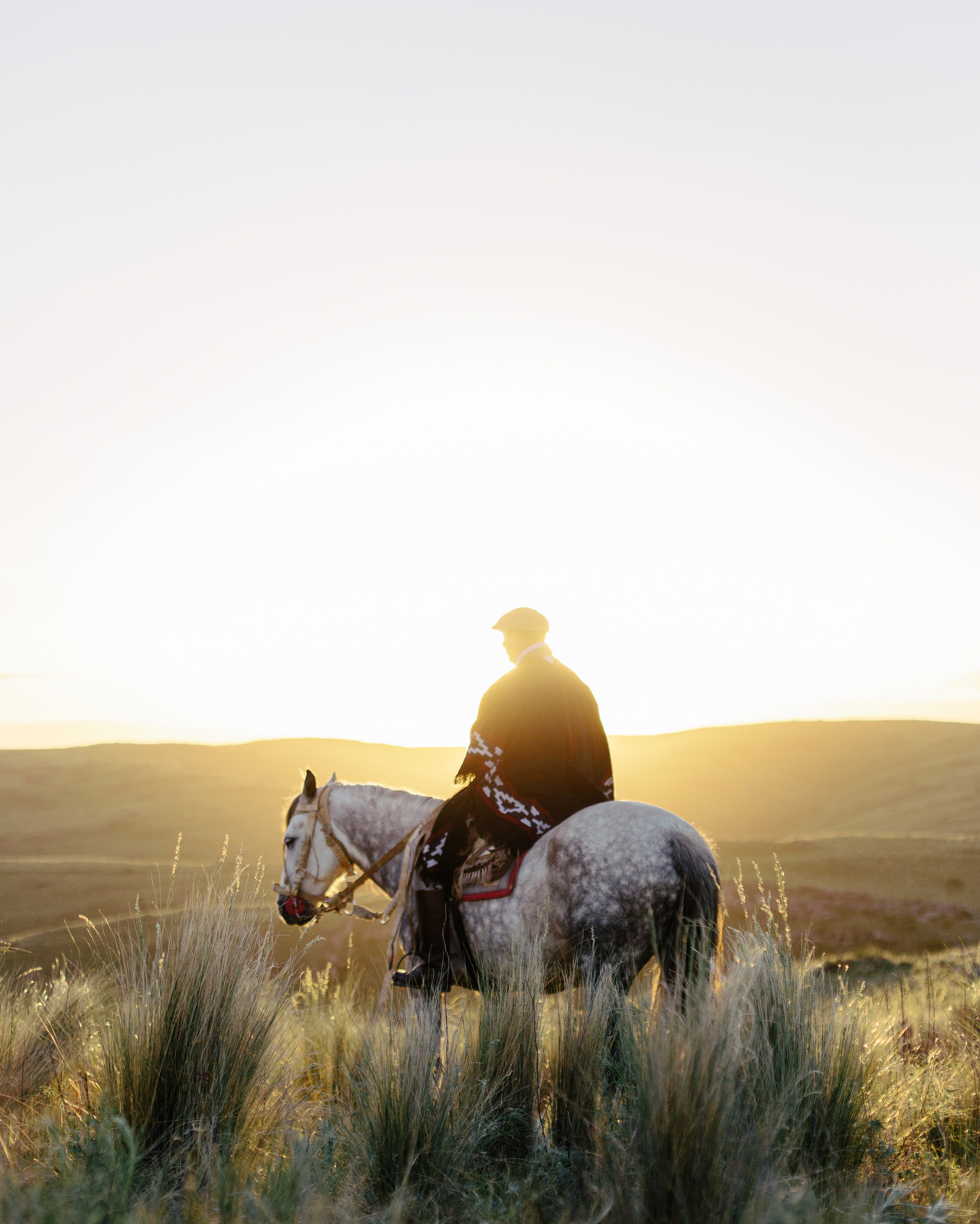
At Estancia Los Potreros, the spirit of Argentina’s countryside comes alive through the legendary gauchos - the skilled horsemen who have been an integral part of Argentine culture for centuries. Known for their deep connection to the land and their unparalleled expertise in horseback riding, the gauchos at our estancia embody the rich history and traditions of Argentina’s rural heritage.

Through the Guides Eyes...

The world has been hugely affected by the ongoing pandemic of 2020 and it is something I am sure many of us will never forget; from the shortage of toilet paper to the extensive period of social distancing, disruption has been widely felt and Argentina is no exception. Although life on a working cattle estancia continues one of our guides Sammie has decided to share with us an insight into quarantine at Estancia Los Potreros.

Herding Cattle with Sammie and Pachi.JPG

‘Que estamos separando? What are we separating?’

´Las lindas de las feas. The beautiful from the ugly´

A year ago today, if you’d told me that I’d be chasing cows around a corral on foot, separating the ‘good looking’ from the ´ugly´ ones I´d have thought you were mad; but here we are. 

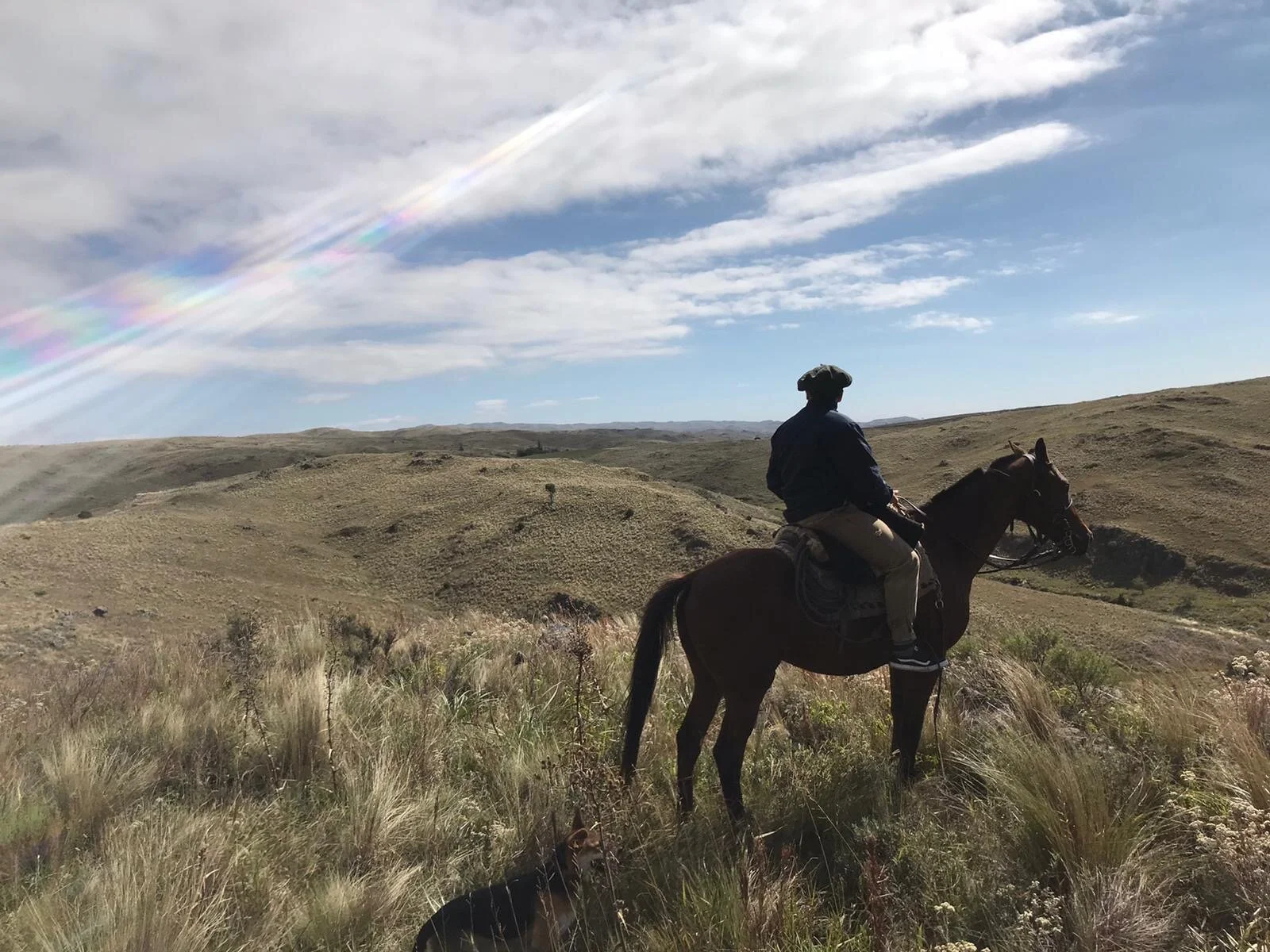
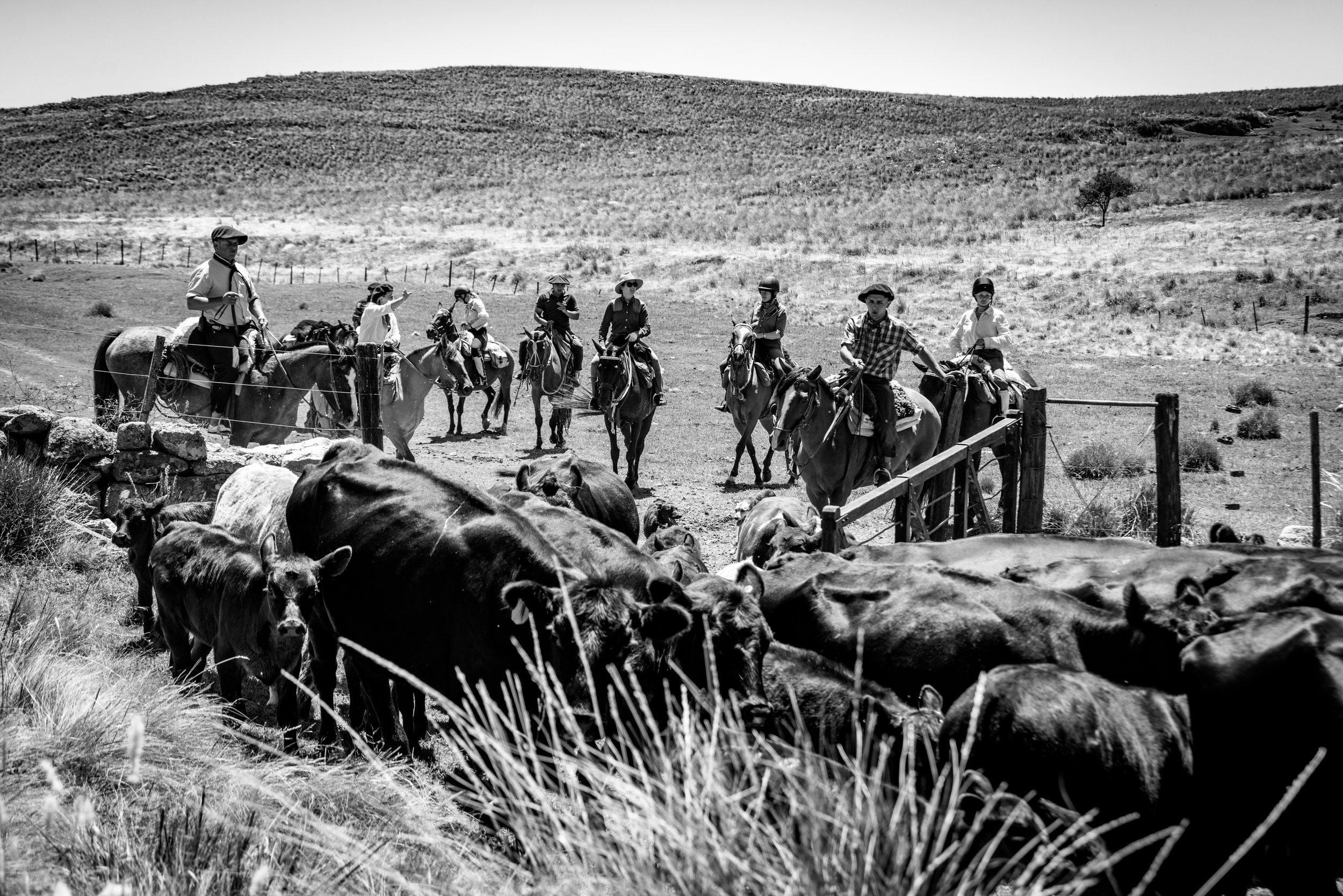
For many across the globe, COVID-19 has put a halt on life, but work doesn´t stop on a farm. This week we pregnancy tested our Aberdeen Angus cows. With the horizon still aglow from a tangerine sunrise, six of us tacked up our horses and headed out to the campo in search of cows in order to herd them to our cattle station. With my ´compañero´ Pachi we headed out across the sierras. ´Go over that hill, and push any cows you find, over the other hill´ Pachi (unhelpfully) instructed; hills, that I might add, are as high, if not higher than Ben Nevis.

Wanting to prove my worth, I cantered over the crest and found some cows scattered over the rock and crag. My horse, Muchacho, much better versed in cow herding than me, and certainly more sure-footed, found his way through the difficult terrain. Nearly six months have passed and I still can´t whistle like the gauchos, but I have learnt to copy their various calls (and Spanish vocabulary that I definitely wasn´t taught as school). Pachi and I reconvened and pushed our cows together. Eventually three distinct lines of cattle from opposing directions converged and the six of us pushed the whole herd to the cattle station. 

Once the cows were separated we quickly took up a station each in order to start testing. Georgie on her horse in the corral pushed 10-15 cows into a smaller corral; Pachi then moved one into the shoot; a gate was then shut behind it (my job); Headman Dani clamped the head; Kevin read out the number to Georgia on his chip reader; the vet entered and inserted her arm to ascertain how far along the cow as with her calf. The cow was then released, and the process started again, only stopping for an asado lunch, cooked by Daniel. 

Work was over for the vet, but not for us. Dust and sweat mingled on our brows, as we then began to separate the female from the male calves, on foot. It was only halfway through this process that I realized the gauchos had rebenques, and we didn´t. Great. If you want to picture what this looks like, all you need imagine is a game of dodgeball, but with live cows. 

Soon we had released all the males, and the next task was to find the 70 best-looking female cows, who were to be the estancia´s future mothers. Previously unbeknown to me, there are certain things you look for in a cow: normally short legs, but here longer ones so that they are able to easily traverse the rocky terrain. Also, a larger build and a ´nice face´ (I still don´t know what this actually means, but the gauchos seemed to). The rest were released, and these 70 would remain in the corral for the next three days to be weaned from their mothers (who would wreak havoc on the estancia trying to find them for the next 72 hrs.)

We rode home as the sun began to set, exhausted and filthy, but soaring in spirit. I reflected on the day, and my life here, wondering what the world will look like when our new calves enter it, and whether, after all of this, I´ll leave Los Potreros more fluent in Spanish or cow?

For enquiries about our guide program please send us your CV to marketing@estancialospotreros.com

Pachi.JPG

Estancia Los Potreros: Argentina’s Wild Heart on Horseback

Estancia Los Potreros: Argentina’s Wild Heart on Horseback

The latest press on Estancia Los Potreros!

Tradition, Community, and Cattle: A Look Inside Our Annual Estancia Sale

Tradition, Community, and Cattle: A Look Inside Our Annual Estancia Sale

The annual cattle sales are one of the major events of the estancia year. Preparation starts a few months before when the animals are selected for sale, and a few days before the auction they are tagged and then transported to the auction yards, about an hour away from the estancia. It is always exciting to visit the auction and see the auctioneer in action.

Through the eyes of . . .

. . . .photographer Kevin Faingnaert.

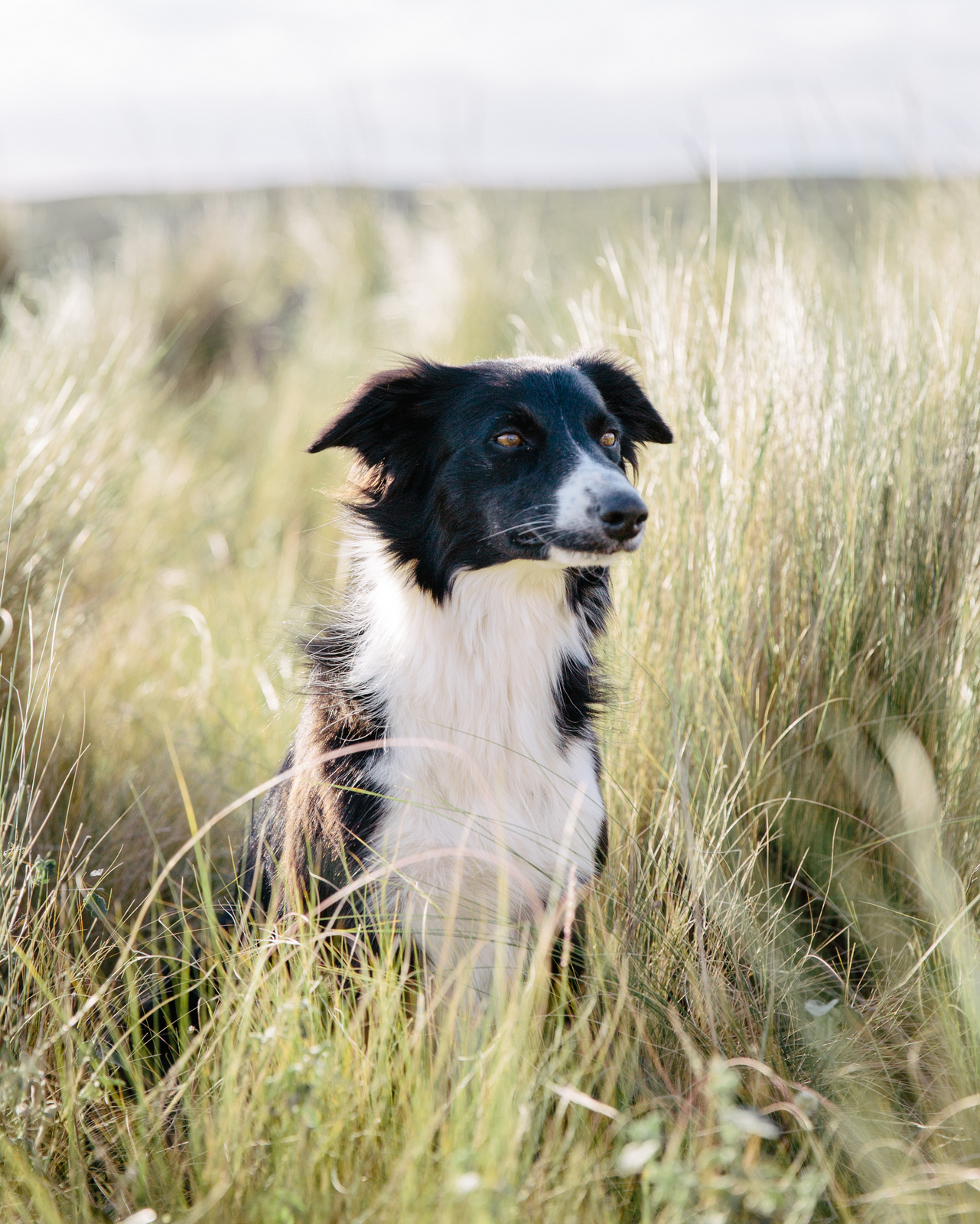
A few weeks ago, we had the pleasure of welcoming renowned Belgian documentary photographer Kevin Faingnaert to Estancia Los Potreros. As part of a three-month journey through Argentina, Peru and Bolivia, Kevin contacted us to ask if he could spend a few days on the estancia, immersing himself in life on the farm and photographing the landscapes, horses and people that make this place so special.

Based in Ghent, Belgium, Kevin is an internationally recognised documentary photographer whose work has been featured by publications including National Geographic, The New York Times and The Atlantic. Before becoming a full-time photographer, he studied sociology, and this background is evident throughout his work. Rather than simply documenting places, Kevin is interested in understanding the people who live there, the traditions they uphold and the communities that shape their identity.

His approach to photography is thoughtful and immersive. Instead of arriving, taking a few photographs and moving on, Kevin spends time getting to know the people and places he visits. By living alongside local communities and experiencing their daily routines, he is able to create images that feel genuine and deeply personal. His photographs are not only beautiful, but also tell stories of culture, heritage and the connections between people and their environment.

During his travels across South America, Kevin deliberately chose to focus on everyday life rather than the continent's most famous landmarks. His project, which he describes as "A Love Letter to Peru, Bolivia and Argentina," captures quiet moments that might otherwise go unnoticed: the changing light across vast landscapes, conversations shared over a cup of maté, the rhythm of daily work and the traditions that continue to define rural communities.

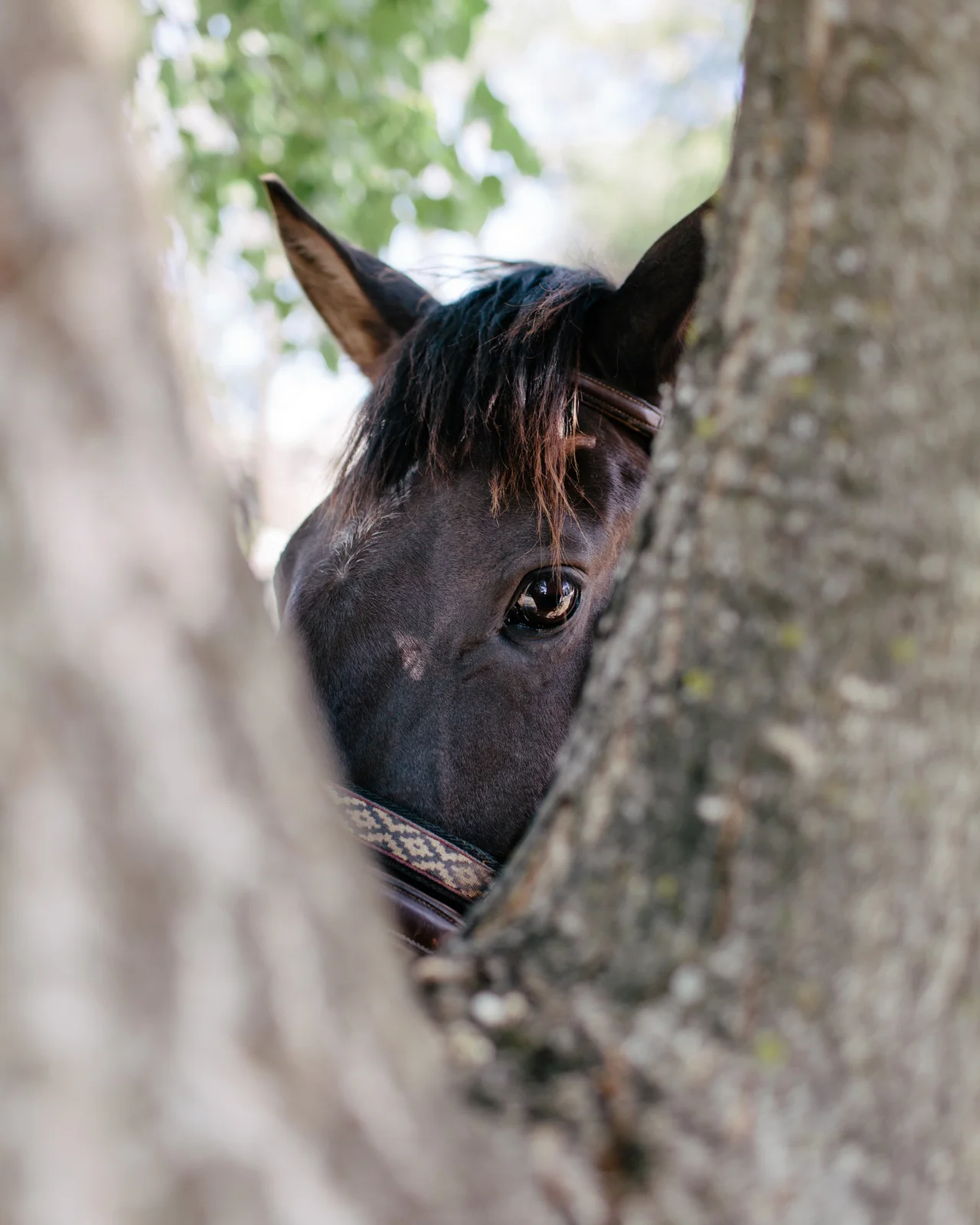
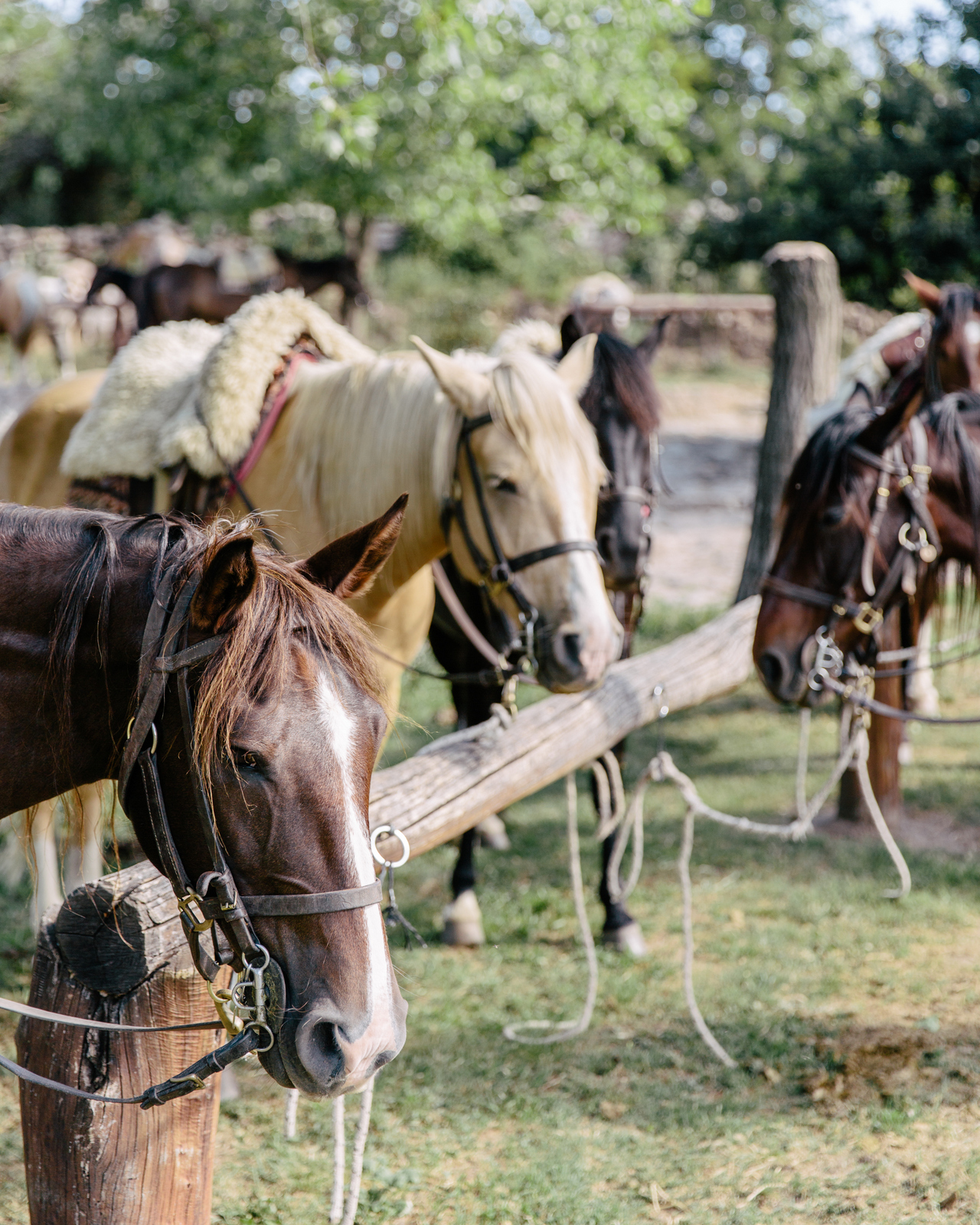
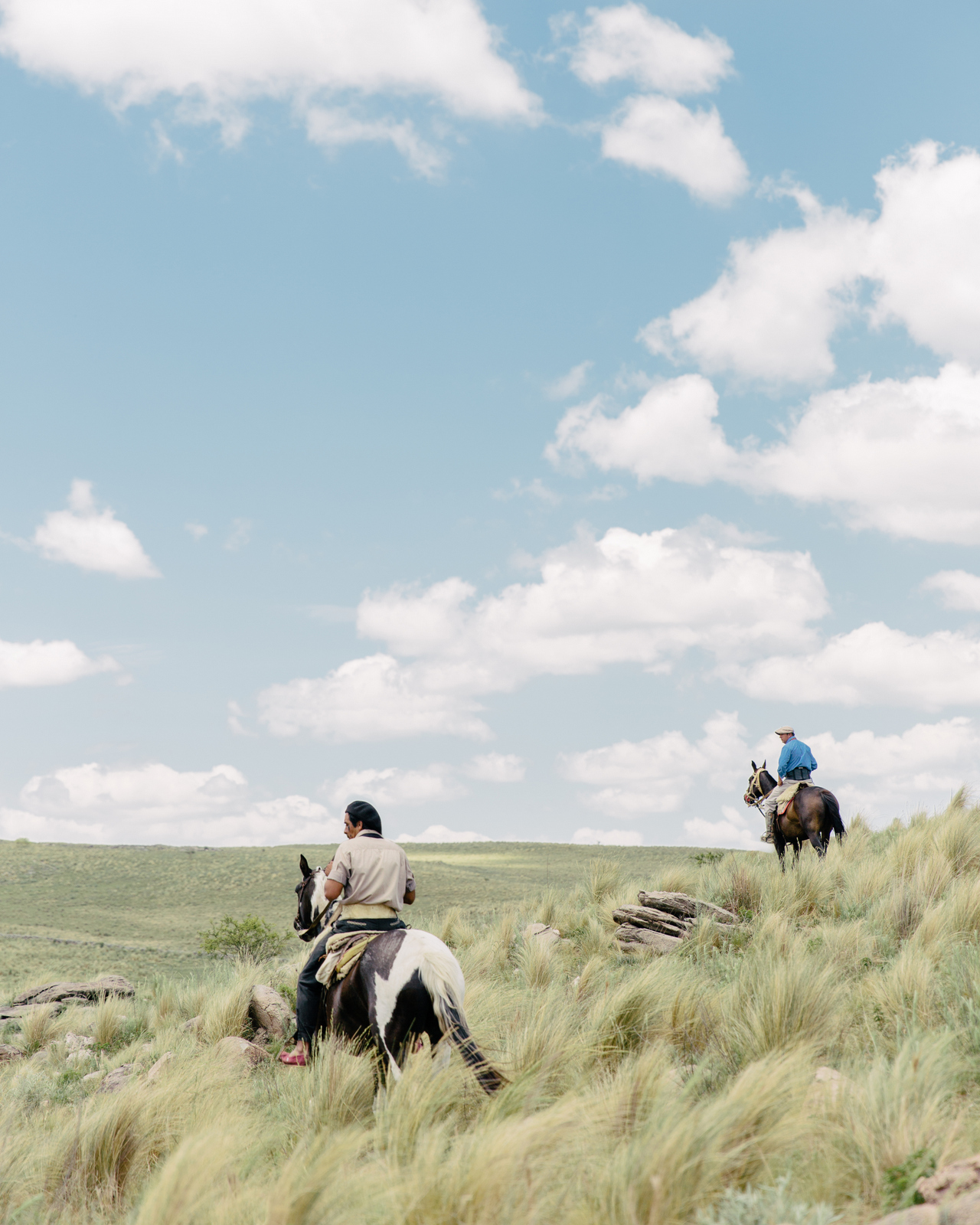
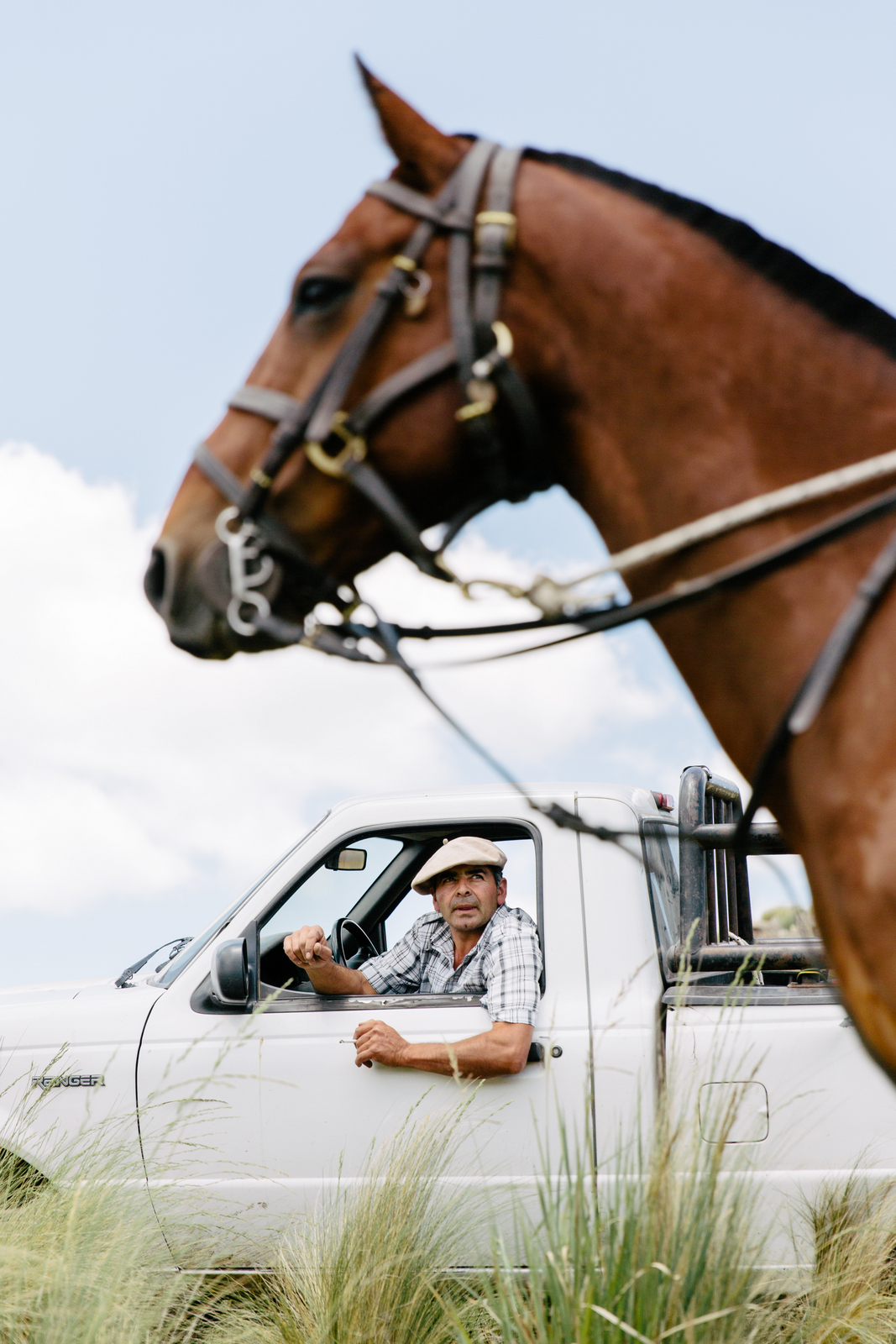
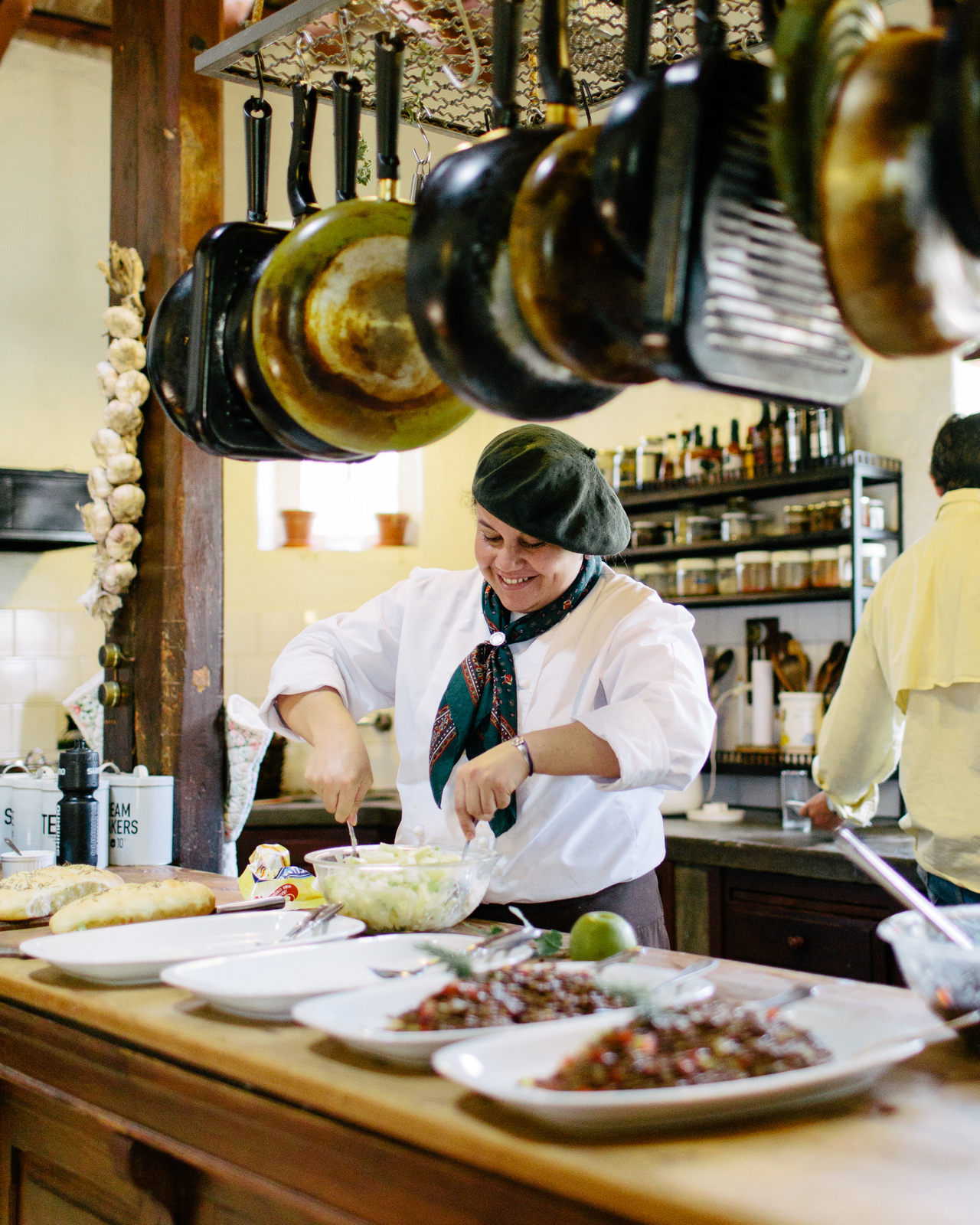
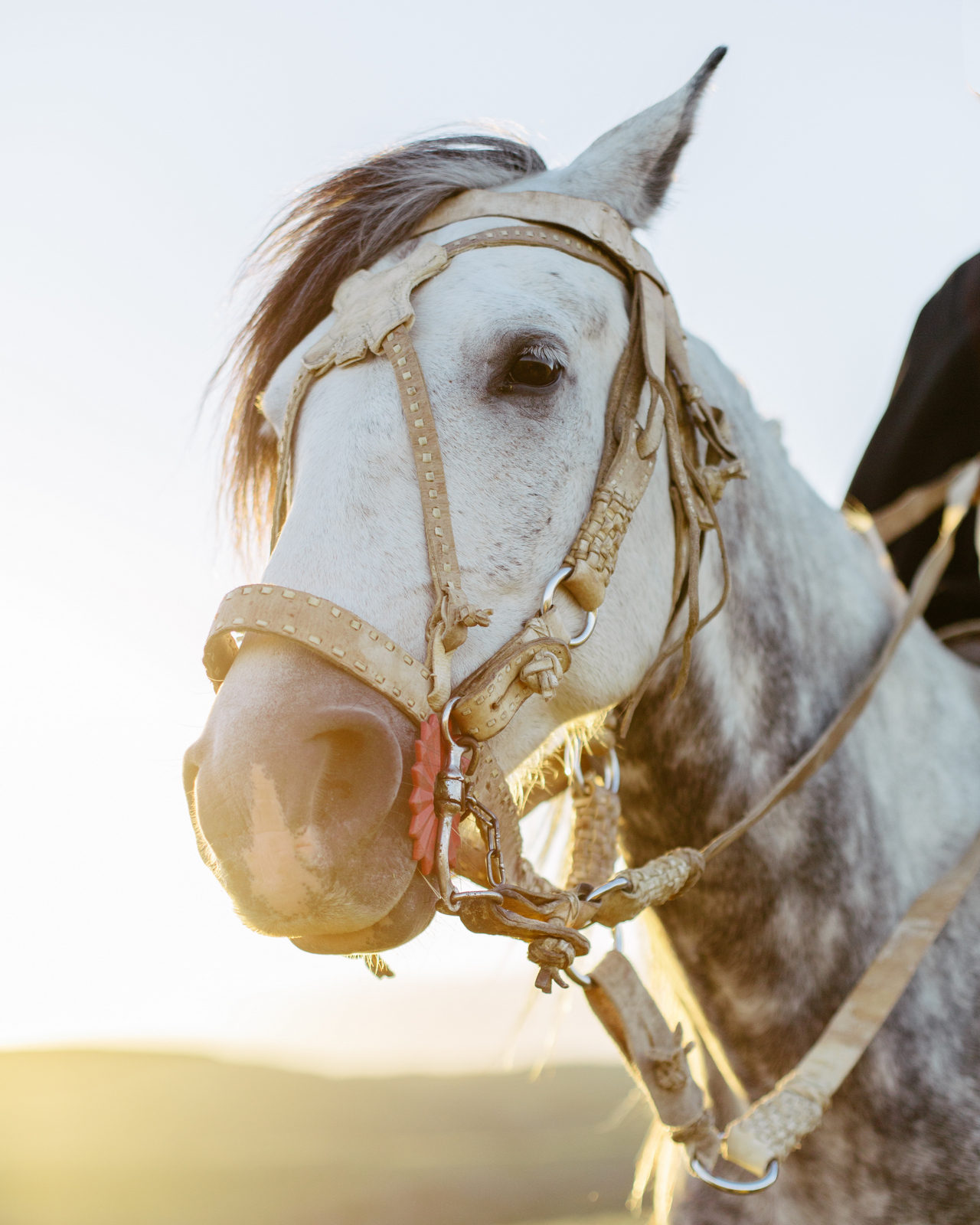
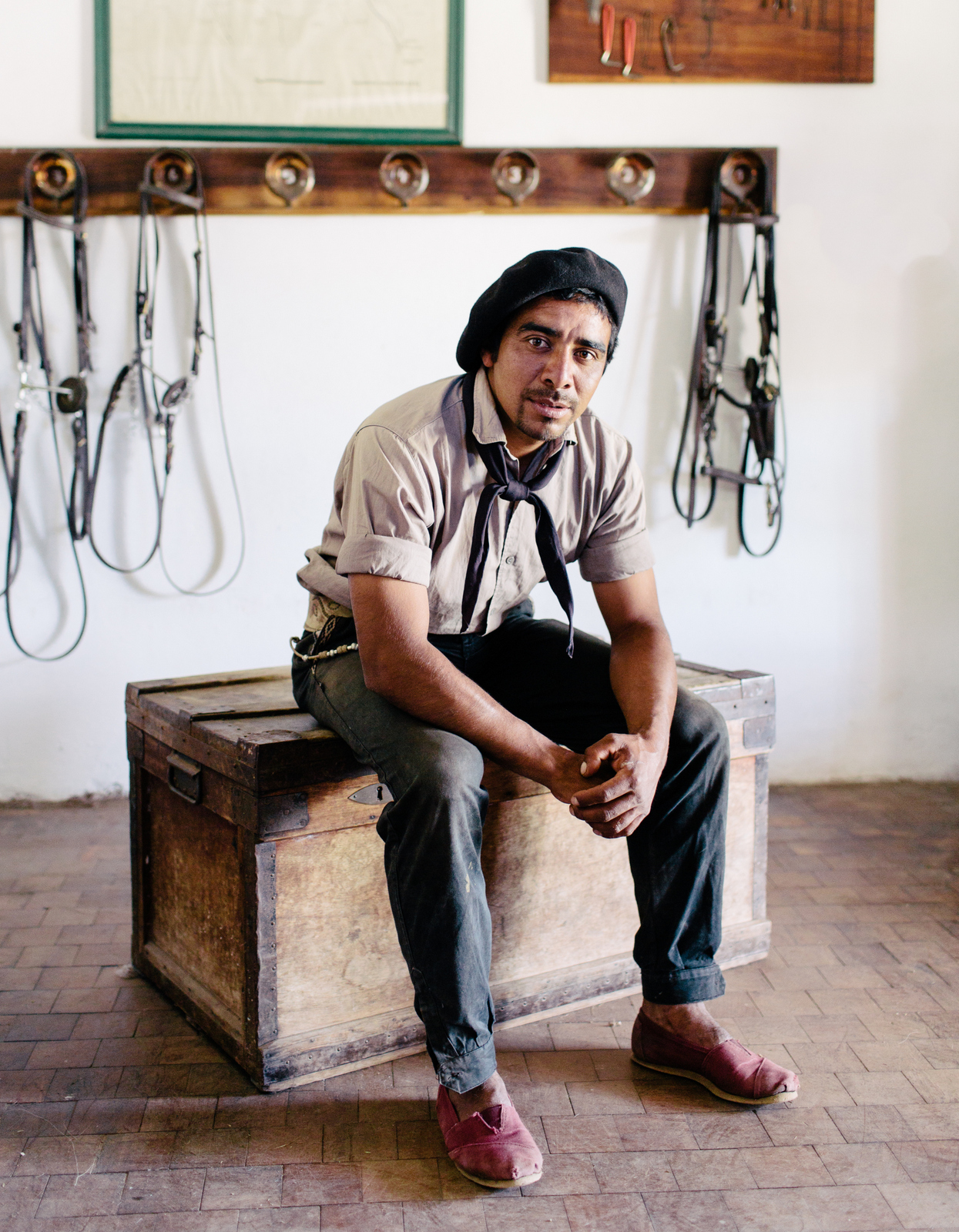
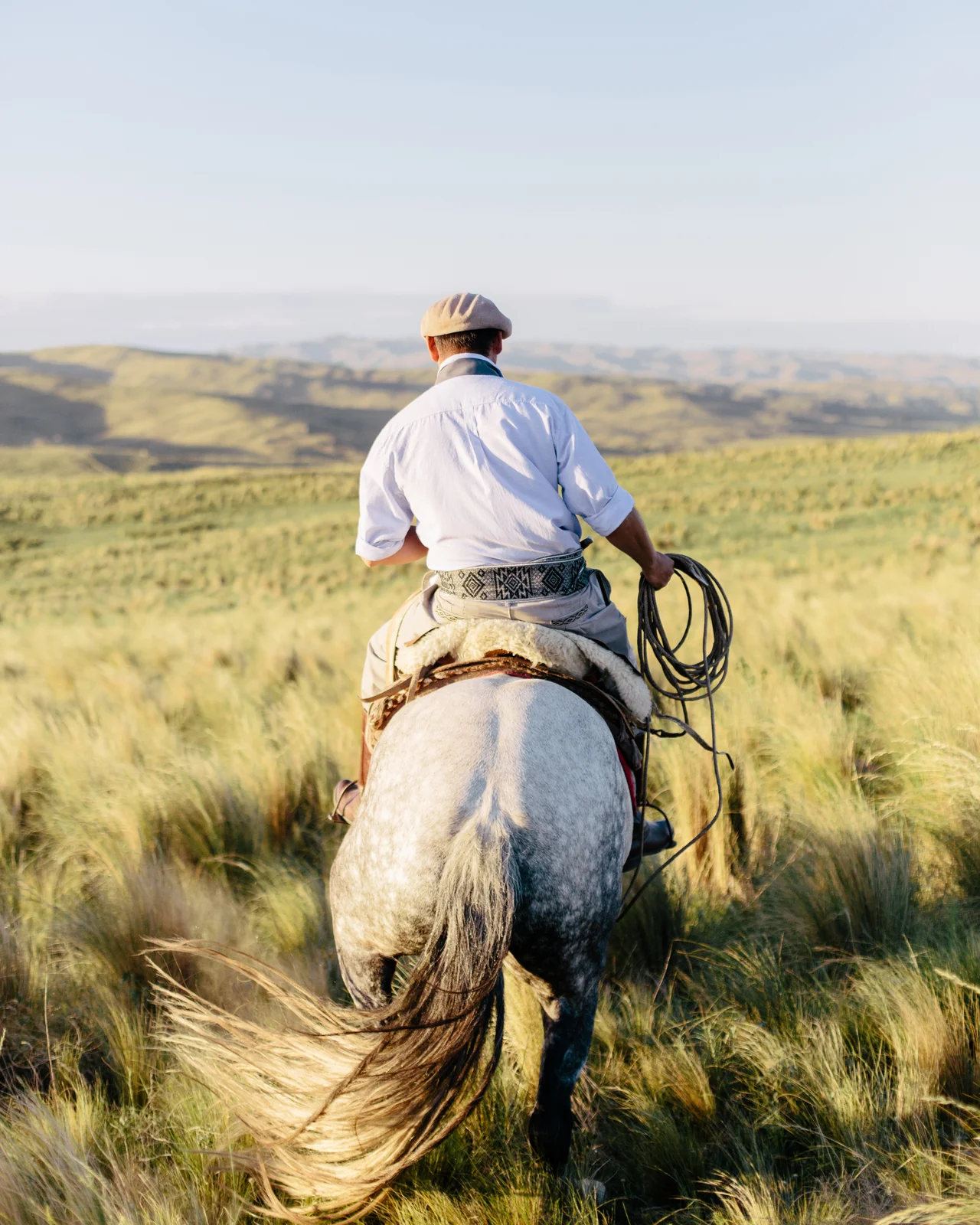
His time at Estancia Los Potreros perfectly reflected this approach. Rather than directing scenes or searching for dramatic moments, Kevin observed life as it unfolded naturally. From gauchos working with horses and cattle to peaceful mornings in the Sierras Chicas, his photographs capture the authenticity of life on an Argentine estancia. The soft natural light, muted colours and carefully composed images create a sense of calm that beautifully reflects the pace of life here.

We are delighted to share a small selection of Kevin's photographs from his stay with us. They offer a unique perspective on the estancia and remind us that some of the most meaningful stories can be found in everyday moments.

If you enjoy documentary photography or simply appreciate authentic travel stories, we highly recommend exploring more of Kevin's remarkable work. His complete portfolio, including his South American series, can be found at www.kevinfaingnaert.com.