
Drinks

Lemon, Ginger & Mint Lemonade Recipe

Homemade Lemonade: A Refreshing Taste of Estancia Life

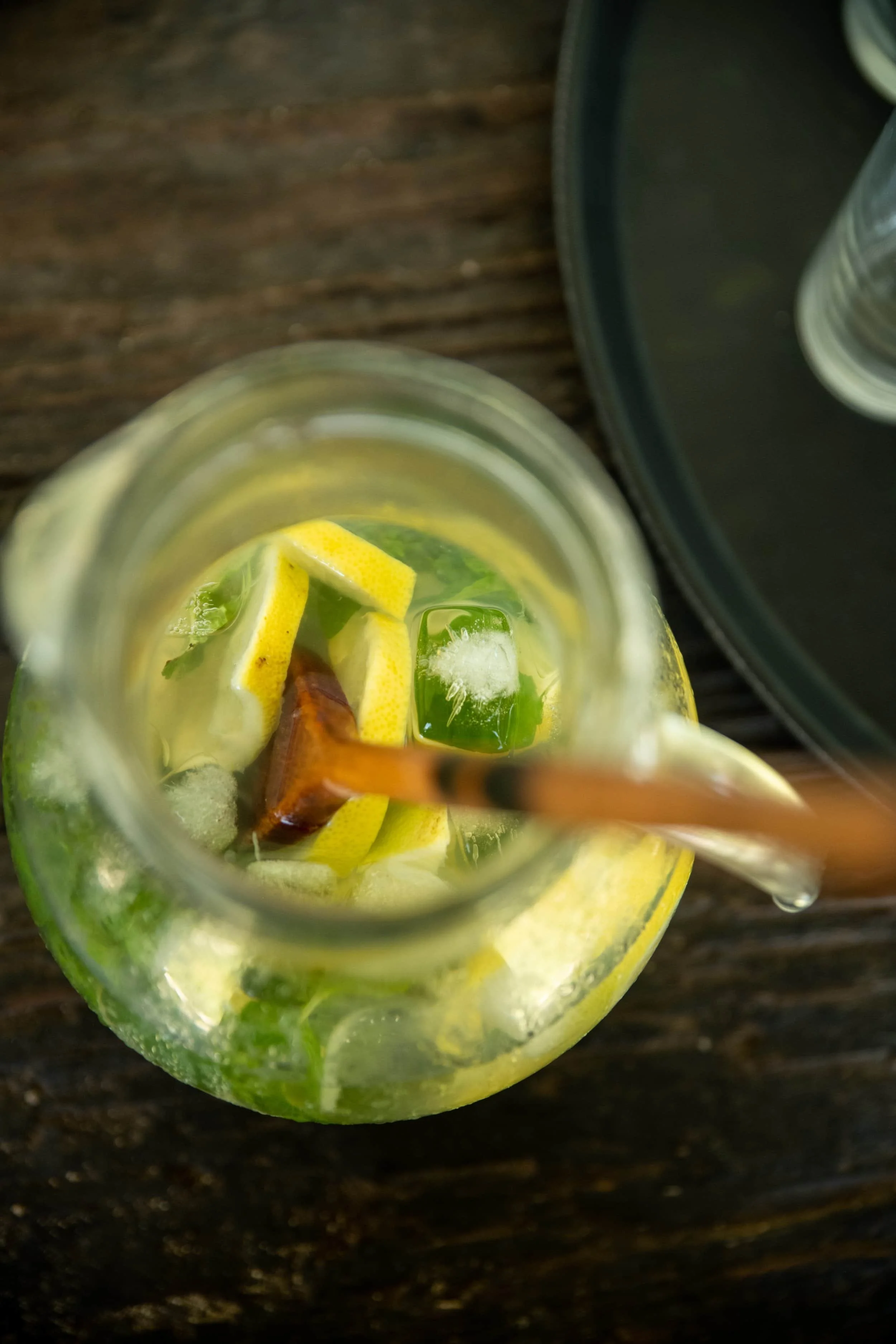
There are few drinks more refreshing than a glass of homemade lemonade on a warm Argentine afternoon. Simple, fragrant and naturally cooling, this traditional drink has long been a favourite at Estancia Los Potreros, where fresh lemons, aromatic ginger and garden mint come together to create the perfect balance of sweetness and citrus.

Life on an estancia revolves around the rhythm of the seasons. During the warmer months, days are often spent riding across the sierras, working with cattle or enjoying long lunches with family and friends. After hours under the Córdoba sunshine, a chilled jug of freshly made lemonade is the perfect way to cool down.

While Argentina is world-famous for its Malbec, mate and exceptional wines, homemade fruit drinks have always been part of everyday life. Citrus fruits grow abundantly across the country, particularly in the northern provinces, making lemons and limes a staple ingredient in kitchens throughout Argentina. Families often prepare refreshing drinks using seasonal fruit, serving them at lunch or alongside an afternoon snack.

Our version has become a favourite at Estancia Los Potreros thanks to the addition of fresh ginger, which gives the lemonade a gentle warmth and subtle spice. A touch of honey adds natural sweetness, while fresh mint from the garden makes every glass even more refreshing.

Whether you're remembering your visit to the estancia or bringing a little of Argentina into your own home, this recipe is wonderfully simple to recreate.

Estancia Lemonade Recipe

Ingredients

  • 3 lemons or limes, peeled

  • ½ root of fresh ginger

  • 2 tsp honey

  • Sugar, to taste

  • Cold water

  • Ice

  • Fresh mint sprigs to serve

Method

Place the peeled lemons, ginger, honey and a splash of hot water into a food processor. Blend until smooth, adding a little more water if needed to create a thick paste.

Pour the mixture through a fine sieve into a jug filled with ice. Top up with cold water and stir well, adding sugar to your preferred level of sweetness.

Serve immediately with plenty of ice and fresh mint for the ultimate refreshing drink.

At Estancia Los Potreros, it's often enjoyed after a morning ride, shared around the table before lunch, or served as guests relax and take in the spectacular views across the Córdoba hills. Sometimes, the simplest recipes become the ones that create the fondest memories.
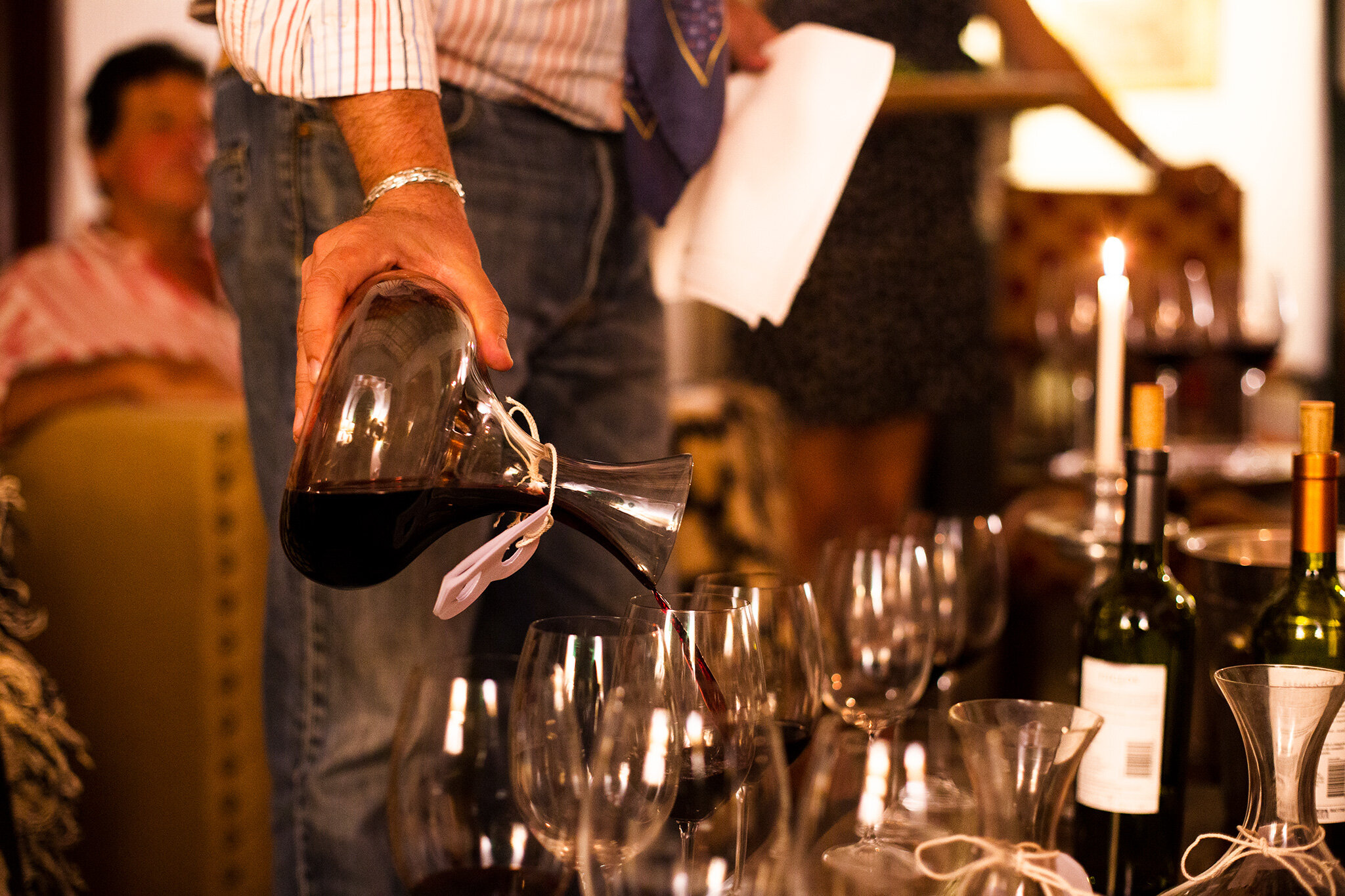


Argentine Wine: Malbec, Torrontés and Córdoba

Argentina is the fifth largest producer of wine in the world. 

Argentina is a vast producer of wine and so throughout your stay in the country you are likely to try a number of different wines from different regions. Large areas of fertile vineyards stretch along the foothills of the Andes dotted with more than 3,000 wineries. The vineyards are based almost entirely on European grape varieties. The region is blessed with a combination of plentiful water from snow melt, sandy harsh soil, a dry a climate with year-round sunshine, which makes for enormous yields.

Cordoba has a wine growing tradition that goes back some centuries. Records show that 10,000 vines were planted the year after the foundation of Cordoba in 1574. The wine cellar of the Jesus Maria Jesuit farm was the largest in the Spanish colony of the River Plate. From this cellar, the very first bottle of wine from the Spanish Americas was sent to the king in Spain. This wine was christened "Lagrimilla" (tear drops), which we still drink as a dessert wine at Los Potreros today!

Wine production in Cordoba had a second wind when immigrants arrived from the region of Friuli Venezia Giulia in northern Italy. They founded "Colonia Caroya" in 1878 only 50 kilometers from Cordoba city in the heart of the old Jesuit country. The spirit of those pioneers still continues, as do some of their traditions and dialects.

Today riders, drivers, walkers and birdwatchers alike all enjoy the Cordoba wine produced by   Bodega La Caroyense among others. Trying the different wines of the region is great fun; La Caroyense offers us history, Bodega La Matilde organic and biodynamic wines, Terra Camiare fresh modern wines.

The popularity of Malbec and Torrontes grape varieties is now spreading all over the world and the Beggs are always keen to share informal wine-tastings with their guests. Mendoza, Cafayate and the end of the world, Patagonia, just but a few options at the Los Potreros table.  

165_Dining_TCunniffe copy.jpg

Mate: The Heart of Gaucho Culture in Argentina

116_Dining_TCunniffe.jpg

Few traditions capture the spirit of Argentina quite like drinking mate (pronounced "mat-aay"). More than just a beverage, mate is a ritual, a social glue, and one of the most authentic windows into gaucho culture you'll find anywhere in the country. Learning how to drink mate properly is something of an art - and once you understand the tradition behind it, you'll see why it's so deeply woven into everyday Argentine life.

What Is Mate?

Technically, "mate" refers to the pot or gourd the drink is served in - not the drink itself. The herb is called yerba mate, and it's this yerba that gives the drink its distinctive, earthy flavour and its reputation as an acquired taste.

The person who prepares and serves the mate is known as the cebador. They fill the gourd with yerba, add hot (never boiling) water, and hand it round for sipping through a bombilla, a metal straw with a built-in filter at the tip.

A Shared Ritual, Not Just a Drink

What makes the mate ceremony so special is how it's shared. One gourd, one bombilla, passed from person to person around the circle - family, friends, or complete strangers alike. It's an act of trust and hospitality, and for many Argentines, a mate session is as much about connection and conversation as it is about the drink itself.

This communal nature is central to Argentine mate tradition, and it's one of the first things visitors notice: walking through any Argentine town or city, it's completely normal to see people carrying a thermos of hot water under one arm and a mate gourd in the other hand, sipping as they go about their day.

Roots in Guaraní Tradition

Yerba mate grows wild in the subtropical jungles of Argentina, Paraguay, Uruguay, Brazil, and Bolivia. Its origins trace back to the Guaraní people, the native Indigenous communities of South America who first discovered and cultivated the plant for its energising properties.

The drink's popularity surged during Argentina's long fight for independence in the 19th century, and it was during this period that mate became firmly embedded in gaucho culture - adopted by the horsemen of the pampas as a daily staple, a source of energy, and a symbol of camaraderie out on the open range.

Why Argentines Love Their Mate

Mate is especially popular first thing in the morning, thanks to its naturally high caffeine content - a welcome jolt for anyone starting the day. But its appeal goes beyond the buzz: yerba mate is packed with antioxidants and vitamins, and remarkably, it contains seven of the nine essential amino acids.

Whether you're exploring the pampas, staying at a traditional Argentine estancia, or simply spending time in Buenos Aires, sharing a mate is one of the most genuine ways to experience local culture. It might take a few sips to acquire the taste - but once it clicks, you'll understand why mate remains an inseparable part of Argentina travel and everyday life alike.

113_Dining_TCunniffe.jpg