



Merienda on the Estancia: Victoria Sponge with Fruit from the Loza Orchard
Afternoon tea first became popular in Argentina during the 19th century, brought over, it's thought, by British immigrants who settled in the country in search of new opportunities. Buenos Aires at the time was a melting pot of cultures, and as the British ritual of afternoon tea mixed with strong Italian and Spanish influences already shaping daily life, it slowly transformed into something distinctly Argentine: the ‘merienda.’
Today, merienda remains one of the most cherished rituals of Argentine life, and here on the estancia it's no different. Every afternoon, just before we saddle up for a ride through the Sierras Chicas, we gather for merienda together - a pause between the work of the day and the golden hours of riding still ahead. Our chefs take it in turns to spoil us with something sweet: warm biscuits fresh from the oven, delicate pastries, or, on the best afternoons, a cake still warm enough to melt the buttercream.
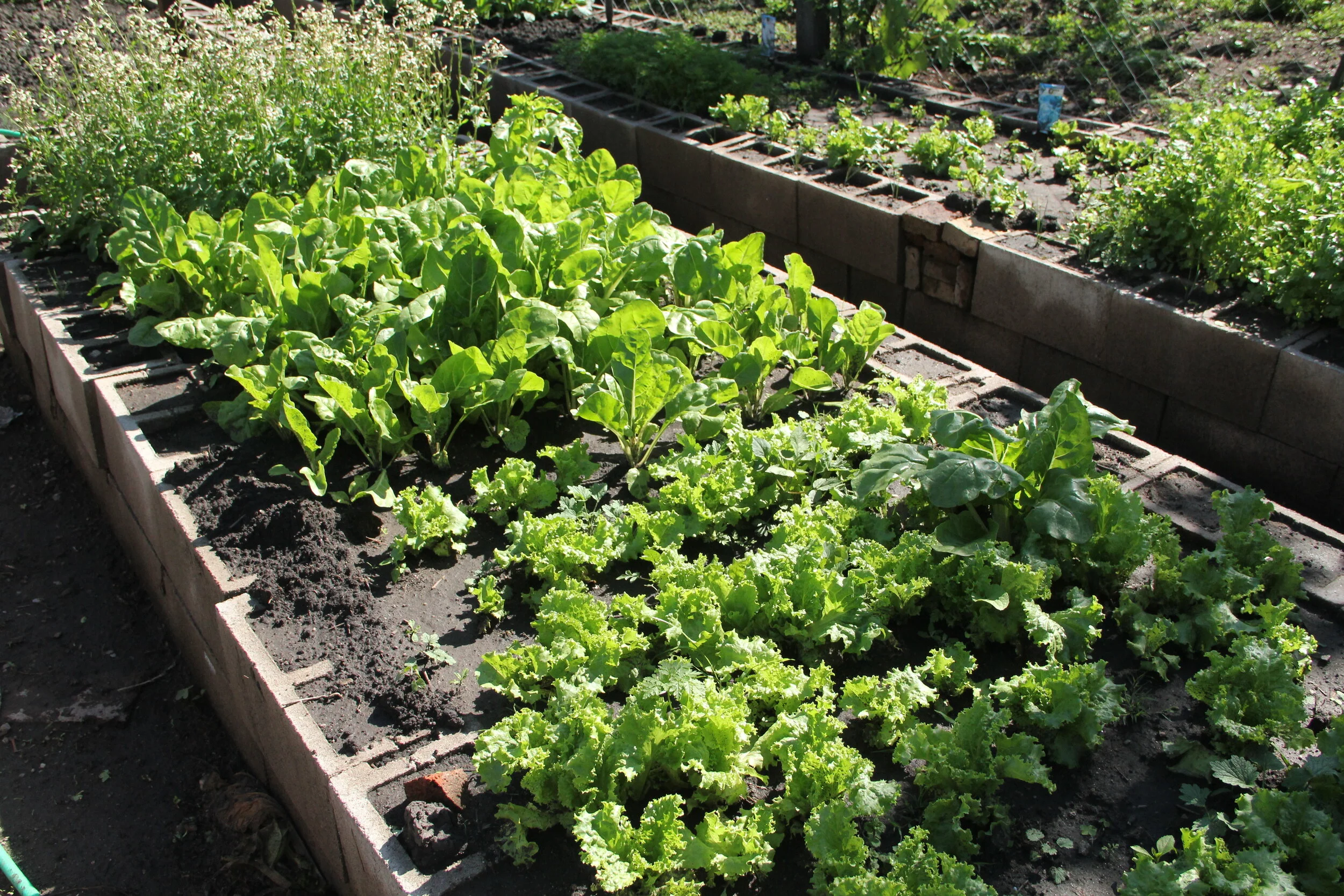
One of our favourite summer choices is a simple Victoria sponge, topped with whatever fruit is ripest that week in the orchard at Loza, plums in early summer, peaches as the season deepens, sometimes a handful of berries if the birds haven't beaten us to them. There's something wonderfully unfussy about a Victoria sponge: two soft layers of vanilla-scented cake, a good jam, and a cloud of buttercream in between. It travels well too, so if the ride runs long, there's usually a slice waiting when we get back.
If you'd like to bring a little estancia life to your own afternoon tea, here's how we make ours.
Ingredients
For the sponge
200g caster sugar
200g softened butter
4 eggs, beaten
200g self-raising flour
1 tsp baking powder
2 tbsp milk
For the filling
100g butter, softened
140g icing sugar, sifted
Vanilla extract
Strawberry jam
Method
Heat your oven to 190ºC/370ºF. Butter two 20cm sandwich tins and line the bases with non-stick baking paper, this makes turning the sponges out afterwards far less stressful than it sounds.
In a large bowl, beat the caster sugar, softened butter, beaten eggs, self-raising flour, baking powder and milk together until you have a smooth, soft batter with no lumps of butter left hiding at the bottom.
Divide the mixture evenly between the two tins and smooth the surface with a spatula or the back of a spoon, so both sponges rise level.
Bake for about 20 minutes, until golden on top and the cake springs back gently when pressed in the centre. Every oven runs a little differently, so keep an eye on it during the last five minutes.
Turn the sponges out onto a wire rack and leave them to cool completely before filling, a warm sponge will melt your buttercream into a puddle, however tempting it is to rush.
While the sponges cool, make the filling: beat the softened butter until smooth and creamy, then gradually beat in the sifted icing sugar along with a drop of vanilla extract, until light and fluffy.
To assemble, spread the buttercream generously over the flat side of one sponge, then top it with strawberry jam or a thin layer of sliced fresh fruit from the orchard. Sandwich the second sponge on top, flat side down, and dust the whole cake lightly with icing sugar before serving.
The cake will keep in an airtight container for up to two days, though on the estancia it rarely lasts that long. Serve it in thick slices alongside a pot of tea or mate, and you'll have everything you need for a proper Argentine ‘merienda of your own.