Meat

The Asado

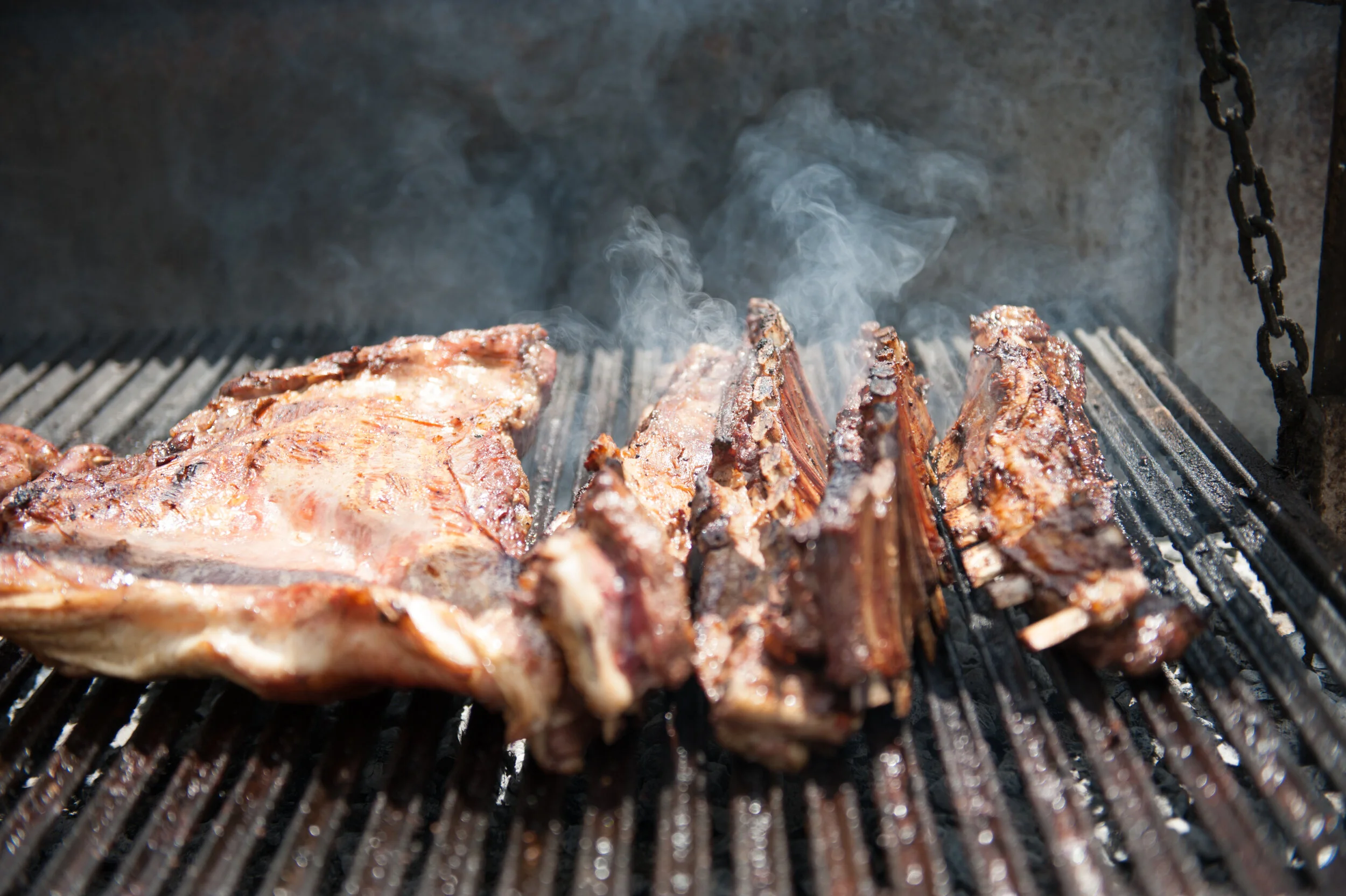
The Argentine asado (or barbecue) is more than just a meal; it is an essential part of Argentine life.

The default option for celebrating birthdays, special events, and holidays, or simply just an excuse to gather with family and friends. You cannot visit Argentina without enjoying an asado. They tend to be long, drawn-out meals stretching through the afternoon and into the evening. An asado is cooking in its purest most simple form. 

Argentines prepare the meat for an asado very simply; just with salt. They prefer not to use marinades. The asador will season the meat with coarse salt, but the true flavour of the asado comes from good grilling techniques and high quality beef. Most Argentines prefer their meat cooked medium well or well done and often like the fattier cuts of meat, as they typically have more flavour.

At a typical asado, at least three of the following items will be prepared. Sausages are served first, followed by other cuts of meat. The other cuts of meat could include;

LosPotsKitchen Asado
  • Chorizo (pork sausage seasoned with salt, black pepper, garlic)

  • Morcilla (blood sausage)

  • Salchicha Parrillera (thin sausage rolled  in a large spiral)

  • Mollejas (sweetbreads)

  • Tira de Asado (short ribs)

  • Vacío (flank steak)

  • Bife de chorizo (sirloin steak)

  • Matambre (flank)

  • Achuras (offal)

  • Chinchulines (small intestines)

  • Riñones (kidneys)

There may also be grilled chicken, pork or kid offered as well. At Los Potreros and across Argentina, a suckling pig is cooked on the parrilla on special occasions such as Christmas or New Year’s Eve. 

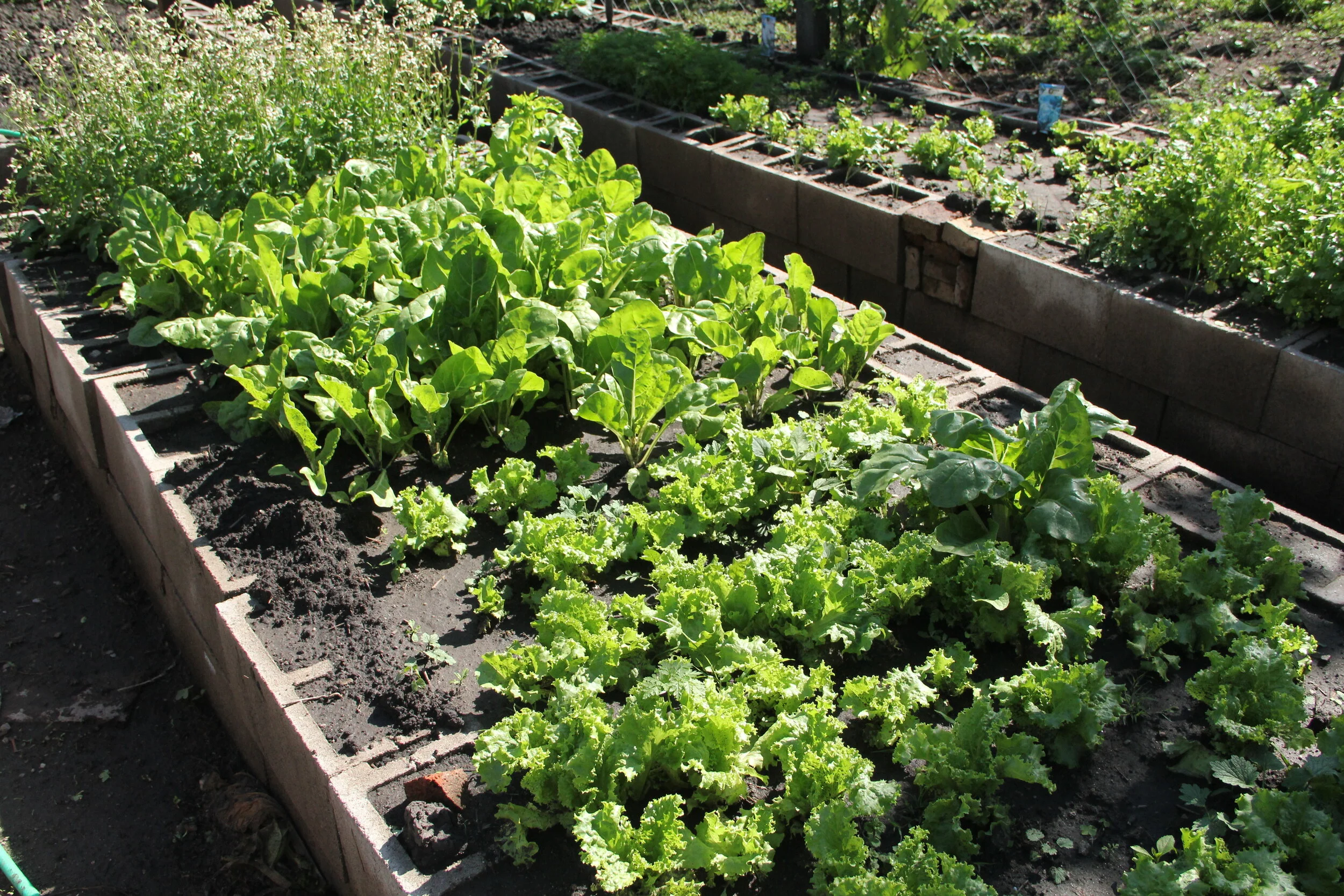
Argentine asado’s are all about the meat, but there’s usually at least one or two token vegetables or non-meat dishes on offer. Provoleta, a grilled, gooey slab of cheese seasoned with fresh herbs from the garden, makes the perfect start to the meal. Potatoes, sweetcorn or bell peppers roasted also feature regularly on the Los Potreros menu.  

Starting the fire with dry hard wood creates better coals. Light the fire around 11:00 for a 14:00 lunch or earlier depending on the number of coals needed for cooking and type of wood.

Keep adding wood and once you have good coals place them under the parrilla. 

Cook the meat on top - it takes a long time for well cooked meat so bare this in mind. Once you have coals under the parrilla you can test to see if it is hot enough for cooking if you can hold your hand above for more than 10 seconds it needs more coals. Another sign to listen for is if you can hear the meat sizzling when you put it on the grill.

023_Dining_TCunniffe.jpeg

Osobuco

Osobuco

One of our favourite and most celebrated meals on the estancia is Osobuco. There is nothing nicer than walking in for dinner to be greeted by the aroma of red wine and rosemary. The chefs prepare the osobuco at lunchtime and the meat braises for at least 5 hours throughout the afternoon, ensuring the meat is soft and full of flavour when they go to take it for dinner the beef falls spectacularly off the bone.

A Los Potreros Asado

The asado is far more than a barbecue - it is one of Argentina’s most cherished traditions and an important part of its cultural identity. For generations, families and friends have gathered around the fire to share food, conversation and time together, making the asado as much about the experience as the meal itself.

The origins of the Argentine asado can be traced back to the gauchos who roamed the vast pampas during the eighteenth and nineteenth centuries. Spending long days tending cattle, gauchos would cook freshly butchered beef over open flames using little more than wood, embers and simple iron crosses known as asadores. With an abundance of high-quality cattle and few ingredients, the focus was always on allowing the natural flavour of the meat to shine.

As Argentina's cattle industry grew, so too did the popularity of the asado. What began as a practical way for gauchos to prepare a meal gradually became a social occasion enjoyed throughout the country. Today, it is common for families to spend an entire Sunday afternoon gathered around the parrilla, where the slow process of tending the fire is just as important as the food itself. Unlike many barbecues, an Argentine asado is never rushed. The meat is cooked slowly over glowing embers rather than high flames, creating tender, flavourful cuts.

An authentic Argentine asado often features a variety of meats, including beef ribs, bife de chorizo, sausages (chorizo), blood sausage (morcilla) and sweetbreads, accompanied by simple side dishes such as fresh salads, grilled vegetables and crusty bread. Chimichurri provides the perfect finishing touch without overpowering the quality of the meat.

At Los Potreros, the tradition of the asado remains at the heart of life on the farm. Many of the cattle are raised on the estancia using regenerative grazing practices, meaning guests can enjoy beef that reflects both the quality of the land and the care that goes into producing it. Watching the fire being prepared, smelling the aroma of wood smoke and sharing a meal outdoors are all part of an experience that has changed remarkably little over the centuries.

For visitors to Argentina, taking part in an asado is one of the most authentic ways to understand the country's culture. It is a celebration of community, hospitality and the gaucho heritage that continues to shape rural life today. Whether enjoyed at a family home or on a working estancia, the Argentine asado remains a timeless tradition where the greatest ingredient is simply sharing good food with good company.