Kitchen

April Flavours of the Sierras Chicas

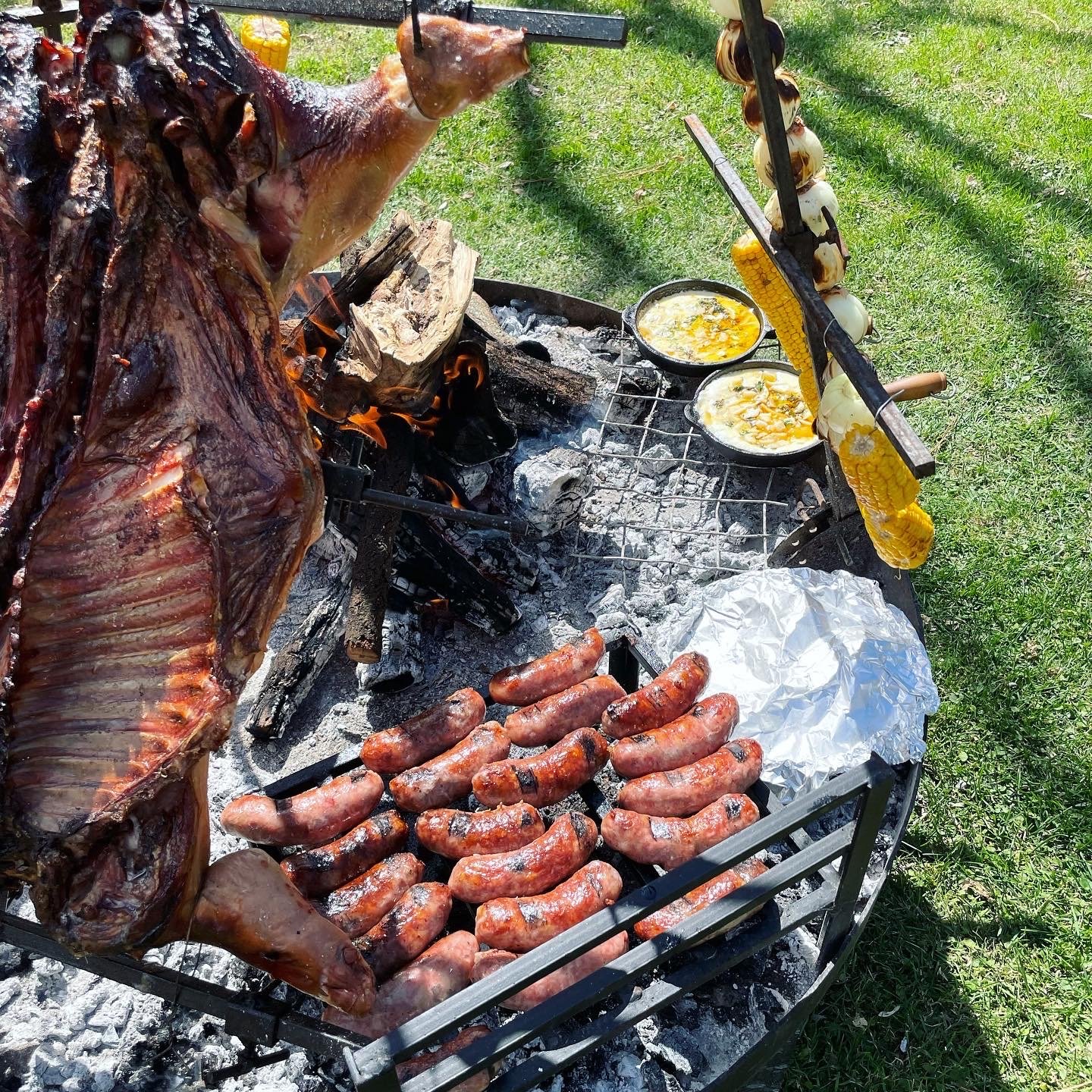
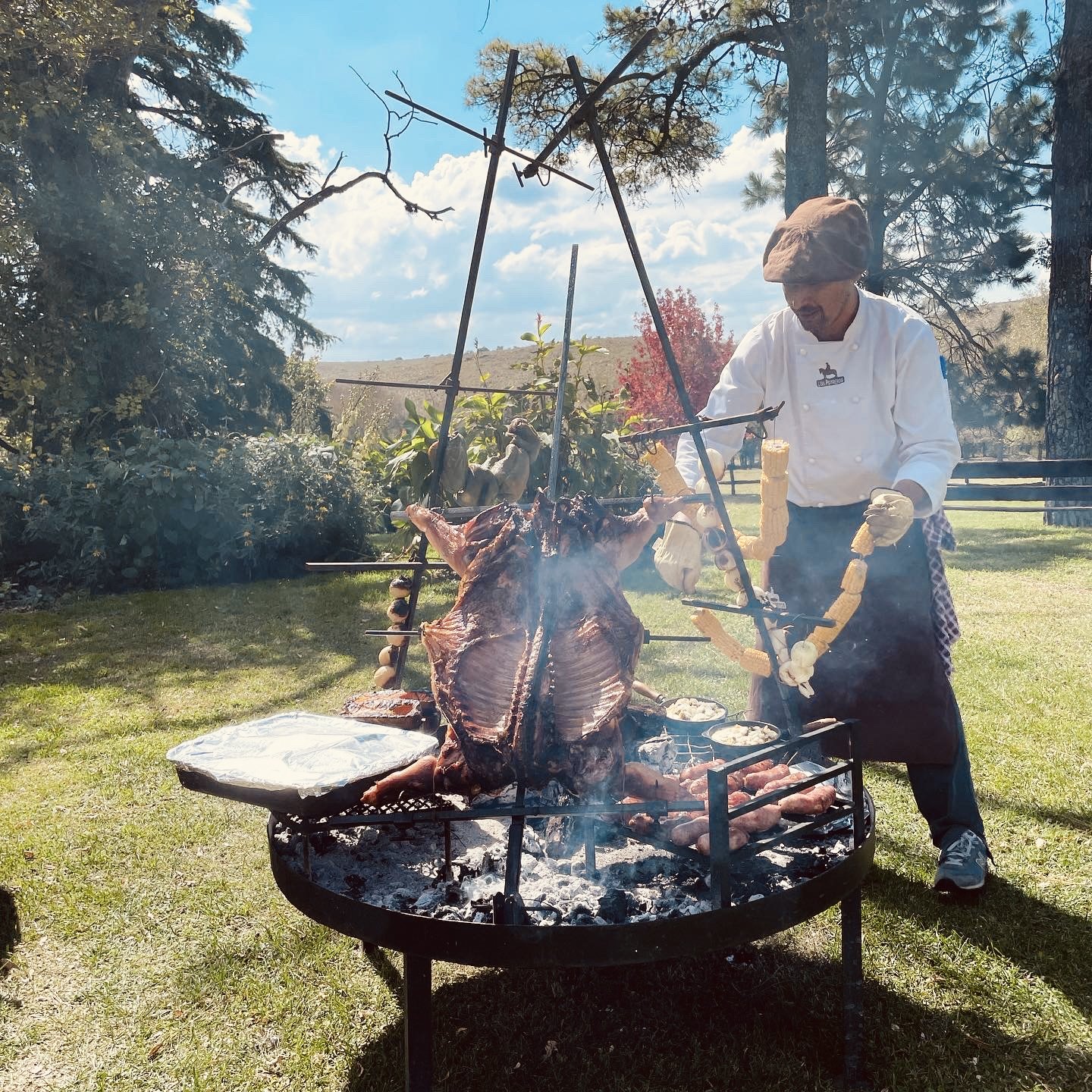
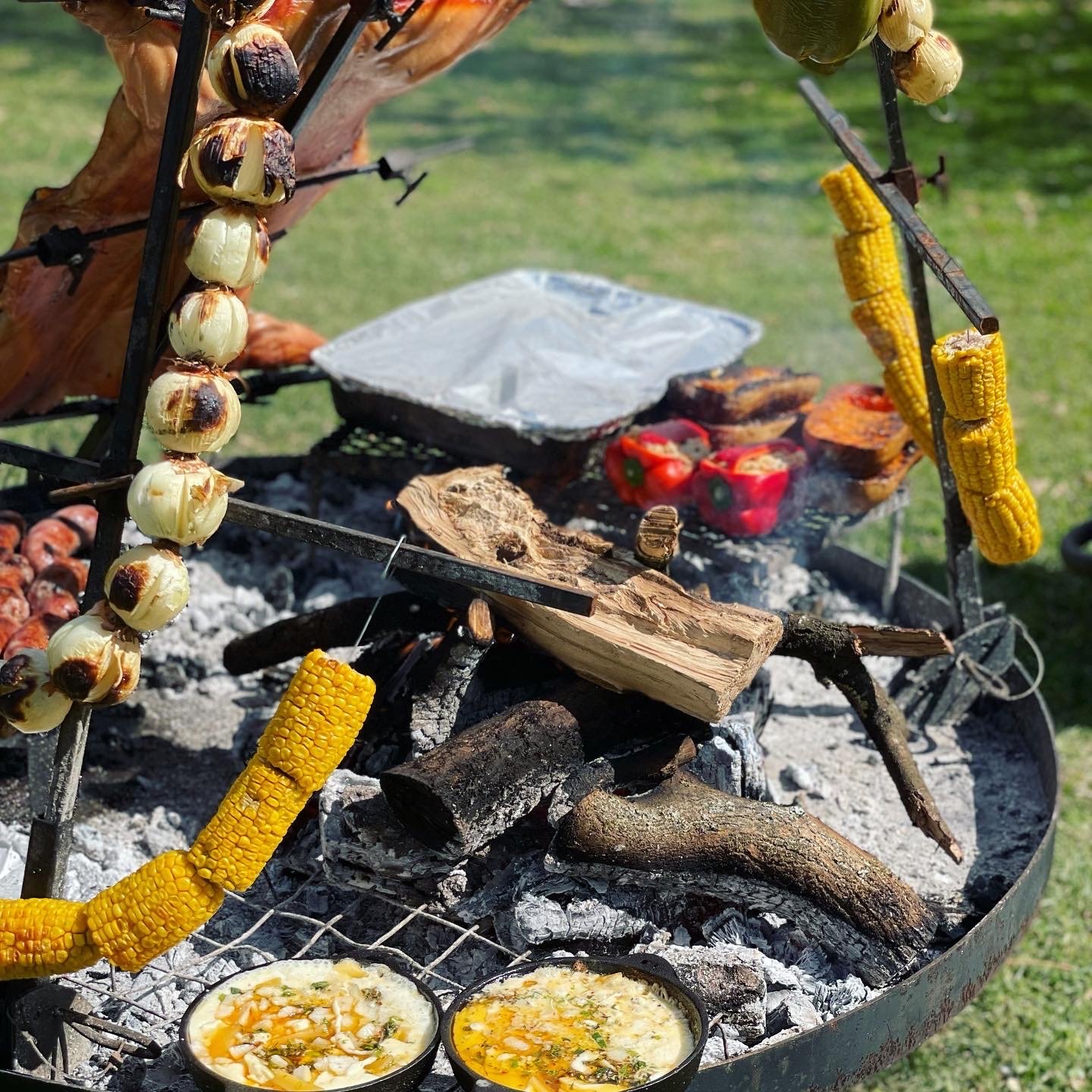
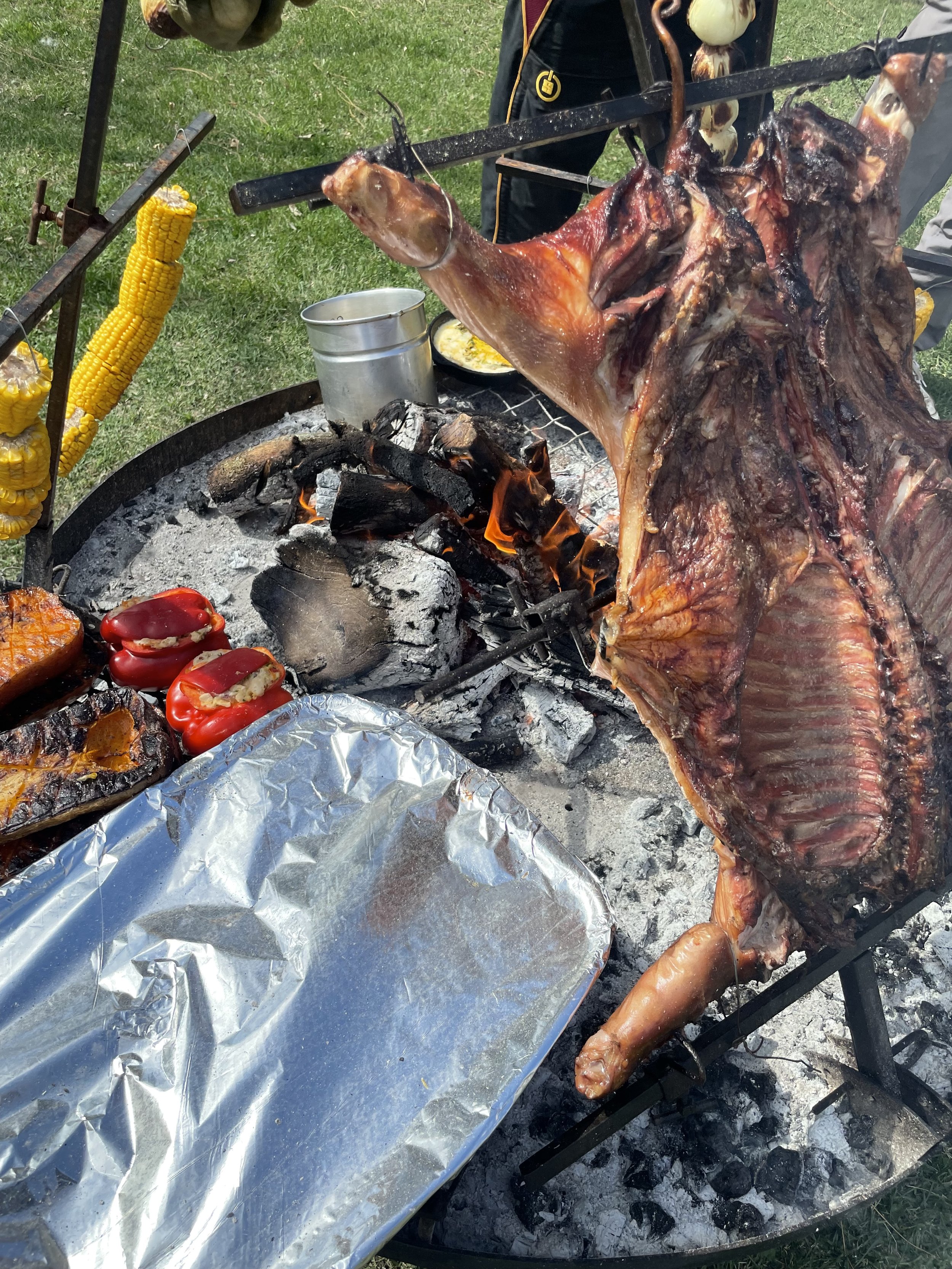
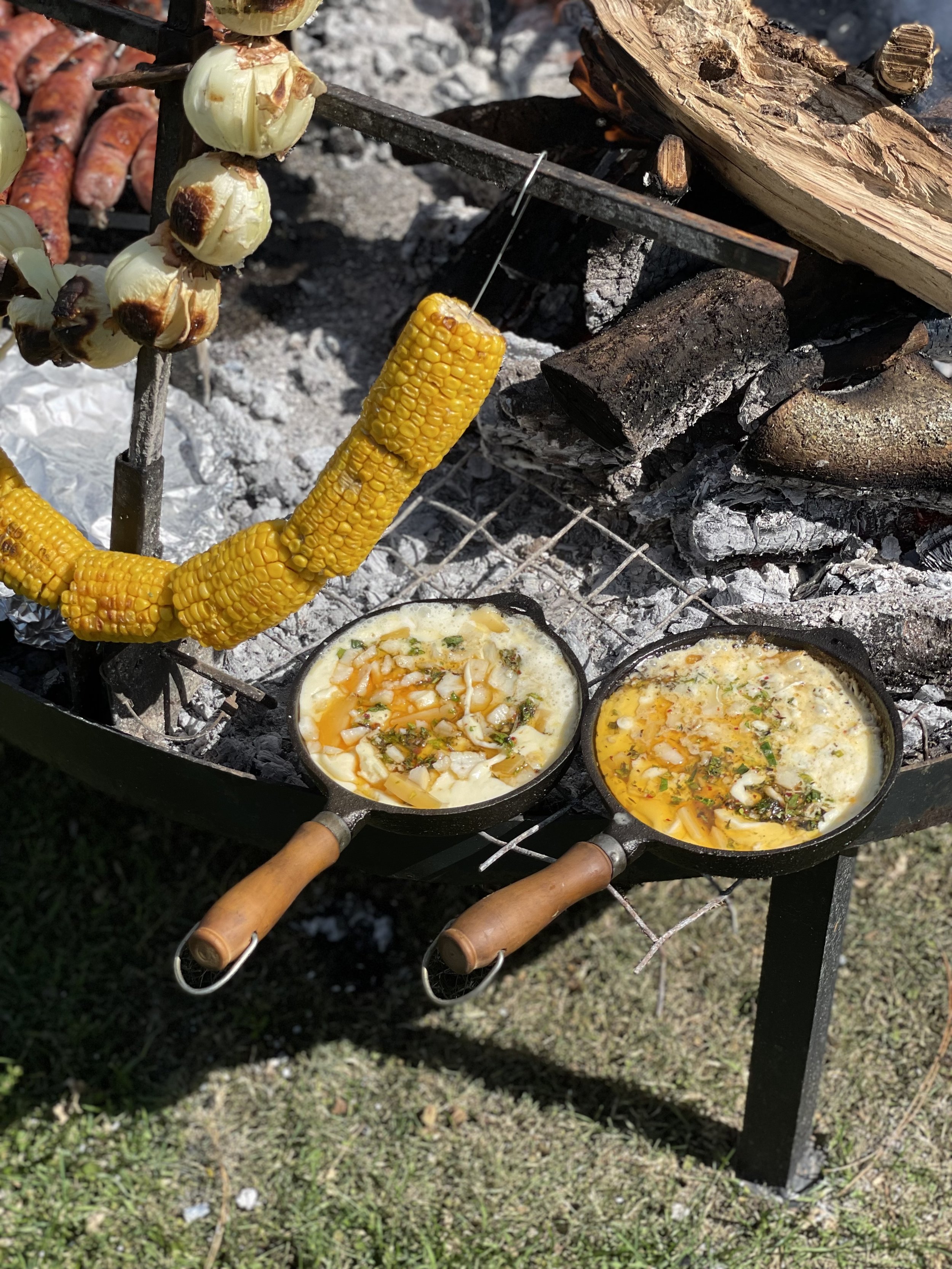
April in the Los Pots Kitchen brings a bounty of seasonal ingredients and unique flavours that celebrate the changing seasons in Argentina. As we transition from summer to autumn, our kitchen team at Estancia Los Potreros prepares hearty, fresh dishes that reflect the rich traditions of Argentine cuisine. Experience the best of local, sustainable cooking, with ingredients sourced from our own gardens and local suppliers.

Here in the Sierras Chicas, autumn arrives gently - cooler mornings, golden light over the hills, and a landscape shifting from summer's greens to russet and amber. This is a season of transition in the kitchen too, as we move away from the bright, light dishes of summer toward the warmer, earthier flavours that define Argentine autumn cooking.

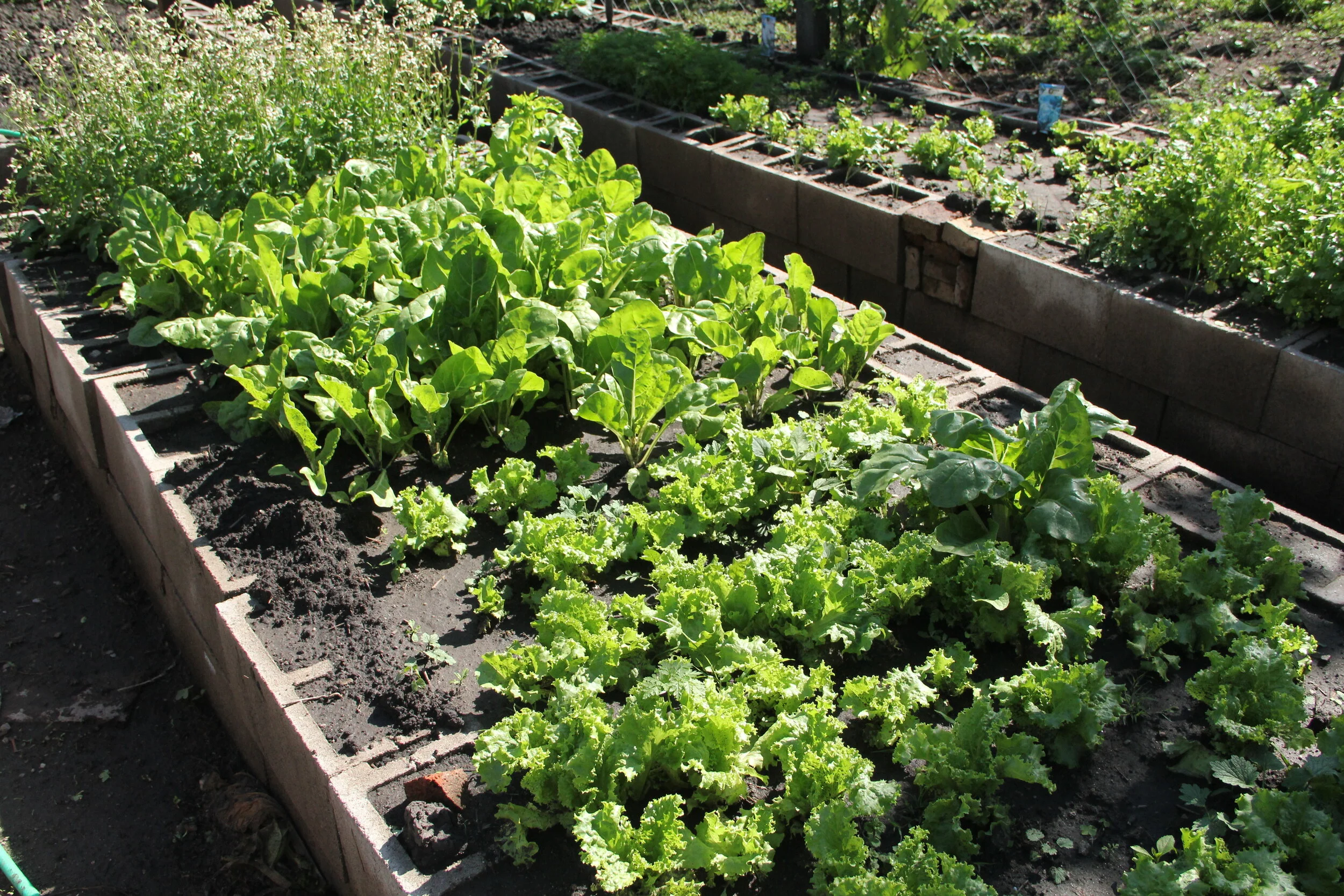
Our gardens are especially generous this month. Acelga (Swiss chard) and spinach come in thick, dark bunches, perfect for tartas and empanadas. Beets, turnips, and radishes pull from the soil with vivid color, while celery, fennel, and leeks add depth to slow-cooked stews and broths. Cabbage and Brussels sprouts, at their sweetest after the first cool nights, find their way into roasted side dishes alongside our grass-fed beef. Sweet potato - batata - becomes a kitchen staple, roasted whole in the coals or folded into warming purées.

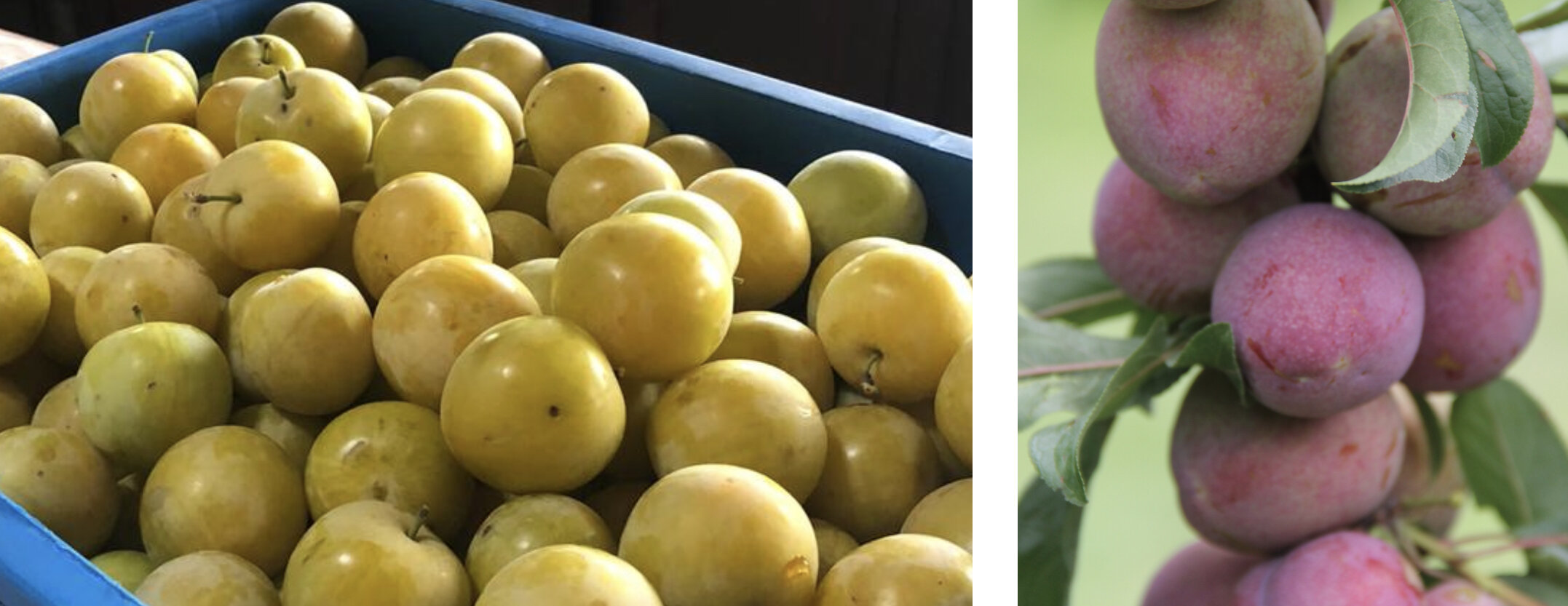
Citrus is where April truly shines in the Sierras Chicas. Oranges, mandarins, lemons, and grapefruit ripen through the region this month, their brightness a perfect counterpoint to the richness of autumn cooking. We use them in everything from marinades for grilled meats to simple desserts finished with candied peel. Alongside the citrus, apples, pears, and quince come into season -the quince in particular destined for our own dulce de membrillo, a tradition we honor every year, simmered slowly and served alongside local cheeses.

Avocados, too, reach their peak in April, adding a creamy richness to salads built around our garden greens: watercress, escarole, and chicory, all harvested just steps from the kitchen door. And as the sierra nights grow crisper, we begin drawing on the region's walnuts and almonds, toasted and folded into salads or used to finish a dish with a bit of crunch and warmth.

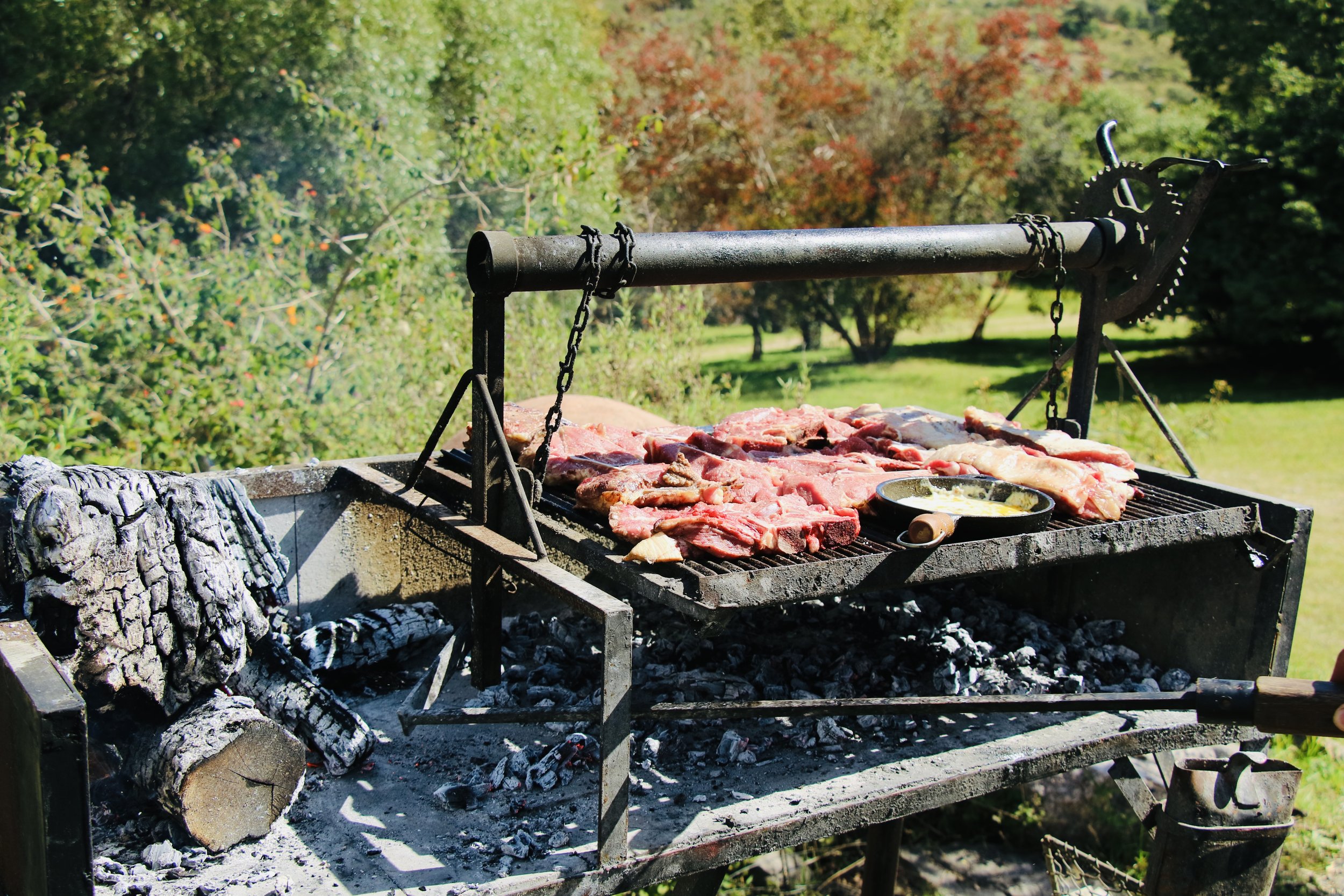
What makes this season special is not just the ingredients themselves, but the rhythm they set. Cooking with what the land offers in a given month means every dish tells you exactly where you are in the year. An April table at Los Potreros might feature a chard and cheese tarta, slow-roasted root vegetables from our garden, grilled beef finished with an orange and herb marinade, and a simple dessert of poached pears with local honey. Nothing traveled far to reach the plate, and everything reflects this particular moment in the Sierras Chicas.

This commitment to seasonal, sustainable cooking is at the heart of what we do. It connects our kitchen to the land around us, honours the traditions of Argentine cuisine, and ensures that every meal - simple or celebratory - captures the true character of the estancia and the season we're in.
Lemon, Ginger & Mint Lemonade Recipe

Homemade Lemonade: A Refreshing Taste of Estancia Life

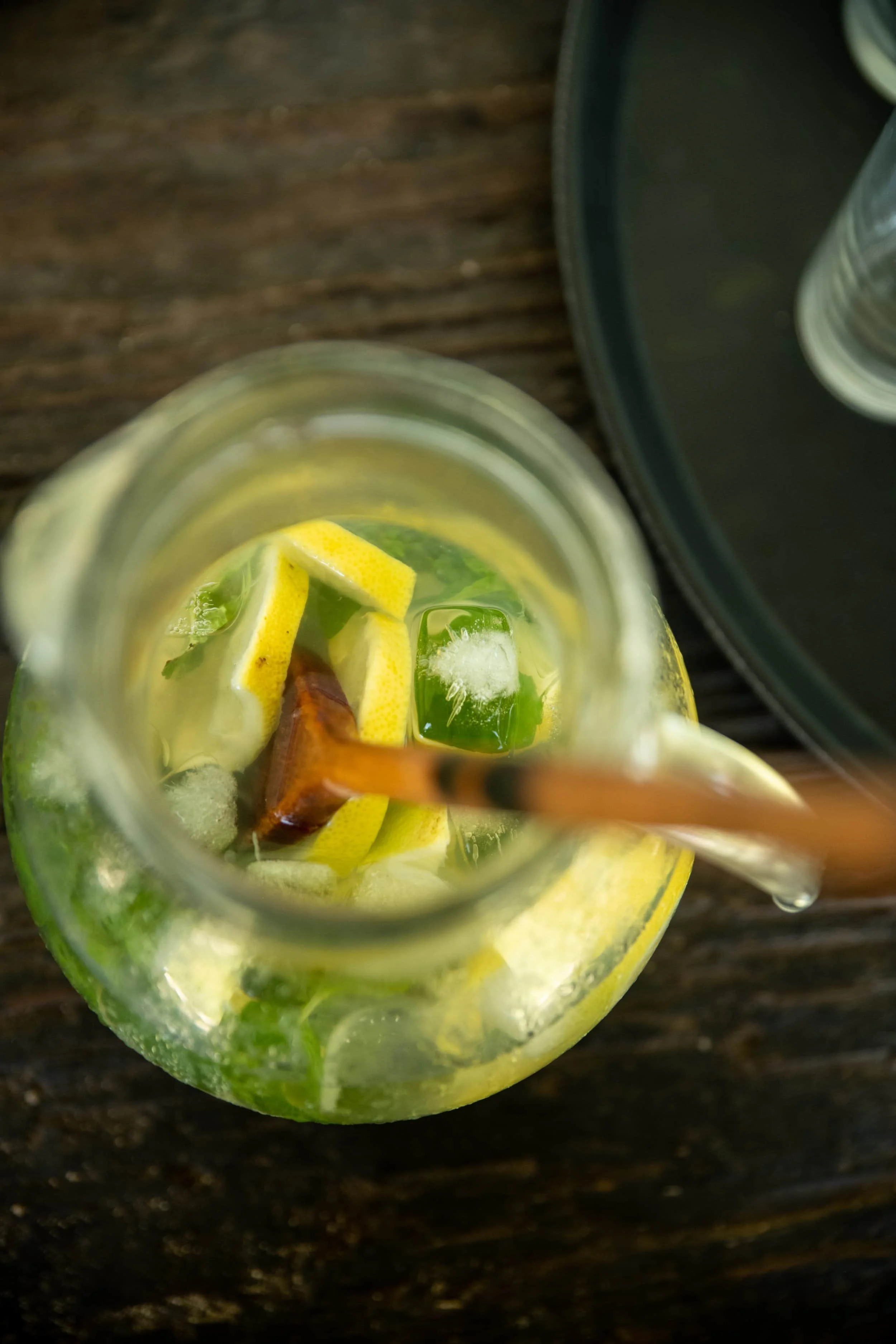
There are few drinks more refreshing than a glass of homemade lemonade on a warm Argentine afternoon. Simple, fragrant and naturally cooling, this traditional drink has long been a favourite at Estancia Los Potreros, where fresh lemons, aromatic ginger and garden mint come together to create the perfect balance of sweetness and citrus.

Life on an estancia revolves around the rhythm of the seasons. During the warmer months, days are often spent riding across the sierras, working with cattle or enjoying long lunches with family and friends. After hours under the Córdoba sunshine, a chilled jug of freshly made lemonade is the perfect way to cool down.

While Argentina is world-famous for its Malbec, mate and exceptional wines, homemade fruit drinks have always been part of everyday life. Citrus fruits grow abundantly across the country, particularly in the northern provinces, making lemons and limes a staple ingredient in kitchens throughout Argentina. Families often prepare refreshing drinks using seasonal fruit, serving them at lunch or alongside an afternoon snack.

Our version has become a favourite at Estancia Los Potreros thanks to the addition of fresh ginger, which gives the lemonade a gentle warmth and subtle spice. A touch of honey adds natural sweetness, while fresh mint from the garden makes every glass even more refreshing.

Whether you're remembering your visit to the estancia or bringing a little of Argentina into your own home, this recipe is wonderfully simple to recreate.

Estancia Lemonade Recipe

Ingredients

  • 3 lemons or limes, peeled

  • ½ root of fresh ginger

  • 2 tsp honey

  • Sugar, to taste

  • Cold water

  • Ice

  • Fresh mint sprigs to serve

Method

Place the peeled lemons, ginger, honey and a splash of hot water into a food processor. Blend until smooth, adding a little more water if needed to create a thick paste.

Pour the mixture through a fine sieve into a jug filled with ice. Top up with cold water and stir well, adding sugar to your preferred level of sweetness.

Serve immediately with plenty of ice and fresh mint for the ultimate refreshing drink.

At Estancia Los Potreros, it's often enjoyed after a morning ride, shared around the table before lunch, or served as guests relax and take in the spectacular views across the Córdoba hills. Sometimes, the simplest recipes become the ones that create the fondest memories.


Summer in the Kitchen - Part 2

As the summer stretches on we begin to harvest the figs - found across the estancia from our cattle station to the garden at Potrero de Niz. Whilst they are sweet they work perfectly with cheese, meat and other savoury foods. This year we have made lots of fig jams and chutney and with the final harvest we are going to try out hand a honey poached fig with orange and spices.  

The quince is always the last fruit of the orchard to ripen, when they turn a golden yellow, and omit a floral scent, you know it is time to get picking. To preserve the quince we looked at lots of different ideas and followed the Mediterranean influence of cooking the quinces in a sweet syrup to be enjoyed on our homemade yoghurt or even on fresh cheeses like labneh (something Kevin has been learning to prepare). 

Of course, there is nothing more Argentine and traditional than making quince jelly and membrillo, which go together hand in hand. First you make the quince jelly, boiling the fruit with sugar and allowing the colour to turn from yellow to a rich reddish pink. Following in the footsteps of Louie Begg, we separate the quince through a sieve constructed by a chair turned upside down and a tea-towel tied around the legs. This divides the quince jelly from the quince paste (the membrillo). 

In the coming weeks the walnuts will be falling from the trees and the  artichokes “topinambur” will be ready to be dug up and stored for the winter. Throughout the year there is always something to do and ways to save the fresh produce for the months ahead. We are looking forward to continuing this research into preserving foods and how we can learn to use nature to help us in reducing our overall carbon footprint. 

IMG_1859.jpeg
IMG_1885.jpeg