There are meals, and then there is the asado.
In Argentina, an asado is far more than food - it is ritual, tradition, celebration, and connection. It is the slow gathering of family and friends, the smell of wood smoke drifting across the fields, the sound of conversation stretching long into the afternoon, and the quiet understanding that nobody is in a hurry to leave.
At Estancia Los Potreros, the asado is woven into the rhythm of life. Whether shared after a long morning ride through the sierras, prepared for guests under the shade of old trees, or enjoyed during a family Sunday lunch, it represents something deeply rooted in the Argentine way of life.
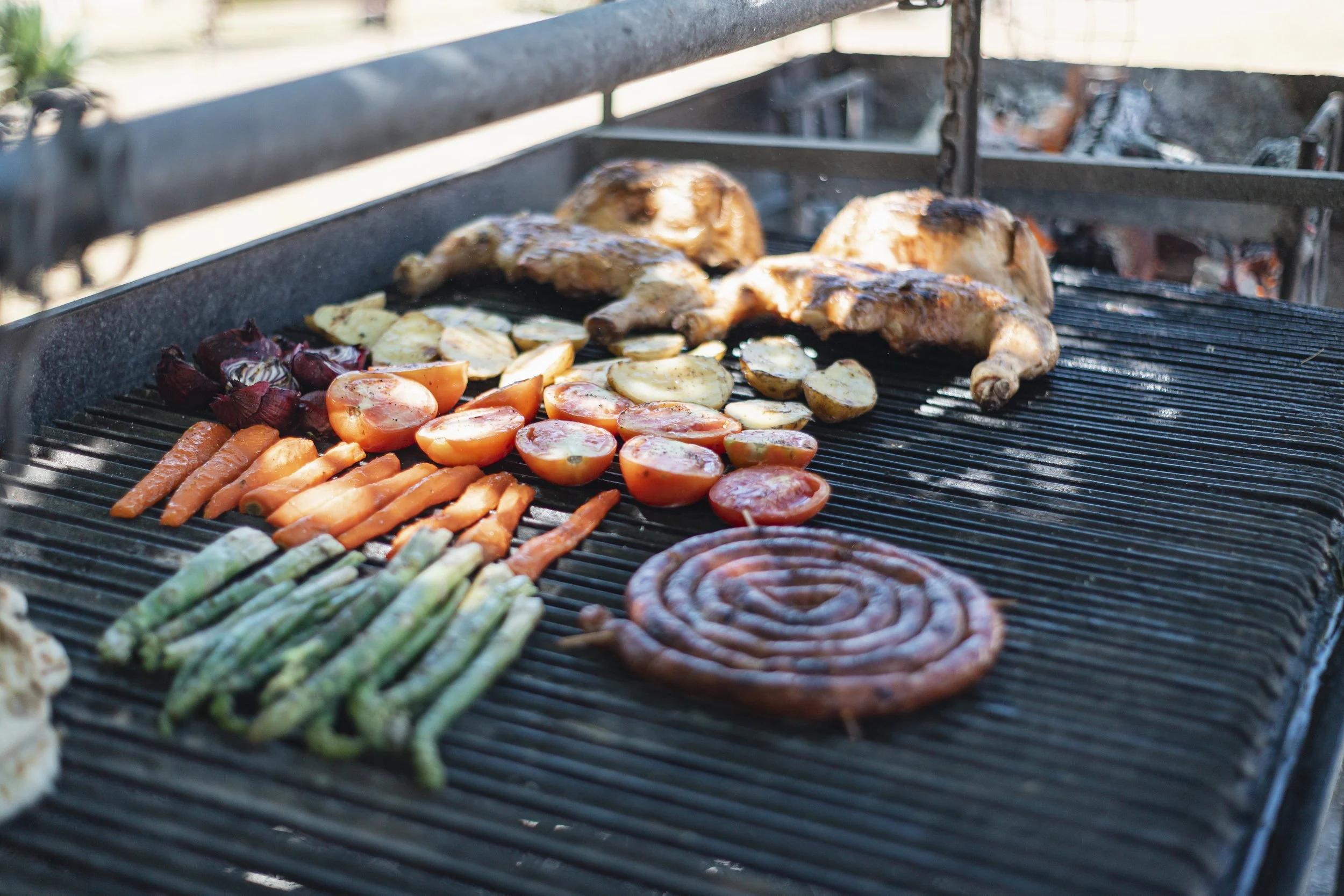
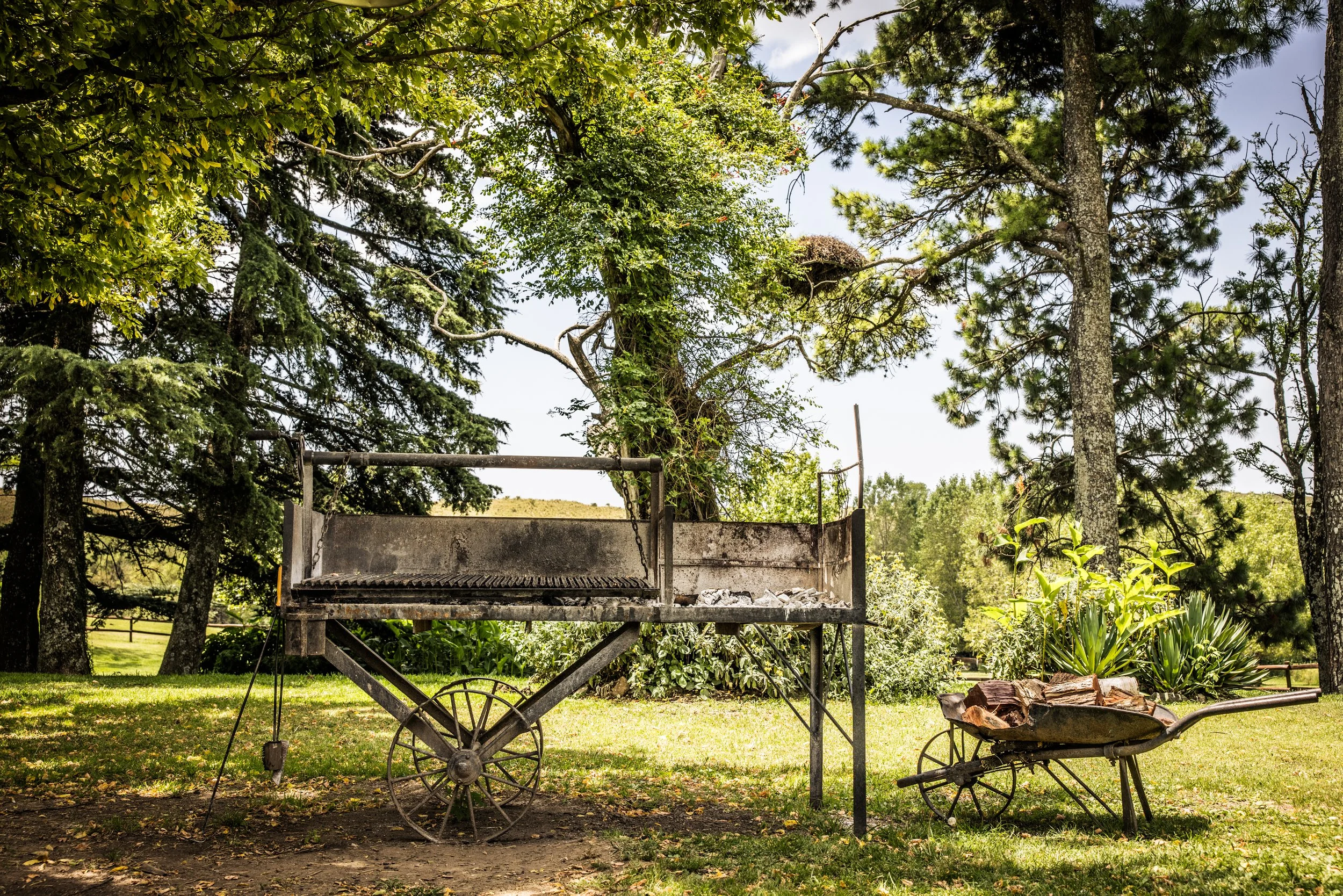
Unlike a simple barbecue, an asado is about patience. The fire is prepared with care, often using wood or charcoal rather than gas, and the meat is cooked slowly over glowing embers. There is no rushing it. The asador - the person in charge of the fire - takes on an almost ceremonial role, tending the grill with quiet authority and a deep sense of pride.
Beef, of course, is at the centre of it all. Argentina’s cattle culture makes this almost inevitable, and every cut has its place: ribs, vacío, entraña, chorizo, morcilla, and sometimes provoleta sizzling at the edges. Each arrives in its own time, never all at once, allowing the meal to unfold gradually, generously, and without formality.
But what makes the asado unforgettable is not only the food - it is the atmosphere. It is the way people gather around the grill before the meal even begins. It is the stories told between courses, the children running through the garden, the glasses of Malbec being refilled, and the understanding that the meal itself is only part of the occasion.
At an estancia, the asado carries even greater meaning. It reflects the relationship between the land, the cattle, and the people who care for both. It is a celebration of rural life and of the traditions passed quietly from one generation to the next. It is hospitality in its purest form.
Guests at Estancia Los Potreros often say their most memorable meals are the simplest ones: sitting outside, horses grazing nearby, the mountains turning gold in the late afternoon light, and a perfectly cooked asado shared at a long table.
There is something beautifully honest about it. No unnecessary ceremony, no complicated presentation just excellent ingredients, good company, and time.
Perhaps that is why the asado feels less like a meal and more like a way of understanding Argentina itself. It teaches patience, generosity, and the importance of gathering together.
It reminds us that some of life’s greatest luxuries are also the simplest: fire, food, friendship, and an open sky.