Generations of Gaucho Families at Los Potreros
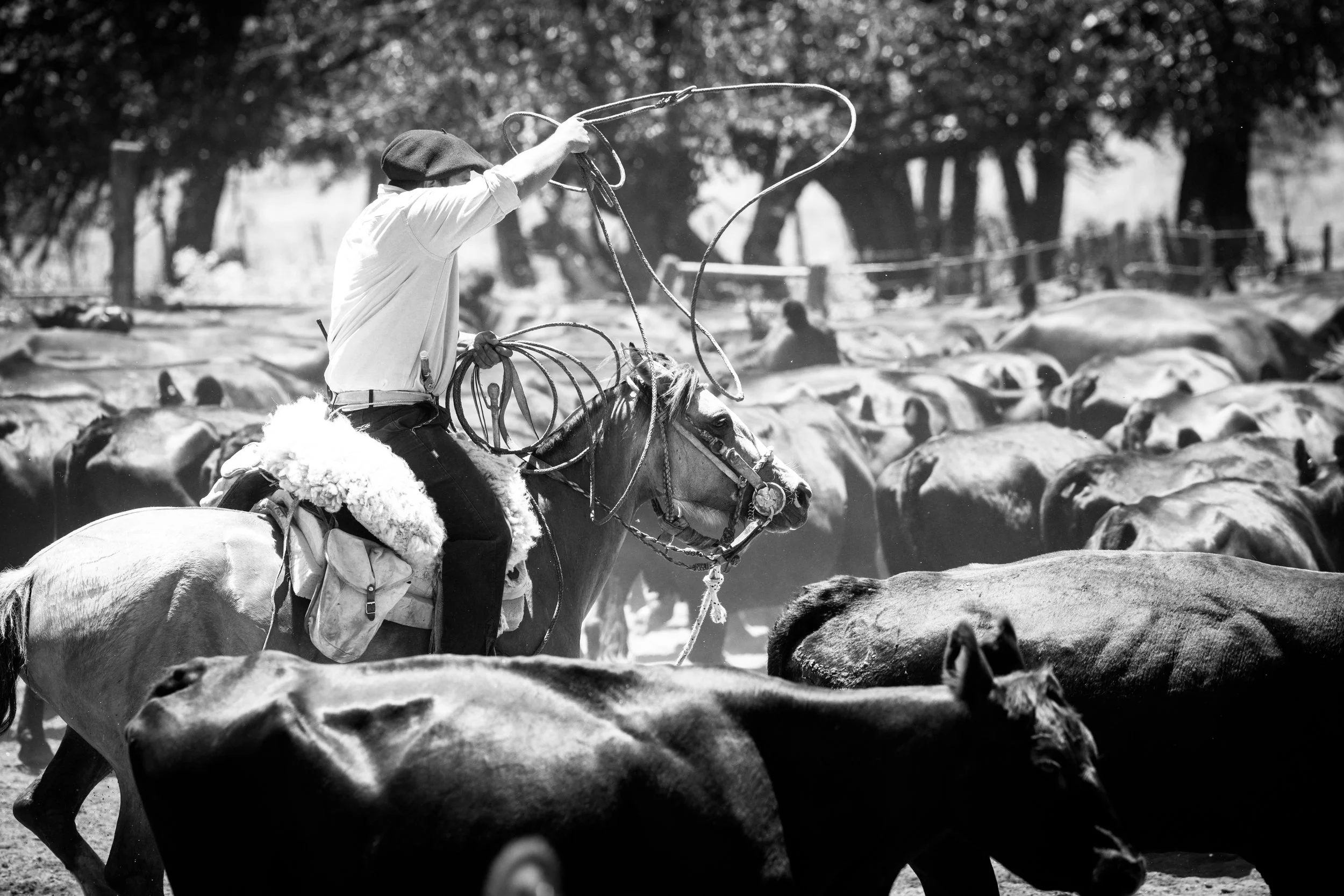
Across Argentina’s wide-open landscapes, the gaucho stands as one of the country’s most enduring cultural symbols. More than a romantic figure on horseback, the gaucho represents a way of life shaped by the land, defined by horsemanship, resilience, and a deep sense of belonging. At Estancia Los Potreros, this heritage isn’t preserved behind glass - it is lived every day.
The Gaucho: Heart of the SIERRAS CHICAS
The gaucho emerged in the 18th and 19th centuries as a skilled horseman and cattle worker, roaming the vast grasslands of Argentina. Fiercely independent yet deeply tied to community, gauchos developed a culture rich in tradition from their distinctive dress and music to their mastery of riding, cattle handling, and life outdoors. Over time, they became a symbol of national identity, embodying freedom, humility, and a profound respect for the land.
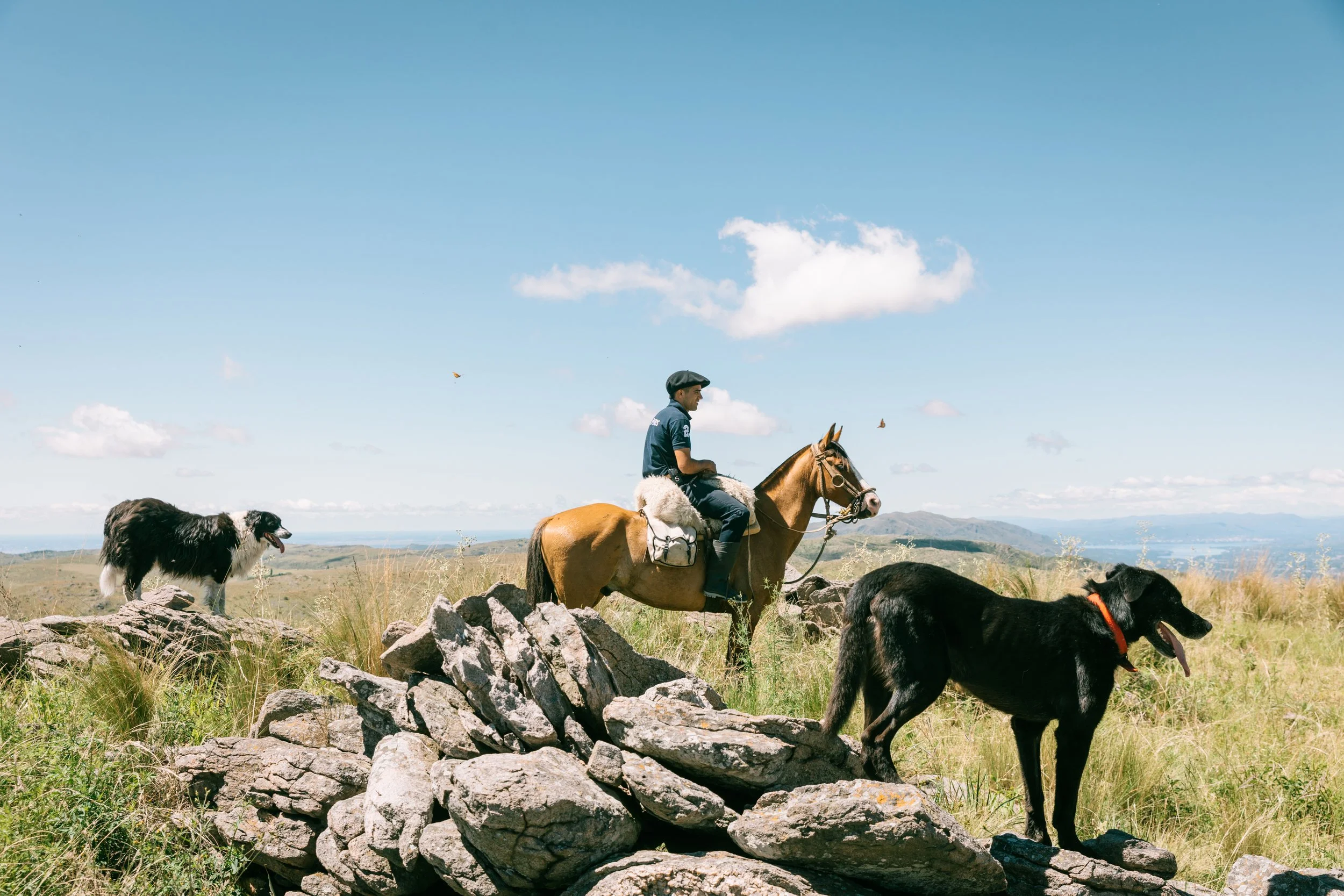
While much of gaucho culture has faded elsewhere, it continues to thrive in places where tradition remains inseparable from daily life. Set in the rolling hills of the Sierras Chicas of Córdoba, Los Potreros is not a recreated version of rural life it is a working estancia with a long and layered history. The land itself reflects centuries of agricultural use, from early Spanish and Jesuit farming systems to the modern ranch it is today.
The Begg family established their roots here in the early 20th century, building a home and livelihood centered on cattle, horses, and the rhythms of estancia life. Over generations, Los Potreros has grown into a place where history, hospitality, and tradition exist side by side.
Families Working Side by Side for Generations
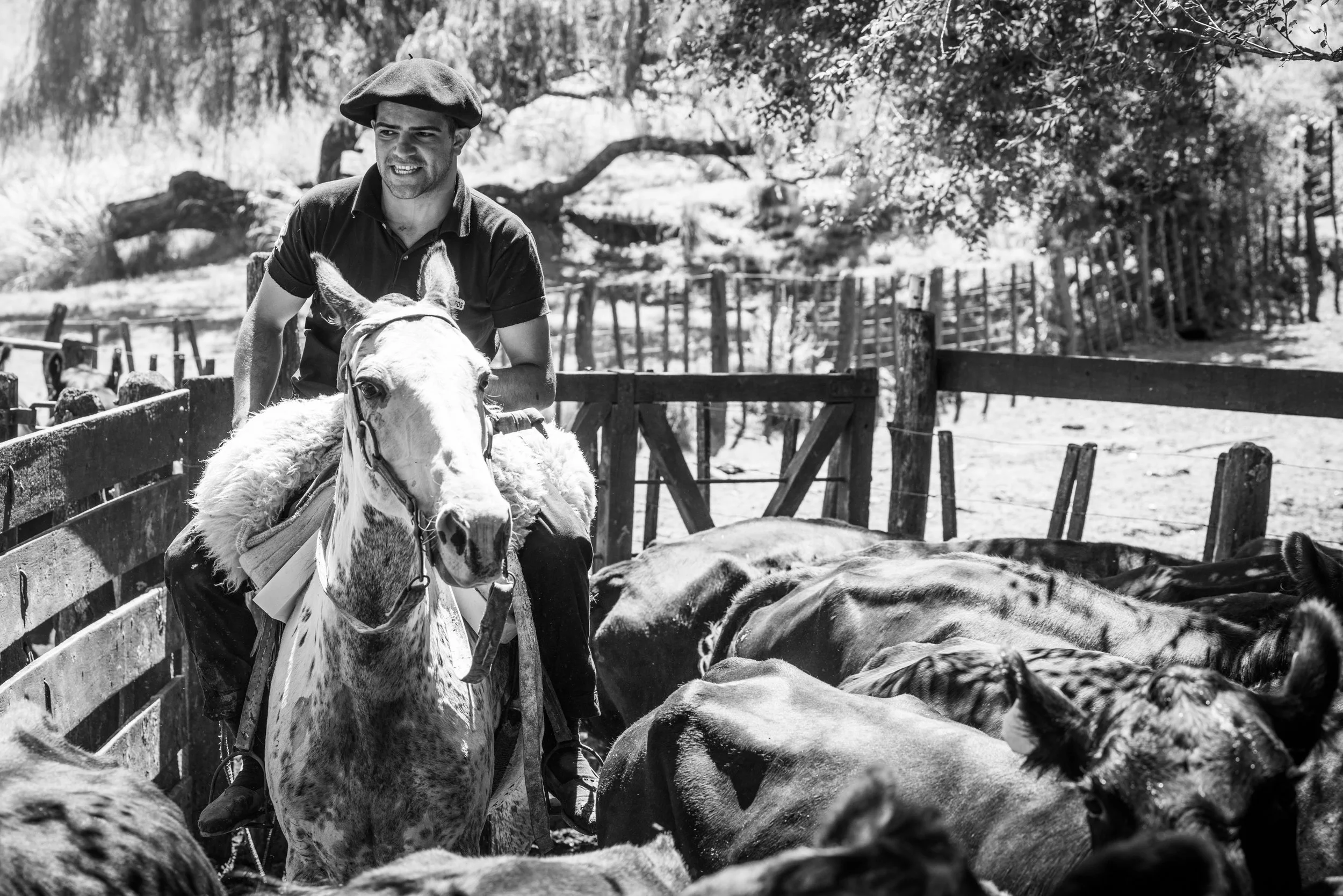
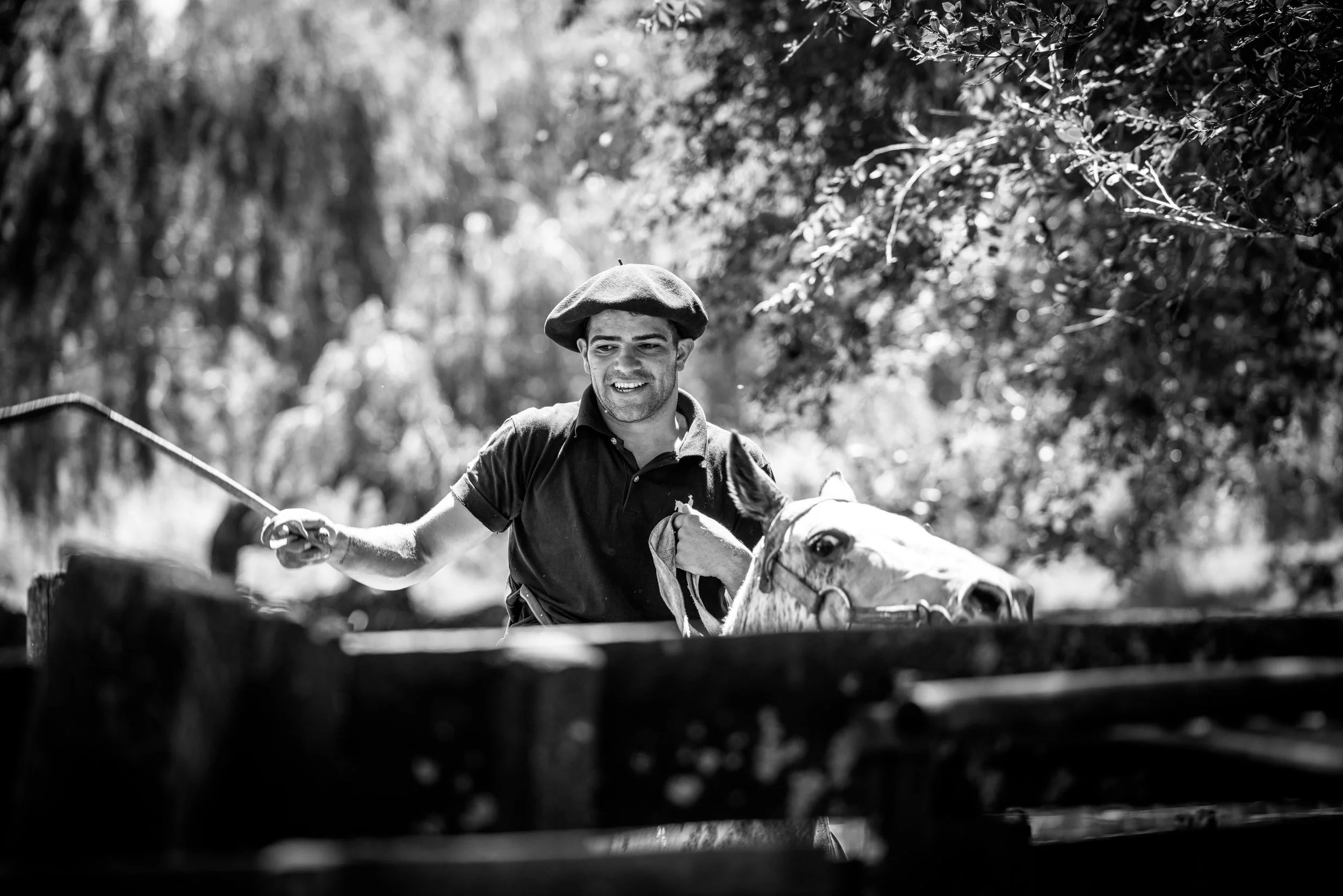
What truly sets Estancia Los Potreros apart is the enduring partnership between the Begg family and the gauchos who work the land. For generations, families have lived and worked alongside one another, passing down skills, stories, and knowledge that can only come from years spent on horseback and in the fields.
Many of today’s gauchos at Los Potreros are descendants of those who worked the estancia decades ago. Their expertise, caring for horses, managing cattle, and navigating the landscape, reflects not only technical skill but also an inherited understanding of the land’s character and needs.
This shared history has created a strong sense of community, built on trust, respect, and mutual responsibility. The relationship goes beyond employment; it is a collaboration rooted in shared values and a shared commitment to preserving a way of life.
Guests at Estancia Los Potreros don’t simply observe gaucho culture, they experience it firsthand. Riding alongside gauchos through open fields, learning traditional techniques, or sharing quiet moments over mate offers a genuine connection to Argentina’s rural heritage.
There is no performance here, no separation between daily work and cultural expression. What visitors encounter is real life on an estancia — shaped by generations of experience and sustained by people who continue to live and work as their predecessors did.
Preserving Tradition Through Continuity
In a rapidly changing world, Estancia Los Potreros stands as a reminder that cultural heritage survives best when it is lived, not staged. Through the long-standing relationship between the Begg family and the gauchos who call this land home, the traditions of the Argentine countryside remain strong, relevant, and deeply human.
The legacy of the gaucho endures here - not as a memory of the past, but as a living, breathing part of everyday life.